
Top 15 things to see and do on La Palma: Discover its natural beauty
La Palma, known as "La Isla Bonita", offers a variety of breathtaking landscapes and cultural activities. From its charming towns to its volcanic nature, there is much to discover. This article presents the 15 best things to see and do on La Palma. Exploring its natural beauty and cultural heritage is fundamental to enjoying an unforgettable experience on the island.
La Palma is an island that conquers with its authenticity and wild nature. Known as “La Isla Bonita”, this corner of the Canary archipelago dazzles with its laurel forests, volcanic landscapes, endless trails and starry skies that seem to be taken from another world. Unlike other more touristy islands, La Palma offers an intimate experience deeply connected to the land,
ideal for lovers of ecotourism, hiking and tranquility. From entering the Caldera de Taburiente to contemplate the universe from the Roque de los Muchachos, every corner of this island holds a natural and cultural treasure. In this guide we show you the 15 best things to see and do in La Palma so that you can experience all the charm of this Canary Island jewel to the fullest.
- Santa Cruz de La Palma
- 2. Sanctuary of Our Lady of the Snows
- 3. Caldera de Taburiente National Park.
- 4. Roque de los Muchachos
- 5. La Galga Cube
- 6. Bosque de los Tilos
- 7. Natural Pools of La Fajana and Charco Azul
- 8. Porís de Candelaria
- 9. Bonita Cave
- 10. Los Llanos de Aridane
- 11. Tazacorte
- 12. Tajogaite Volcano
- 13. Teneguía and San Antonio Volcanoes
- 14. Fuencaliente Salt Flats
- 15. Los Cancajos Beach
Santa Cruz de La Palma
Santa Cruz de La Palma, the capital of the island, is a place full of history and charm. This destination offers a perfect combination of culture, architecture and local life.
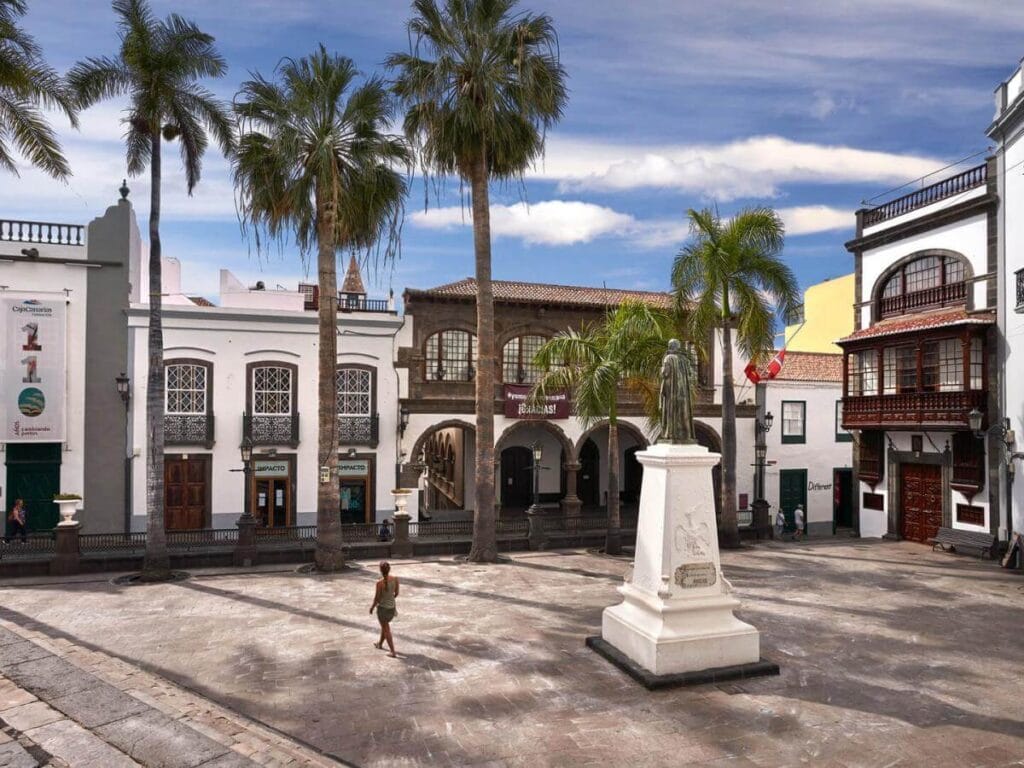
Discover its colonial architecture
The architecture of Santa Cruz de La Palma is a reflection of its rich history. The city is impregnated with Canarian-style buildings, characterized by their wooden balconies and colorful facades. Strolling through its cobblestone streets is like going back in time, where time seems to have stopped. The colonial houses and historic buildings, such as the City Hall and the Casa de la Cultura, are notable examples of this style. Every corner tells a story, making the tour visually appealing and culturally enriching.
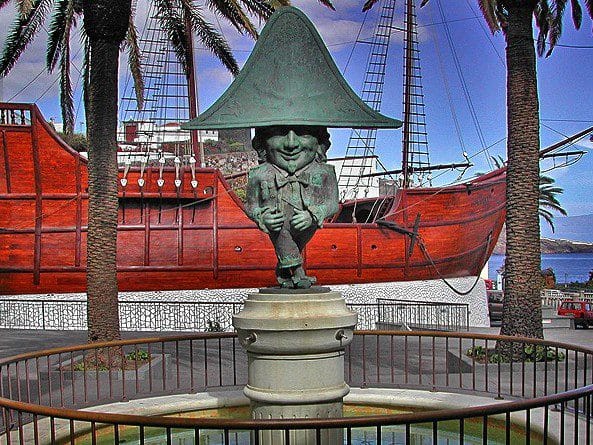
Must-see places: Dwarf Monument and Santa Catalina Castle
Among the outstanding landmarks of the city are the Dwarf Monument and the Castle of Santa Catalina. The Dwarf Monument has become a symbol of the city, recalling the peculiar story of the famous dwarf who lived on the island. On the other hand, the Castle of Santa Catalina, which dates back to the 16th century, offers breathtaking views and an interesting perspective on the defense of the island in times past. Both places are mandatory stops to better understand the local culture.
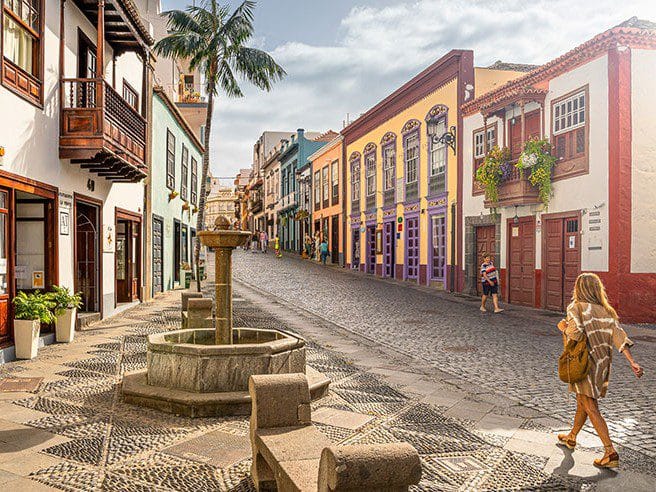
Free tour of Santa Cruz
For those interested in delving into the history and secrets of Santa Cruz, the free tour is an excellent option. These guided tours offer a unique view of the city, allowing you to discover not only the main tourist attractions, but also hidden corners that often go unnoticed. During the tour, the guides share fascinating anecdotes about the capital’s past, creating an immersive and educational experience. These tours also allow interaction with other visitors, enriching the trip with different perspectives.
2. Sanctuary of Our Lady of the Snows
This sanctuary is an emblematic place that reflects the devotion of the Palmeros and their rich cultural and religious history.
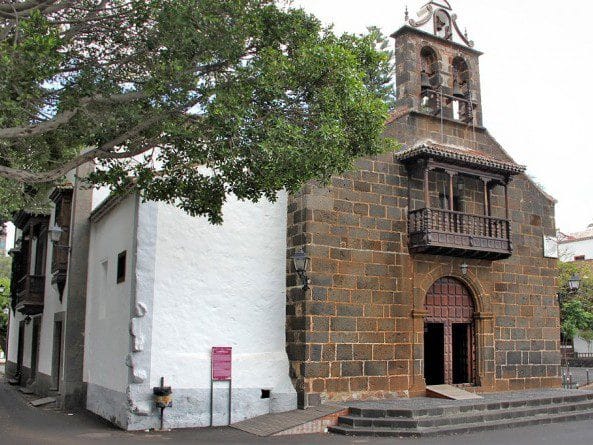
History and traditional Canarian architecture
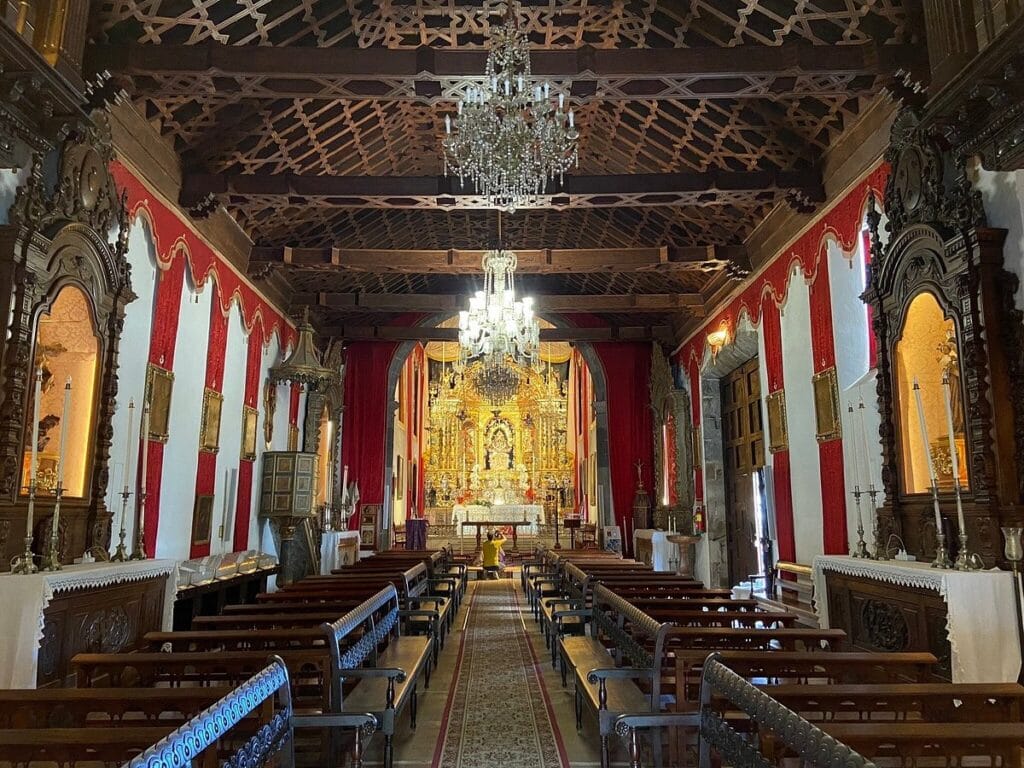
The Royal Sanctuary of Nuestra Señora de las Nieves, built in the 17th century, houses the image of the patron saint of La Palma. This building is a remarkable example of traditional Canarian architecture, combining baroque elements with local characteristics. Its structure stands out for the wooden beams and tiles that adorn its interior, creating a cozy and spiritual atmosphere. Over the years, it has undergone several restorations that have preserved its original beauty and significance.
Cultural and religious importance
The figure of Nuestra Señora de las Nieves is vital to the cultural identity of La Palma. The festivity in her honor, celebrated every August 5, attracts numerous faithful and visitors. During this date, processions and religious acts are carried out that reaffirm the community’s connection with its patron saint. The sanctuary is not only a place of recollection, but also a meeting point that promotes the social and cultural cohesion of the people. This devotion has endured over the centuries, consolidating the relevance of the sanctuary in the history of the island.
3. Caldera de Taburiente National Park.
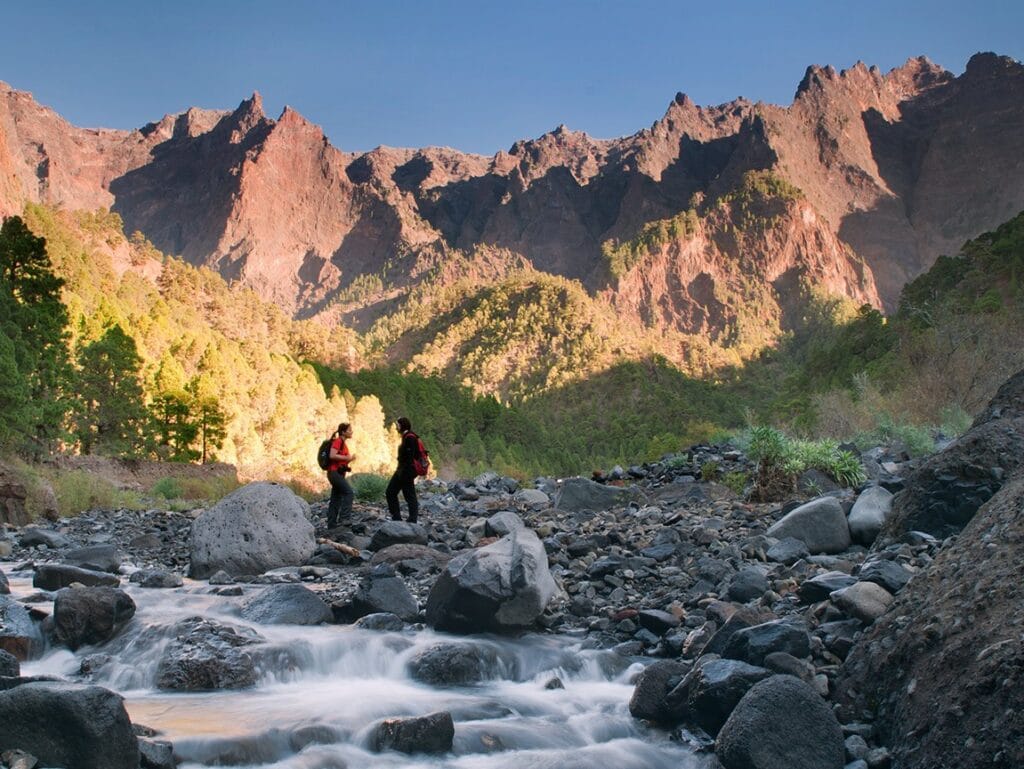
This national park is one of the most outstanding natural areas of La Palma. With its impressive biodiversity and volcanic landscapes, it captivates those seeking to connect with nature.
Hiking and nature trails
The Caldera de Taburiente National Park offers a variety of hiking trails. These activities are perfect for exploring the natural environment and enjoying the native flora and fauna. Some of the most outstanding routes include:
- La Cumbrecita Trail: Provides panoramic views of the caldera.
- Barranco de las Angustias Route: Ideal for adventure lovers.
- Walk through the interior of the Caldera: Appreciate the biodiversity and tranquility of the place.
La Cumbrecita viewpoint
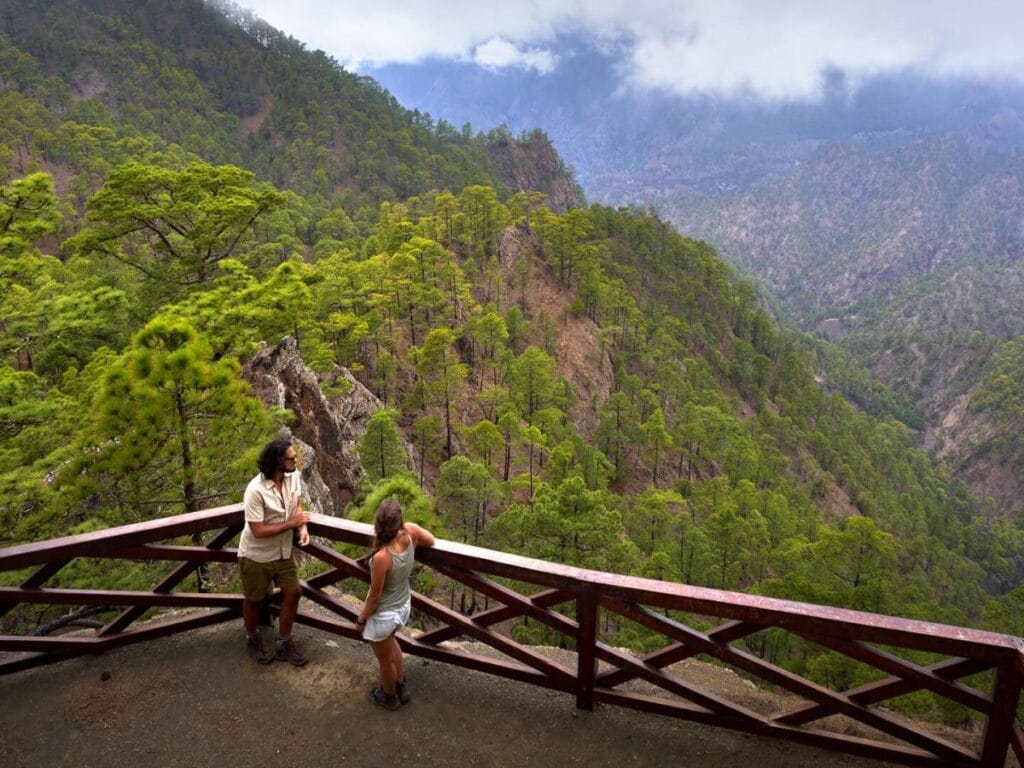
A highlight within the park is the Mirador de la Cumbrecita. This viewpoint offers spectacular views of the valleys and ravines that make up the unique landscape of the caldera. From here, it is possible to observe the grandeur of the volcanic nature of the island and the richness of the natural environment.
The views from this viewpoint are especially impressive at sunset, when the colors of the sky are reflected in the surrounding landscape. This space is perfect for photography and contemplation.
4. Roque de los Muchachos
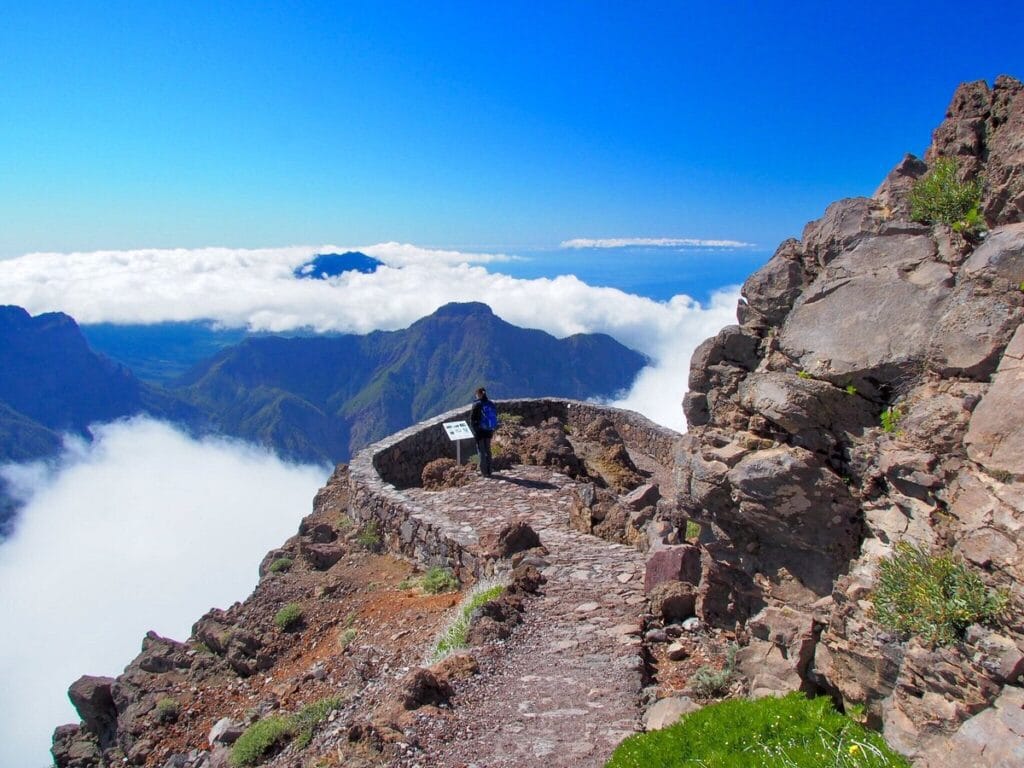
Rising to 2,428 meters, the Roque de los Muchachos is the highest point of La Palma and one of the most emblematic places of the island.
The highest point of the island
From its summit, you can enjoy breathtaking panoramic views that encompass the entire island and its surroundings. Access to this summit requires some effort, but the reward is incomparable. This place is known for its spectacular scenery, where lush vegetation and steep cliffs combine. It is an ideal destination for hiking lovers, who will find different routes that will lead them to enjoy the natural beauty.
Outstanding features
- Height: 2,428 meters above sea level.
- Views: Other peaks of La Palma and landscapes of Tenerife.
- Fauna and flora: Varied ecosystems that harbor species unique to the island.

Stargazing
This place is not only famous for its altitude, but also for being one of the best astronomical observation points in Europe. The quality of the sky, free of light pollution, makes it a privileged place for amateur and professional astronomers. There are observation facilities, and several telescopes are located in the area, allowing for a unique experience of exploring the universe.
Related activities
- Guided tours at observatories: Opportunities to learn about astronomy.
- Astrotourism: Experiences designed to enjoy the stars.
- Night photography: Capture the breathtaking views of the firmament.
5. La Galga Cube
El Cubo de La Galga is an exceptional natural site in La Palma, known for its spectacular vegetation and diverse landscapes. This place is ideal to enjoy the tranquility and natural splendor that the island offers.
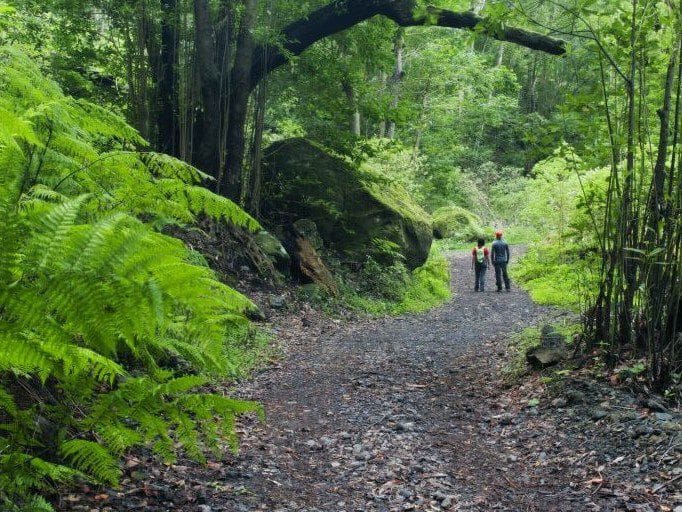
Enchanted Forest of the Cube
In this forest, the laurel forest creates a unique environment that feels almost magical. As you walk among the trees, sunlight filters through the dense foliage, creating a captivating visual spectacle. The shadows and gentle breeze bring an air of mystery and serenity.
Among the characteristics of the Bosque de La Galga, we can find:
- Well-marked hiking trails.
- Lush vegetation including ferns and ancient trees.
- An ideal environment for bird watching, such as the chaffinch or the blackbird.
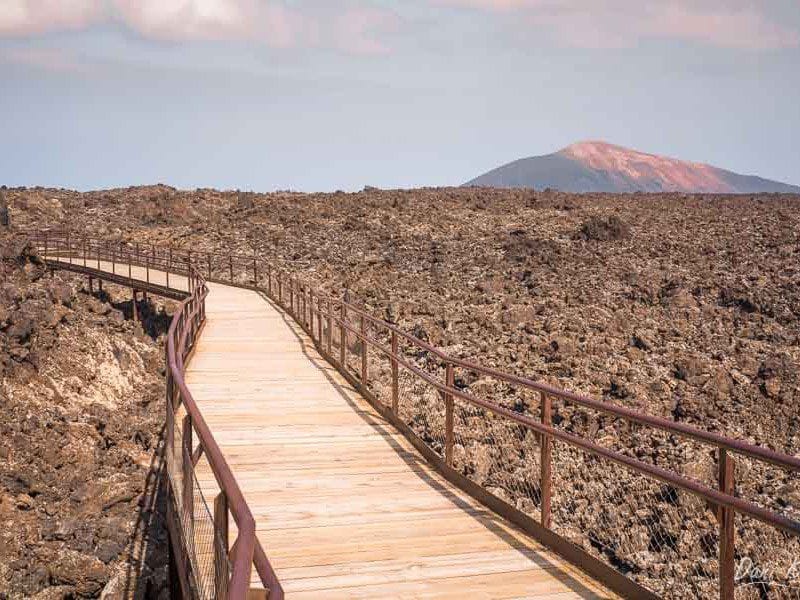
Local flora and fauna
The biodiversity of Cubo de La Galga is impressive. The vegetation is predominantly laurel forest, an ecosystem considered a World Heritage Site. This type of forest is home to endemic species found nowhere else in the world.
Among the notable flora, the following examples stand out:
- Faya (Morella faya), a characteristic tree of the laurel forest.
- Viburnum tinus (Viburnum tinus), which flowers in the warmer months.
- Heather (Erica arborea), common in subarboreal vegetation.
The fauna is also rich and varied. It is possible to observe:
- Several species of birds that inhabit and cross the forest.
- Endemic insects that play a crucial role in the local ecosystem.
- Small mammals, such as the Canary Island shrew.
6. Bosque de los Tilos
The Bosque de los Tilos is an exceptional natural site in the north of La Palma, which stands out for its ecological richness and landscapes that invite exploration. This place is ideal to enjoy nature and the pure air of the island.
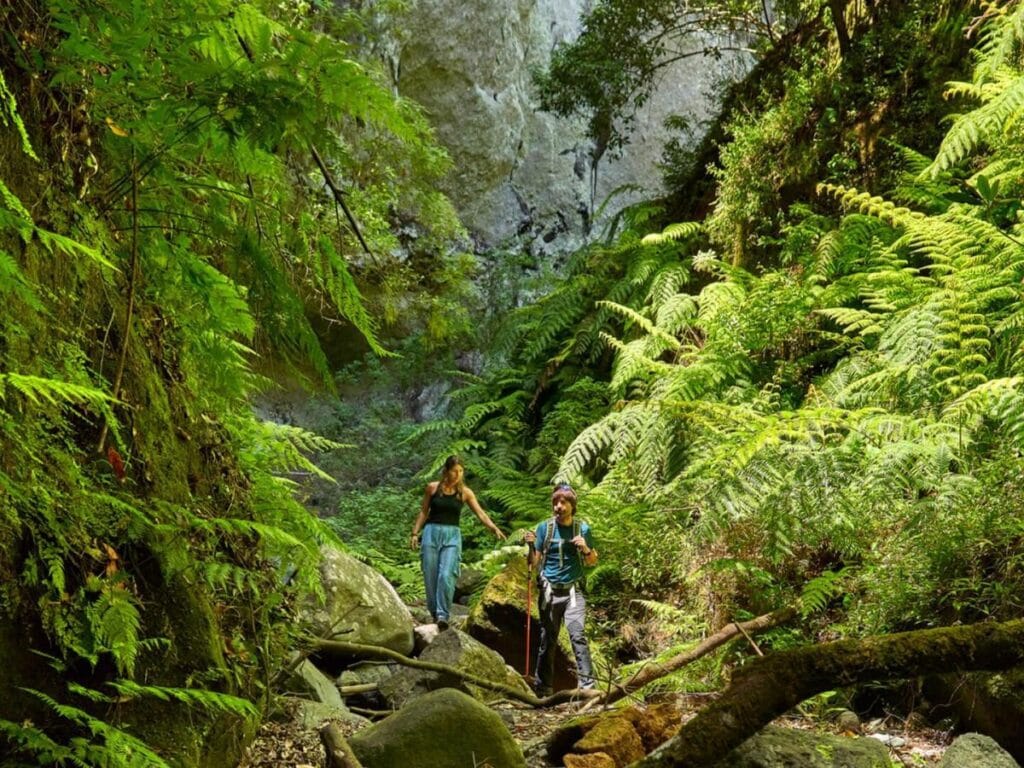
World Heritage Site
Recognized as a World Heritage Site by UNESCO, the Bosque de los Tilos is part of the Biosphere Reserve of La Palma. This laurel forest ecosystem is one of the most representative of the Macaronesia and is home to a unique flora and fauna. Its conservation is due to its biodiversity, where endemic species that can only be found in this environment stand out.
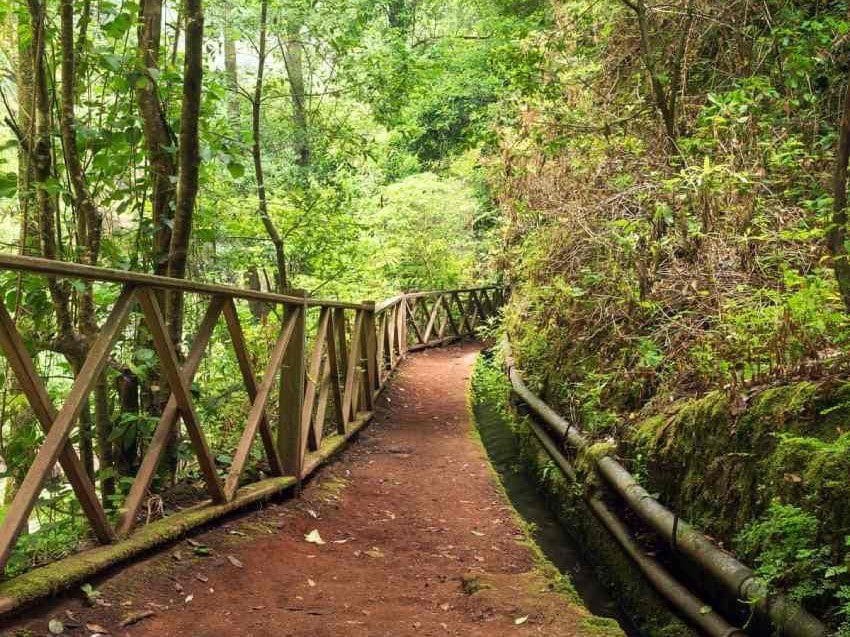
Experience in laurel forest
Walking through the forest trails allows you to experience the magic of the laurel forest. The trees stand majestically, creating a green canopy that filters the sunlight. This cool, moist environment is home to a wide variety of plant and animal species, making every visit an opportunity to observe wildlife.
- Laurisilva: an endangered ecosystem that has adapted to the island’s climatic conditions.
- Flora: includes species such as laurel, linden and fayal, among others.
- Fauna: endemic birds such as the blue chaffinch and the rabiche pigeon are just some of the inhabitants of the forest.
7. Natural Pools of La Fajana and Charco Azul
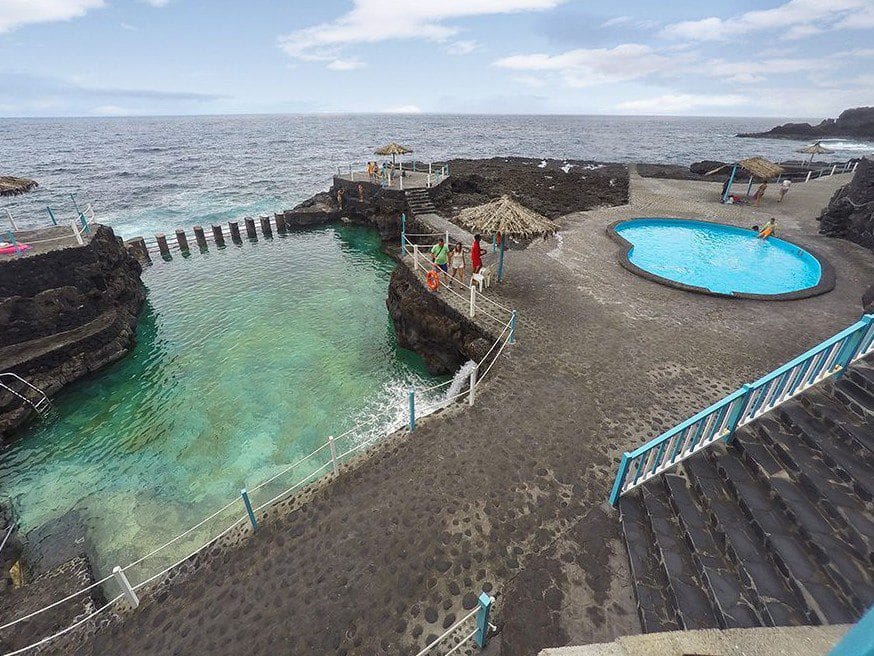
The Natural Pools of La Fajana and Charco Azul are perfect to enjoy a swim in a natural environment. These bathing areas offer a quiet and safe environment, ideal for relaxing at the edge of the ocean.
Safe and quiet bathing areas
The Natural Pools of La Fajana and Charco Azul stand out for their accessibility and safety, allowing a carefree enjoyment. They are perfect places for those who are looking for a moment of relaxation as well as for families with children.
- The waters are clear and calm, thanks to its natural formation between volcanic rocks.
- Surveillance in these areas provides a sense of security for visitors.
- There are designated areas for swimming and others for sunbathing, creating a suitable environment for everyone.
Natural scenic beauty
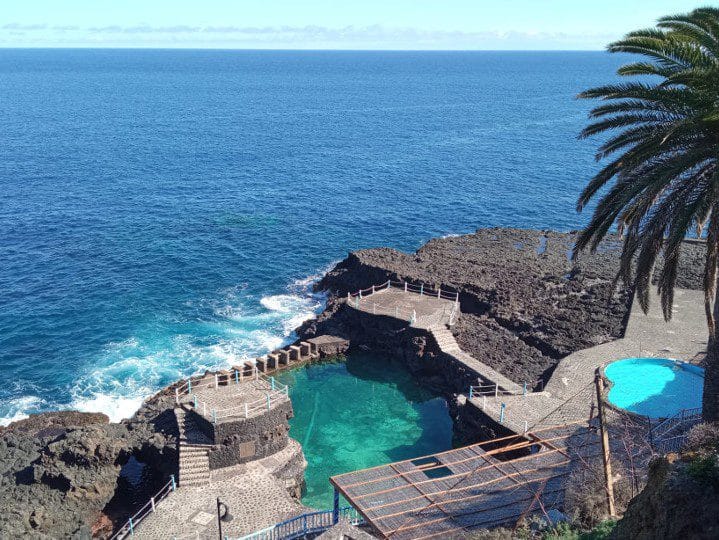
The environment surrounding these pools is spectacular. The combination of the rocky coastline and the blue ocean creates stunning views that appeal to photography and nature lovers.
- The cliffs bordering these pools offer breathtaking panoramic views.
- The rock formations and native vegetation add a touch of natural beauty that enriches the visitors’ experience.
- The contrast between the clear waters and the volcanic landscape is simply unforgettable.
The tranquility of these places allows you to disconnect from the daily hustle and bustle and enjoy the sounds of nature. The gentle currents and the sea breeze make this an ideal place for a day of relaxation and well-being.
8. Porís de Candelaria
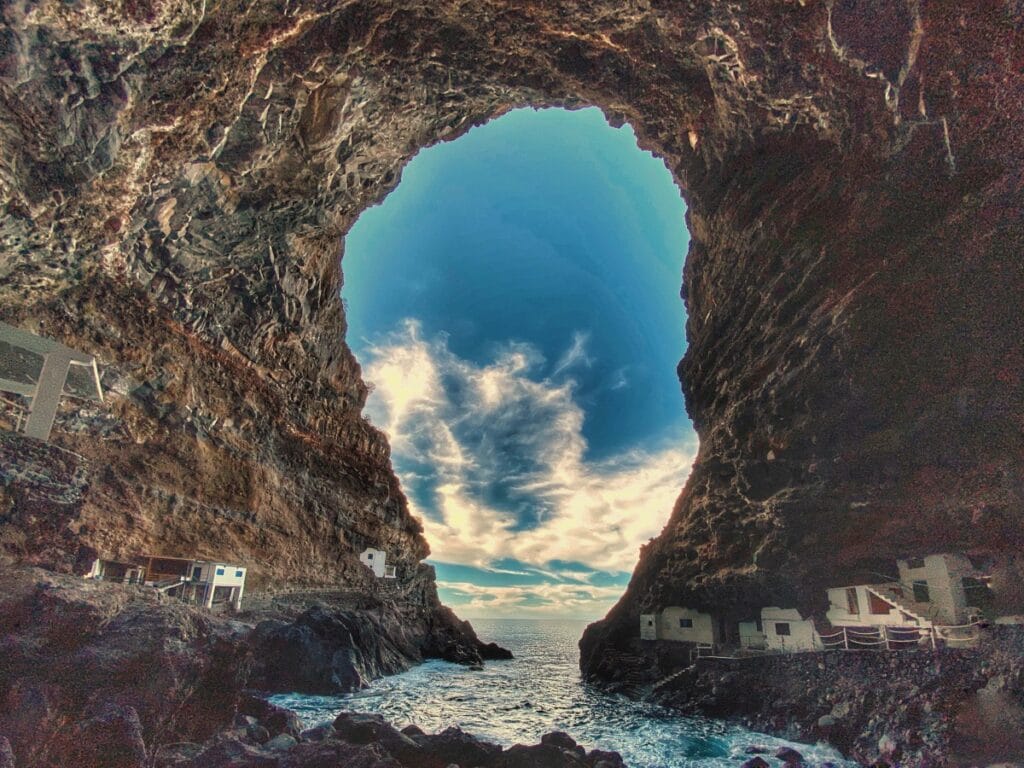
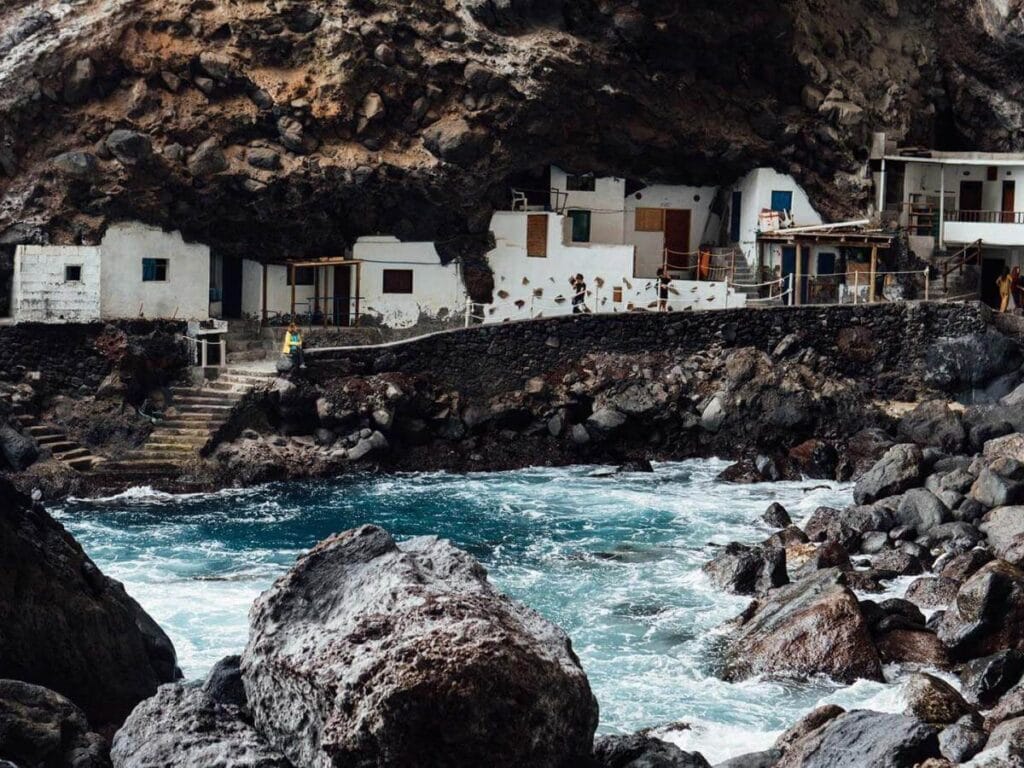
This charming corner of La Palma, once a fishing port, stands out for its natural beauty and peaceful atmosphere. It is a perfect place to disconnect and enjoy the authenticity of the island.
History and traditions of the old fishing port
Porís de Candelaria has a rich history dating back to its origins as a fishing port. This small enclave was vital for the local community, given that its strategic location facilitated fishing activity. The traditions that have endured over the years are testimony to the importance of the sea for its inhabitants.
The local festivities, in honor of the patron saint, attract visitors who wish to experience Canary Island culture at its best. During these celebrations, traditional dances, autochthonous music and typical dishes that evoke the influence of the sea in the local gastronomy can be observed.
Local gastronomy
The gastronomy of Porís de Candelaria is an attraction that cannot be overlooked. The restaurants in the area specialize in offering fresh and typical dishes of the region, where fish is the protagonist. Here are some of the most emblematic delicacies:
- Fresh fish: The quality of fish in the area is exceptional, with options that include sardines, snappers and other seafood.
- Gofio: This traditional Canarian food is made from toasted cereals and is a common accompaniment to various local dishes.
- Mojo: Mojo sauces, both red and green, are essential in the local gastronomy, used to accompany meat and fish.
9. Bonita Cave
This fascinating natural space is known for its impressive volcanic formations and its unique beauty. Cueva Bonita becomes a place of interest for those seeking to explore the more mysterious side of La Palma.
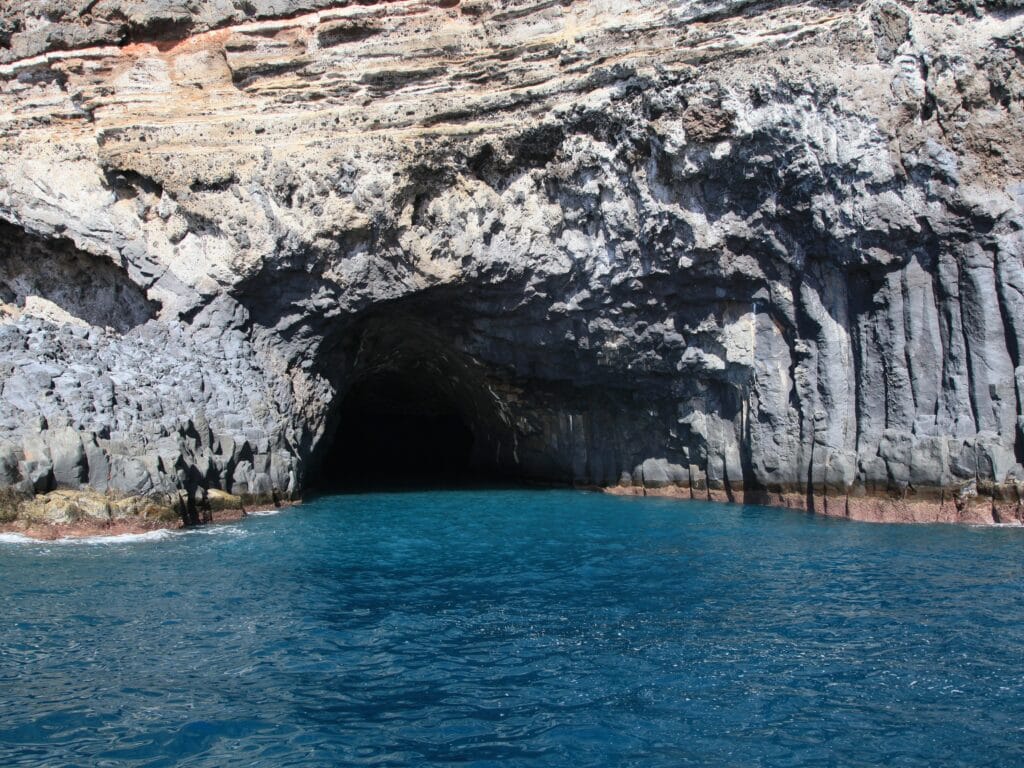
Geology and volcanic formations
Cueva Bonita is characterized by its exciting geology, the result of the island’s volcanic activity. The internal formations present a variety of structures that show the geological history of La Palma. They can be observed:
- Stalactites and stalagmites that have been shaped over thousands of years.
- Mineral-covered walls, revealing the diversity of elements that have accumulated inside.
- Open spaces that allow to appreciate the natural light, delicately illuminating the formations.
These characteristics make the cave a place of great interest from a geological point of view, both for scientists and for curious visitors.
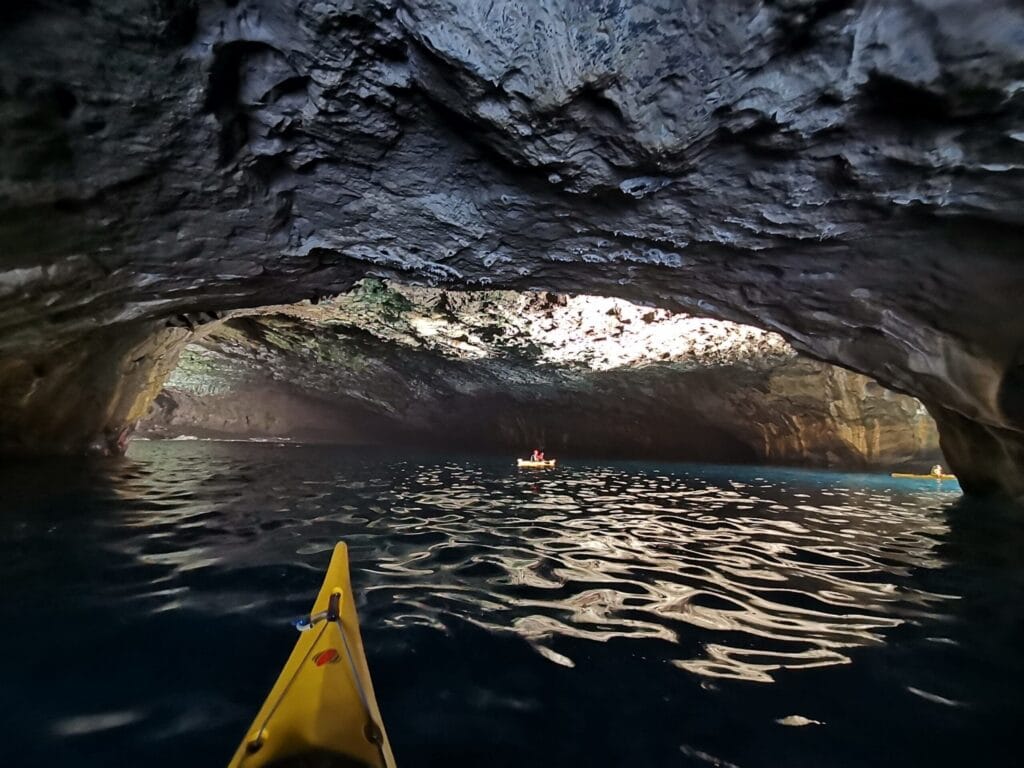
Educational guided tours
Guided tours of Cueva Bonita offer a unique opportunity to learn about the importance of the cave in the geological and cultural context of La Palma. Expert guides provide valuable information about:
- The history of its formation and the geological process that has shaped it.
- The flora and fauna that can be found nearby.
- The conservation of the environment and its relevance to the island’s biodiversity.
The tours are interactive and designed for all ages, ensuring that every visitor takes away a new perspective on the natural history of La Palma. The experience is not only educational, but also inspiring, allowing you to connect with nature in a profound way.
10. Los Llanos de Aridane
Los Llanos de Aridane is a charming municipality that stands out for its rich cultural life and traditions. This place offers a vibrant atmosphere, ideal to immerse yourself in the heart of La Palma.
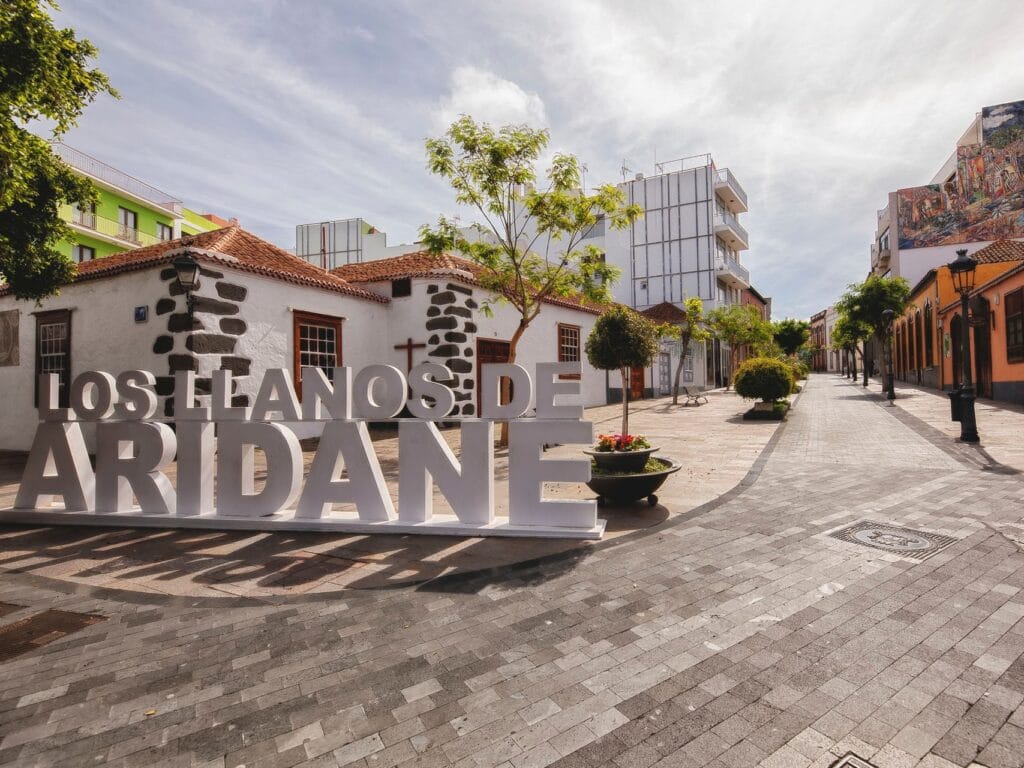
Culture and local festivities
The cultural life of Los Llanos de Aridane is manifested in its numerous festivities throughout the year. Among the most outstanding are:
- Fiesta de la Cruz: Celebrated in May, this festivity embellishes the streets with decorated crosses and community events.
- Fiestas Lustrales de Nuestra Señora de las Nieves: Held every five years, these festivities attract thousands of visitors with religious activities, music and dances.
- Contemporary Music Festival: An event that brings together local and international artists, promoting musical culture on the island.
The traditions of the Canary Islands can be appreciated in every corner, whether in the typical clothing, the folk music or the dances that accompany their festivities. This dynamic environment reflects the welcoming and festive character of its inhabitants.
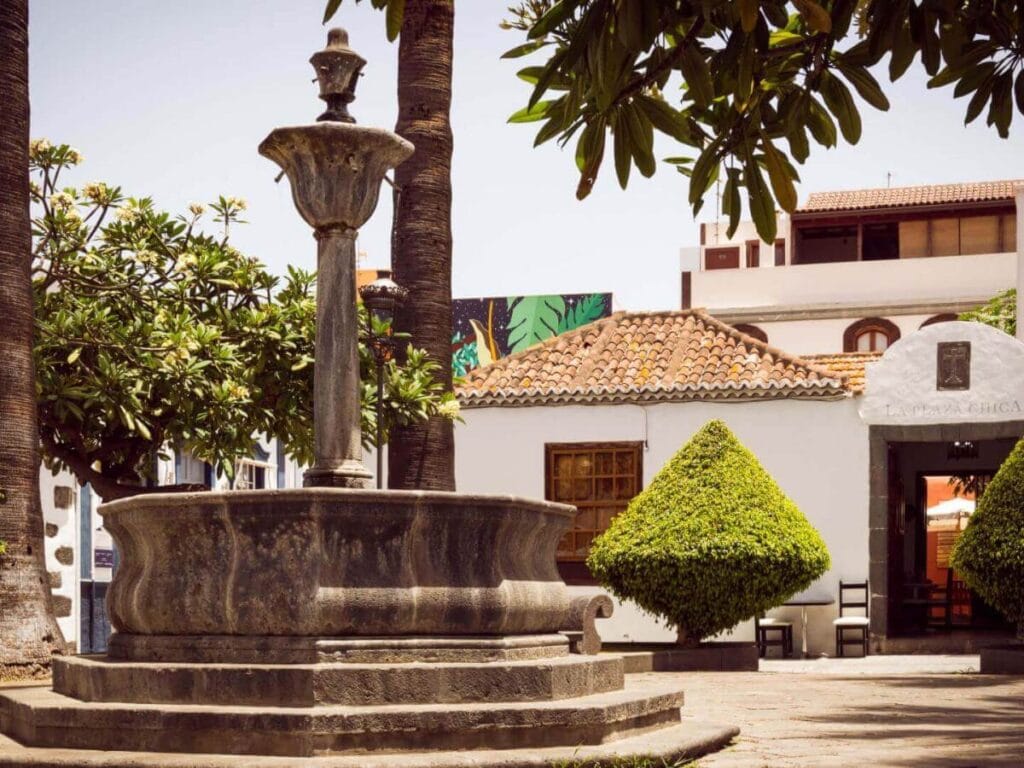
Gastronomy and local life
The gastronomy in Los Llanos de Aridane is another of its great attractions. The autochthonous flavors can be tasted in numerous restaurants and bars that offer local dishes. Some of the most representative dishes are:
- Papas arrugadas con mojo: A Canarian classic that satisfies all palates.
- Gofio: A staple food in the local diet, prepared in various ways.
- Fresh fish: From the nearby port, they are an indispensable delicacy.
Local life is characterized by a friendly atmosphere. The streets are lined with markets where fresh produce and artisanal products are the protagonists, reflecting the essence of agriculture on the island. The interaction between visitors and residents in this environment makes for an authentic and enriching experience.
11. Tazacorte
Tazacorte is known as the sunniest municipality of La Palma. This picturesque enclave offers breathtaking landscapes, relaxing beaches and a vibrant fishing port, making it an ideal destination to enjoy the sea and nature.
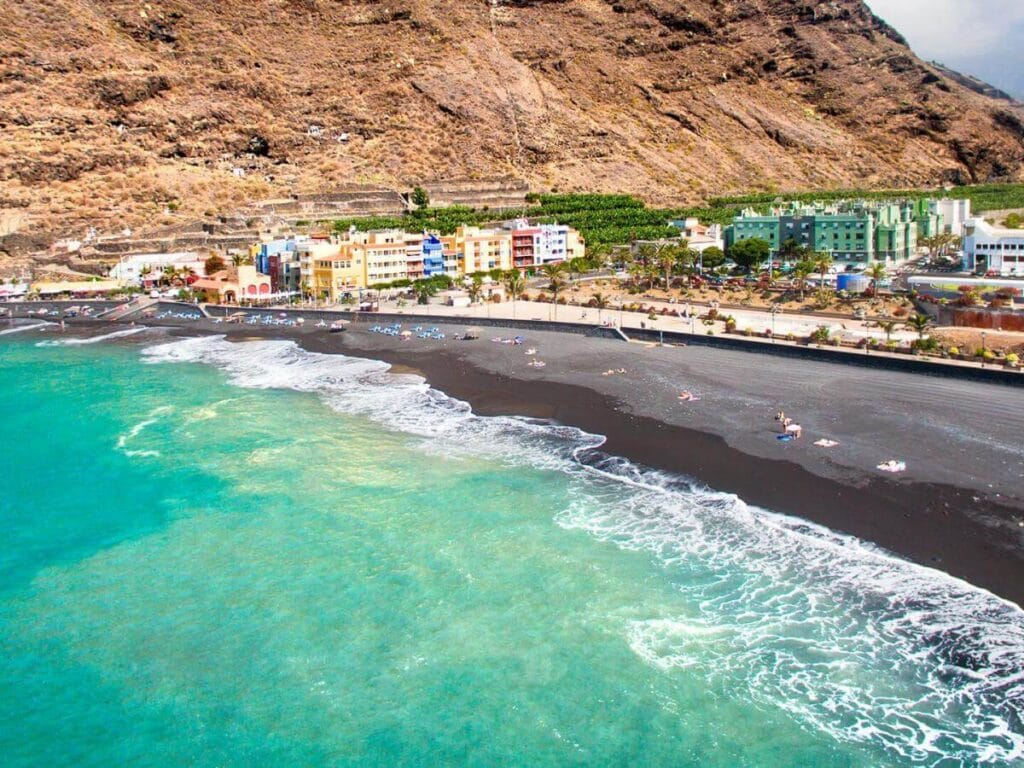
Black sand beaches and fishing port
The beaches of Tazacorte are famous for their characteristic black sand, the result of the volcanic activity of the island. This type of sand provides a unique and attractive environment for visitors. The main beaches include:
- Playa de Tazacorte: Wide and with calm waters, perfect for families.
- Playa de Los Tarajales: Quieter and surrounded by nature.
Along the harbor, you can enjoy a vibrant atmosphere, where local fishermen offer their daily catch. This fishing port is ideal for relaxing walks and to observe the activity of traditional boats. The combination of sea and nature creates a perfect setting for photographs and moments of disconnection.
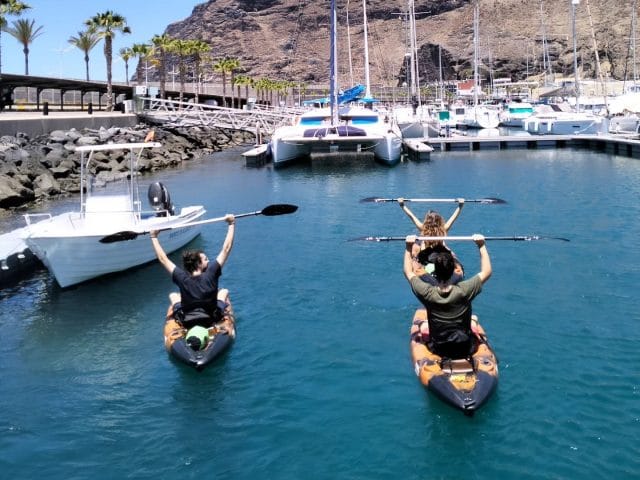
Water activities and snorkeling
The location of Tazacorte, with its crystal clear waters and diverse marine fauna, makes the area an ideal place to practice various water activities. Among the options available are:
- Snorkeling: The waters of Tazacorte are perfect for exploring the seabed and observing a variety of species.
- Diving: Through local diving centers, excursions can be made to the best dive sites along the coast.
- Kayak tours: A different way to discover the coast and enjoy the natural beauty of the island.
Water activities in Tazacorte allow not only to enjoy the sun, but also to connect with the abundant marine life in the area. It is an ideal experience for sea and adventure lovers.
12. Tajogaite Volcano
This volcano, which erupted in 2021, has marked an important chapter in the recent history of La Palma. The consequences of this volcanic activity are visible in the landscape, offering a unique opportunity to learn about the impact of nature.
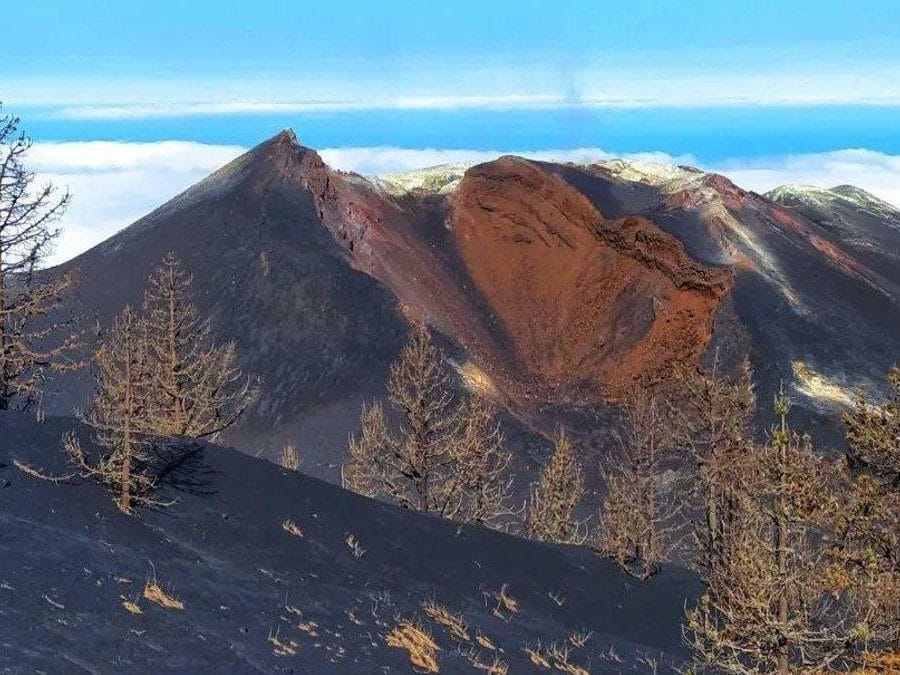
Traces of the 2021 eruption
The eruption of the Tajogaite Volcano was a natural phenomenon of great magnitude. The lava and ashes emanated during the episode have left palpable evidence in the local geography. Among the most notable traces are:
- Lava formations that have created new reliefs in the terrain.
- Areas covered by ashes, which have completely transformed the previous landscape.
- Destruction of infrastructure and changes in land use that have affected the lives of the area’s inhabitants.
These markers are a reminder of the power of nature, and have become a tourist attraction, offering a space for reflection on the island’s volcanic activity.
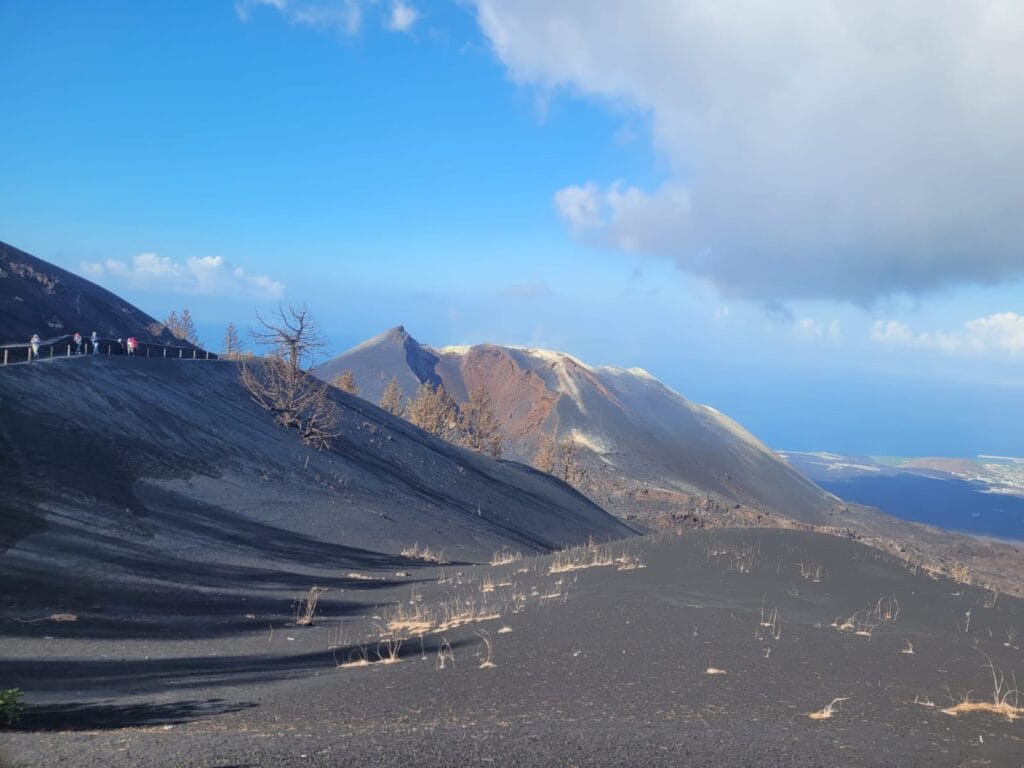
Impact on landscape and nature
The eruption has had a significant effect on the local ecosystem. Soil enriched with lava minerals is beginning to regenerate the flora of the area. Some of the observed effects include:
- The growth of new plants in previously desert terrain.
- A habitat transformation that has impacted local fauna, promoting biodiversity.
- The creation of new areas of interest for nature observation.
The Tajogaite Volcano, thanks to these changes, has become a natural laboratory where the resilience of ecosystems after a volcanic event can be studied. This process has generated renewed interest in scientific research and responsible tourism. Every visit to this area is an opportunity to appreciate how life regenerates after devastation.
13. Teneguía and San Antonio Volcanoes
The Teneguía and San Antonio Volcanoes offer a journey through the active geology of La Palma. These volcanic formations reflect the rich geological history of the island and bear witness to the volcanic activity that has shaped its landscape.
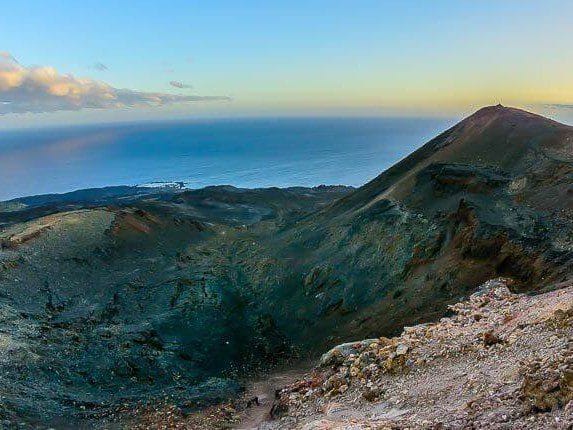
Volcanic and geological exploration
A visit to the Teneguía and San Antonio volcanoes allows visitors to explore the remains of recent eruptions and better understand how these formations have influenced the natural environment. Visitors can observe the solidified lava and its unique features, which provide an impressive geology lesson. The hiking trails leading to these volcanoes are well marked, making them easily accessible to nature and adventure lovers.
Highlights include the following features:
- 1971 eruption in Teneguía, which transformed part of the landscape.
- Areas of lava with distinctive textures that tell the story of its formation.
- Routes that allow to observe the flora and fauna adapted to this volcanic environment.
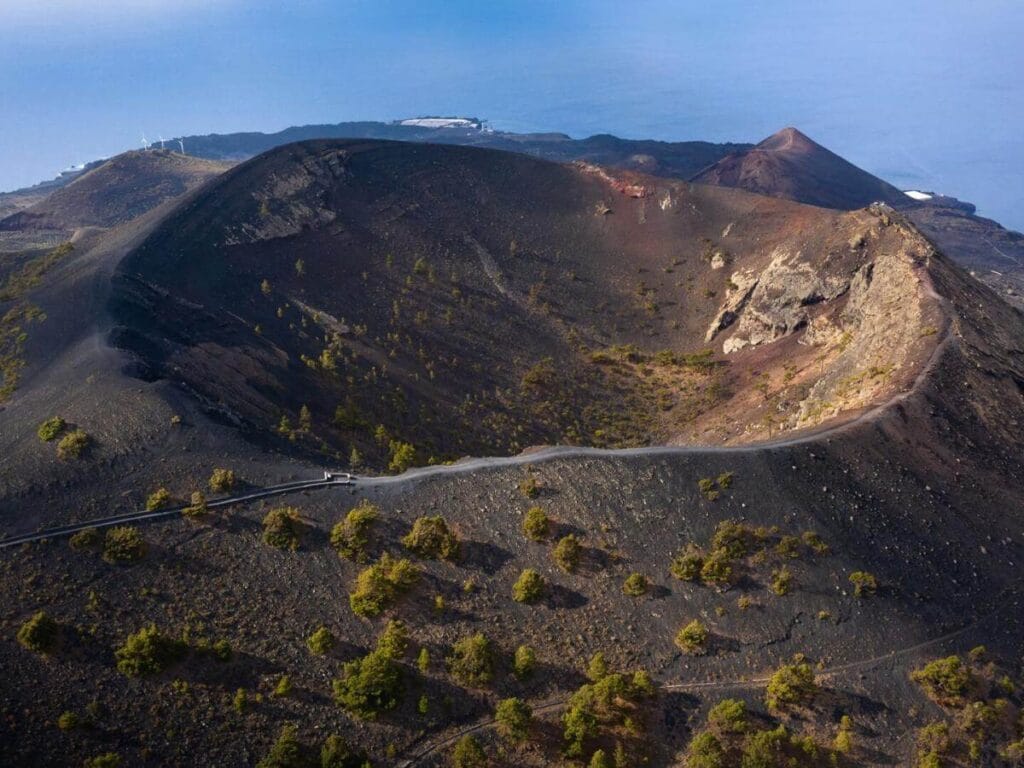
Panoramic views
The summits of these volcanoes offer spectacular views. From the top, the vast ocean can be appreciated, as well as the contours of the island and its geographical features. The panoramic view allows you to capture the beauty of the landscapes formed by the eruption, as well as the contrast between the arid areas and the greenery.
Some points of interest in the views include:
- The coast of La Palma, with its impressive cliffs.
- The nearby towns and their agricultural fields.
- Volcanic formations in other areas of the island.
The experience of being at the Teneguía and San Antonio Volcano combines nature, education and an environment of incomparable beauty, making it an outstanding place for those seeking to understand more about the terrestrial dynamics of La Palma.
14. Fuencaliente Salt Flats
The Fuencaliente Salt Flats are an impressive example of the interaction between nature and human activity, located in the south of La Palma. These salt flats offer a fascinating insight into the traditional process of salt production in a spectacular setting.
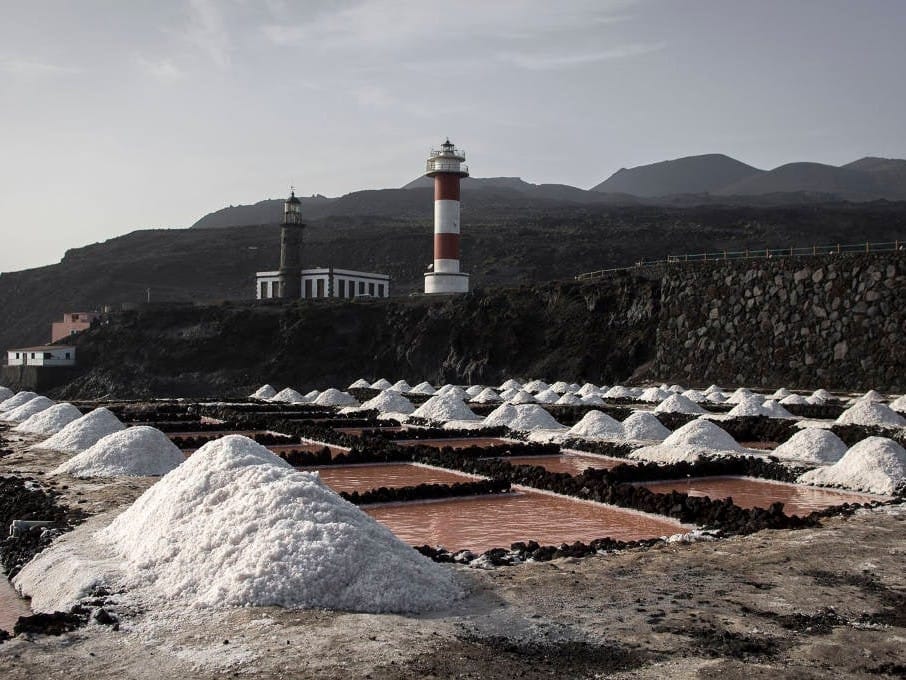
Salt production process
The method of obtaining salt in the Fuencaliente Salt Flats is based on the evaporation of seawater, a process that has been perfected over the years. This procedure is carried out in several stages:
- Sea water catchment: Sea water is conveyed through canals to the salt pans.
- Evaporation: Exposure to sun and wind causes the water to evaporate, leaving salt crystals.
- Harvesting: Once the salt has crystallized, it is collected manually by the salt makers, who follow traditional techniques.
This process, which combines tradition and local knowledge, makes it possible to obtain a quality salt, rich in minerals and with a unique flavor, appreciated not only in the Canary Islands, but also in international markets.
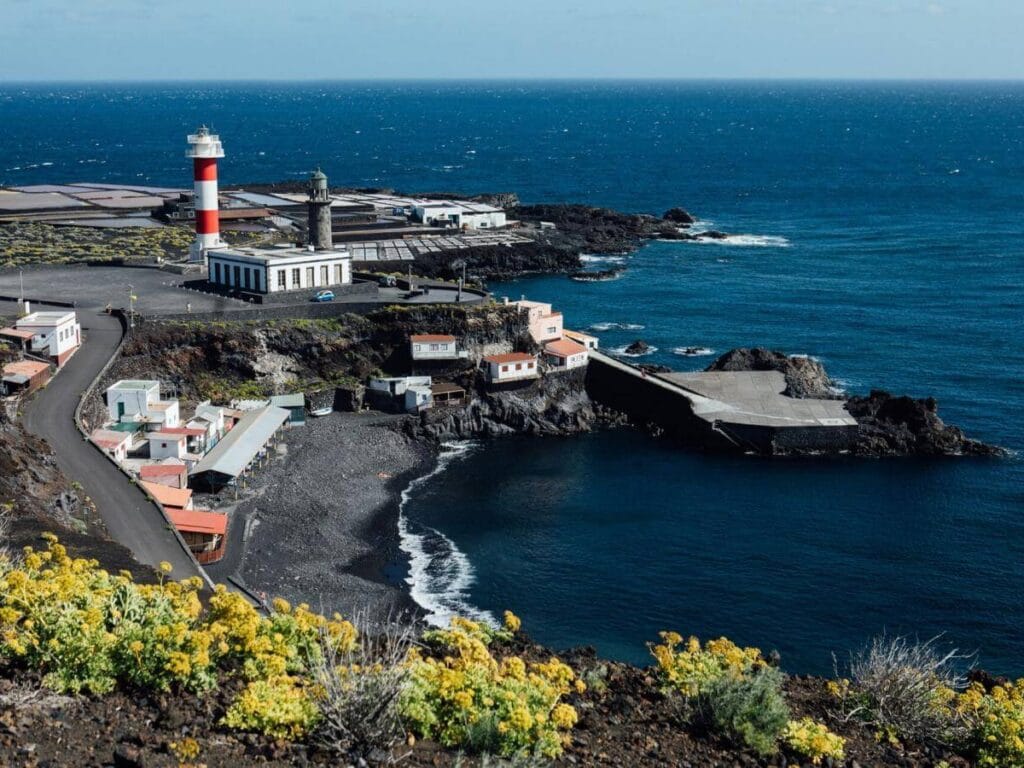
Cultural and historical value
The Salinas de Fuencaliente are not only a salt production site, but also have great cultural and historical value. They have been part of the local economy for centuries and reflect the way in which the inhabitants of La Palma have known how to take advantage of the island’s natural resources.
- Cultural heritage: The salt pans are a testimony to the traditions and techniques that have been passed down from generation to generation.
- Sustainable tourism: This place attracts many visitors interested in learning about salt production and the importance of this resource on the island.
- Ecosystem conservation: The environment of the salt flats is crucial for local biodiversity, favoring the presence of migratory birds.
A visit to the Salinas de Fuencaliente not only offers the opportunity to observe the production process, but also to appreciate the beauty of the surrounding landscape and understand the importance of salt in the history of the island.
.
15. Los Cancajos Beach
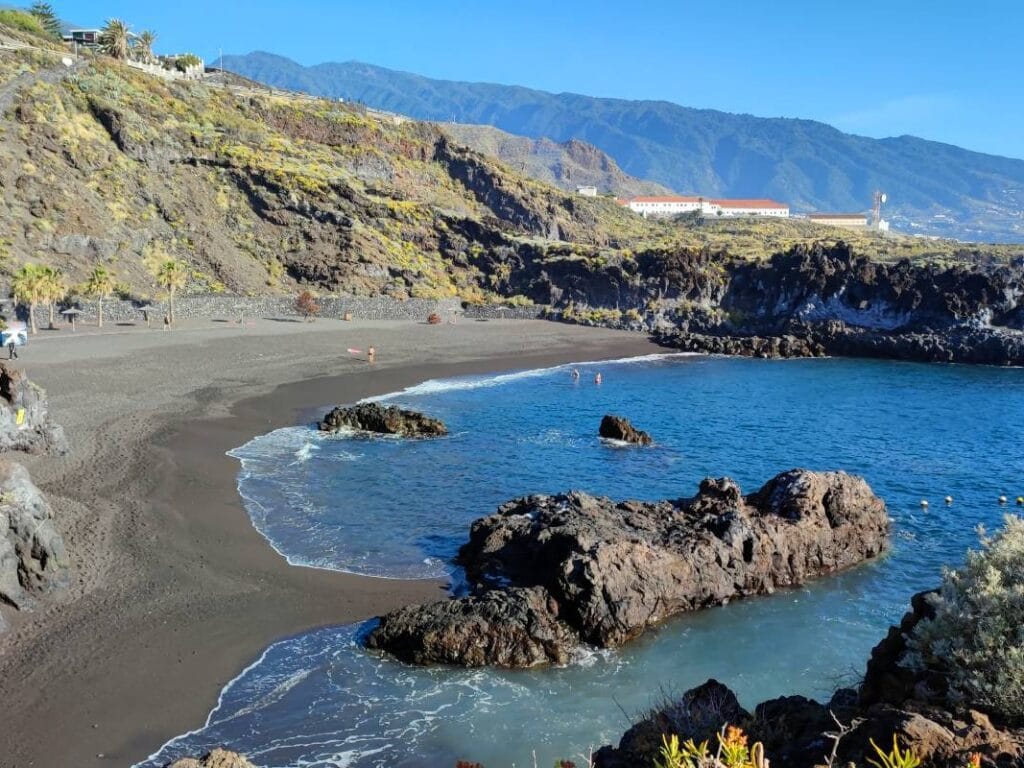
This beach is known for its natural beauty and cozy atmosphere. Its dark sand, originated by volcanic activity, makes it a unique place to enjoy the sea and tranquility.
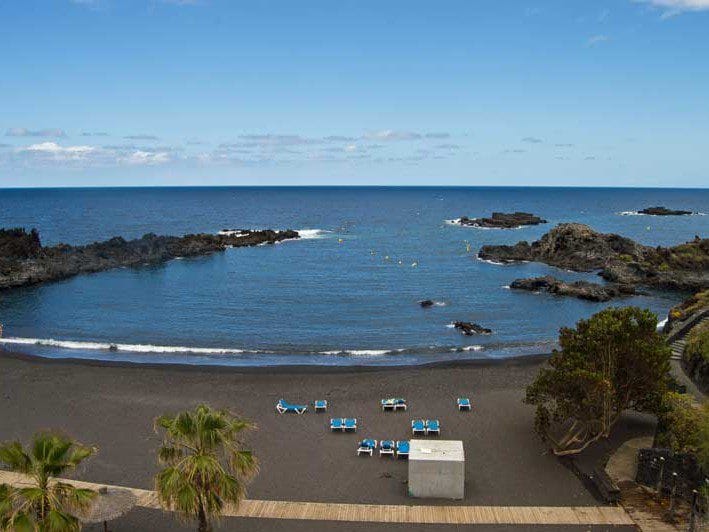
Water sports and activities
Playa de los Cancajos offers a variety of activities for water lovers. Options include:
- Snorkeling: The crystal clear waters allow you to explore the underwater richness of the area.
- Diving: There are diving centers nearby that offer courses and excursions for all levels.
- Kayaking: Kayaks can be rented to explore the coast and discover hidden corners.
- Paddle surfing: An ideal activity to enjoy the environment while exercising.
At this beach, water sports enthusiasts have access to equipment and instructors, guaranteeing a safe and fun environment for all.
Relaxation and coastal environment
Playa de los Cancajos is the perfect place for those looking for a quiet environment. The gentle sea breeze and the sound of the waves create an ideal atmosphere to relax. Visitors can:
- Sunbathing in comfortable hammocks.
- Enjoy a pleasant stroll along the promenade, which has numerous restaurants and bars.
- Taste the local gastronomy in the nearby beach bars, where fresh and tasty dishes are offered.
The cozy setting and breathtaking ocean views make this beach a must-see for visitors to La Palma. The combination of activities and a serene atmosphere ensures a memorable experience.