
14 Must-see places to visit in Santa Cruz de La Palma
Santa Cruz de La Palma is a city rich in history, culture and natural beauty. It is known for its colonial architecture and breathtaking scenery, making it an attractive destination for visitors. This article presents 15 must-see places to visit in the capital of La Palma. Through these points, you can explore the cultural heritage and wonders of the island.
La Palma is an island that conquers with its authenticity and wild nature. Known as “La Isla Bonita”, this corner of the Canary archipelago dazzles with its laurel forests, volcanic landscapes, endless trails and starry skies that seem to be taken from another world. Unlike other more touristy islands, La Palma offers an intimate experience deeply connected to the land,
ideal for lovers of ecotourism, hiking and tranquility. From entering the Caldera de Taburiente to contemplate the universe from the Roque de los Muchachos, every corner of this island holds a natural and cultural treasure. In this guide we show you the 14 best things to see and do in La Palma so that you can experience all the charm of this Canary Island jewel to the fullest.
- 1. Letters from Santa Cruz de La Palma
- 2. Science Stars Walk
- 3. Santo Domingo Church
- 4. Circus of Mars Theater
- 5. Royal Cosmological Society
- 6. El Salvador Mother Church
- 7. Santa Cruz de La Palma City Council
- 8. La Recova Market
- 9. Lo Divino Monument
- 10. Balconies of Avenida Marítima
- 11. Beach of Santa Cruz de La Palma
- 12. Plaza de España
- 13. Viewpoint of La Cumbrecita
- 14. Museum of History of Santa Cruz de La Palma
1. Letters from Santa Cruz de La Palma
This emblematic symbol of the city represents a meeting point and is ideal for capturing the essence of Santa Cruz de La Palma.
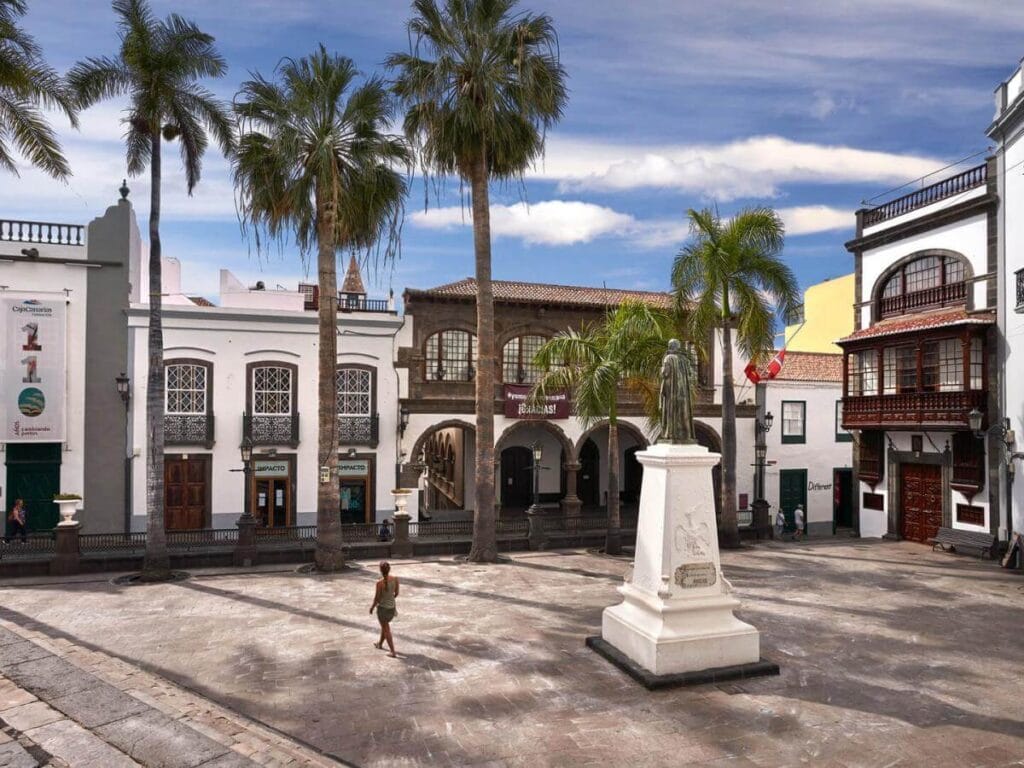
Location and access
Las Letras de Santa Cruz de La Palma is located near the port, in an area easily accessible to visitors. Radiating a vibrant atmosphere, it is within walking distance from any point in the historic city center. In addition, there are public transportation options and limited parking nearby for those traveling by car.
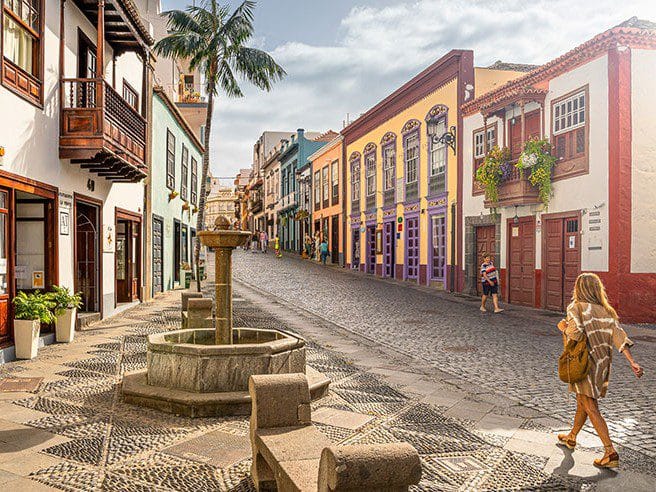
Meaning and photography
These letters, large and colorful, have acquired relevance as a symbol of the city. They represent not only the name of the capital, but also the pride of its inhabitants. Each letter is painted in vivid colors, making them a perfect place to capture memorable photographs. The area adjacent to the letters allows for spectacular views of the ocean and the surrounding area, creating an ideal backdrop for visual memories.
- The letters are a point of reference for tourists and locals.
- Cultural activities are organized in the nearby square.
- Its appearance changes over time, being the object of artistic interventions.
2. Science Stars Walk
The "Paseo Estrellas de la Ciencia" is a cultural and educational attraction that offers visitors the opportunity to learn more about astronomy and its relevance in the history of La Palma.

Origins and inauguration
This walkway was inaugurated in 2020 as a tribute to the island’s rich scientific tradition. The choice of its location, near the iconic Letras de Santa Cruz de La Palma, makes it easily accessible to passersby. The initiative seeks to encourage interest in science and highlight the role of La Palma in the astronomical field.
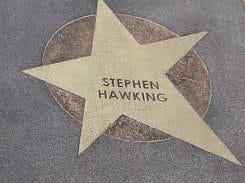
Scientists honored
The Promenade features a series of plaques dedicated to five outstanding scientists, each of whom has made significant contributions to science and astronomy. The honorees include:
- Stephen Hawking: Recognized for his work in cosmology and relativity.
- Aleksei Leonov: First human being to perform a space walk and pioneer in space exploration.
- Takaaki Kajita: Awarded the Nobel Prize for his discovery of neutrino oscillations.
- Samuel Ting: Known for his research on dark matter and for receiving the Nobel Prize in Physics.
- Jocelyn Bell: Astronomer famous for the discovery of pulsars, which revolutionized the study of neutron stars.
3. Santo Domingo Church
The Church of Santo Domingo stands as an outstanding religious and architectural symbol in Santa Cruz de La Palma. Founded in 1530, its design reflects the rich fusion of styles that characterizes the island.
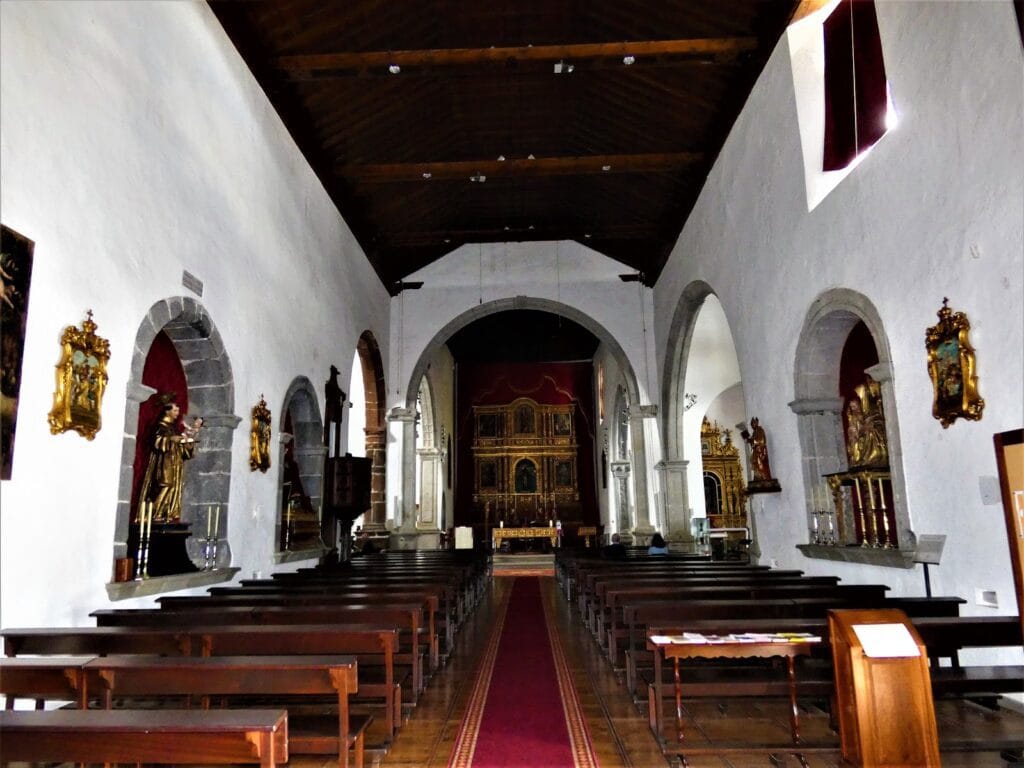
History and architecture
This building has gone through several historical stages, adapting to the cultural and social changes of the region. Originally conceived as part of a Dominican convent, its structure combines Renaissance and Baroque elements, becoming a reference of the Canary heritage.

Works of art in the interior
Inside the church, valuable works of art can be seen including:
- Ornate altarpieces that show the influence of the Flemish masters.
- Paintings by prominent artists such as Pierre Pourbus and Ambrosius Francken.
- Sculptures that embellish the spaces and reflect the religious devotion of the community.
Each of these elements contributes to the sacred atmosphere and cultural richness of this place. The faithful and visitors can appreciate not only the architecture, but also the deep sense of history that every corner of the church evokes.

Visiting hours
The Church of Santo Domingo offers the opportunity to explore its magnificence through established visiting hours:
- Monday to Saturday
October – June: from 10 a.m. to 2 p.m.
July – September: from 11 a.m. to 3 p.m.
- Special schedules
December 25, January 1 and January 6: closed
These times allow both locals and tourists to enjoy the spiritual atmosphere and artistic beauty of this historic monument. It is advisable to plan your visit according to these times to maximize the experience.
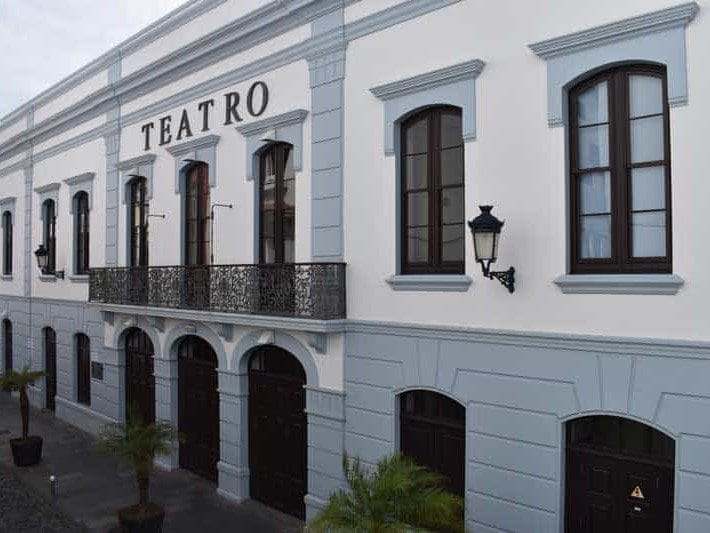
4. Circus of Mars Theater
This emblematic theater, located in the heart of Santa Cruz de La Palma, has been an important cultural meeting point since its inauguration.
History and restoration
The Teatro Circo de Marte was inaugurated in 1870, originally conceived as a space for cockfights and circus shows. Over the years, it has undergone several renovations that have allowed it to be adapted to different types of events. In 2004, it underwent an outstanding restoration, preserving its French style while incorporating modern improvements for the comfort of the attendees.

Current programming
Today, the Teatro Circo de Marte hosts a varied cultural offer. Theater, music and dance shows are organized, attracting local visitors and tourists. Among the most outstanding events, we can mention:
- Classical and contemporary theater performances.
- Concerts by local and international artists.
- Contemporary and traditional dance performances.
The programming is regularly updated, always offering something new. Thanks to its cozy atmosphere and rich history, the theater has established itself as an essential cultural center in Santa Cruz de La Palma, where culture and the arts are uniquely intertwined.
5. Royal Cosmological Society
The Royal Cosmological Society is a cultural and scientific institution of great importance in Santa Cruz de La Palma, promoting the study of natural sciences and research. Its legacy and contribution to knowledge is reflected in its museum and library.

Natural History Museum
This museum houses a fascinating collection dedicated to the natural history of La Palma. Visitors can explore a variety of exhibits including:
- Fossils of the island and its geology.
- Endemic species of flora and fauna.
- Didactic material on the biodiversity of the Canary Islands.
The museum offers an interactive tour that helps to understand the importance of the conservation of the natural environment of La Palma. It is an excellent opportunity to appreciate the biological richness of the region and learn about the preservation efforts being carried out.

Cervantes Library
Within the Royal Cosmological Society is the Cervantes Library, a vital space for researchers and reading enthusiasts. This library stands out for its:
- Extensive collection of books related to science, history and literature.
- Access to scientific publications and academic material.
- Quiet environments ideal for study and research.
With a focus on the promotion of knowledge, the library becomes a meeting point for those interested in expanding their knowledge and developing research projects.
6. El Salvador Mother Church
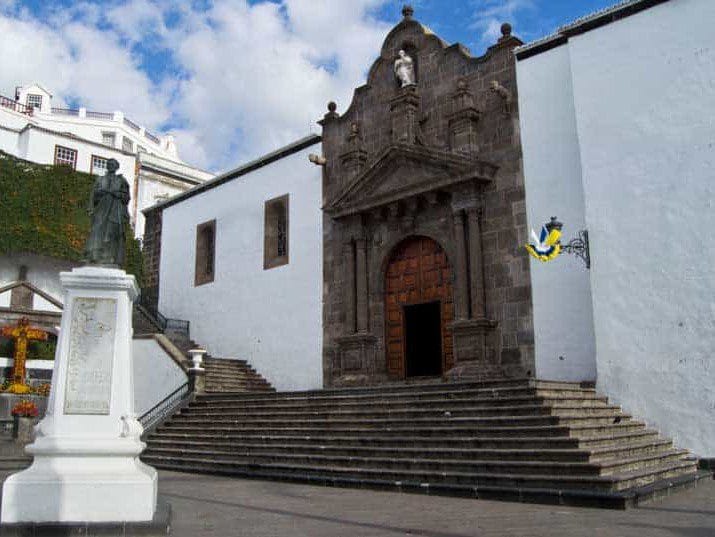
This emblematic temple is one of the main religious references of Santa Cruz de La Palma. Its history and architecture reflect the rich cultural heritage of the island.

Architectural style
Built at the beginning of the 16th century, the Iglesia Matriz de El Salvador is a clear example of the Renaissance style. The structure has a basilica floor plan with three naves, which provides a spacious and luminous atmosphere. The main façade stands out for its ornate features, evoking the shape of a Roman triumphal arch. The combination of architectural and decorative elements is a testament to its historical importance.
Outstanding works
Inside, the church houses an impressive collection of works of art that contribute to its cultural value. Among the most outstanding are:
- A canvas of the Transfiguration, which is considered a significant testimony of the religious painting of the time.
- Sculptures of high artistic value, which represent key figures in the Catholic tradition.
- Altarpieces that exhibit mastery in the work of gilding and imagery, reflecting the devoted work of the artists of the region.
7. Santa Cruz de La Palma City Council
This emblematic building is one of the most representative places in the city, not only for its architecture, but also for its relevance in local history.

History and architecture
Built between 1559 and 1563, the Town Hall of Santa Cruz de La Palma stands out for its Renaissance style. It was designed to house administrative and political functions of the island, becoming a symbol of local government. In its façade you can observe typical architectural elements of the period, such as the arches and colonnades that adorn it.
The building has two floors and is decorated with important details, including a wooden balcony where official events are held. Over the years, it has been restored and maintained in a state that preserves its historical and cultural essence.

Historical significance
This City Council was a pioneer in Spain, being the first to have representatives elected by popular vote in 1773. This marked a milestone in citizen participation and laid the foundations for local democracy. Throughout its existence, it has witnessed numerous historical events that have shaped the life of the island.
Today, it functions as the center of the municipal administration and remains a key space for the social and political life of Santa Cruz de La Palma.
8. La Recova Market
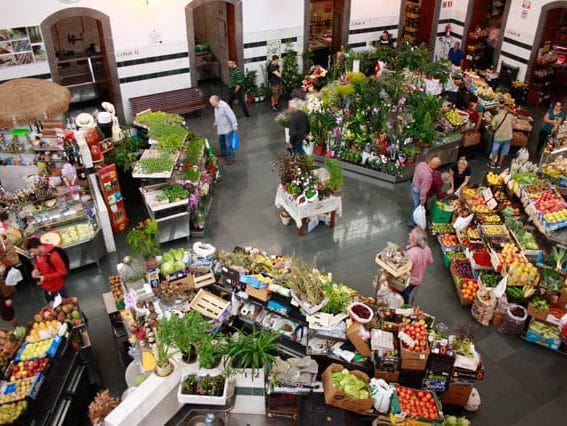
This municipal market is located in the heart of Santa Cruz de La Palma, being a meeting point for locals and tourists. Its vibrant atmosphere offers an authentic experience of Canarian culture and gastronomy.
Typical products
Within the Mercado de La Recova, you can find a variety of products that represent the rich gastronomy of La Palma. Some of the most outstanding items include:
- Palmeros cheeses, famous for their unique texture and flavor.
- Fresh fruits and vegetables, grown in the fertile lands of the island.
- GoFio, a traditional food based on cereal flour, ideal for preparing various dishes.
- Rapaduras, a typical sweet made with gofio, palm honey and sugar.
- Fresh fish and seafood from its coasts.

Opening hours
La Recova Market has a schedule that varies according to the day of the week, allowing visitors to explore its offerings at different times. The hours are as follows:
- Monday to Saturday from 7 a.m. to 2 p.m.
9. Lo Divino Monument
This emblematic monument is an artistic representation of the most deeply rooted traditions of La Palma, highlighting its connection with the island's popular festivities.

History of the monument
The history of the Monumento a Lo Divino dates back to the celebration of the festivity that gives it its name, which takes place every year and combines religious and cultural elements. This event is a manifestation of the devotion of the palmeros, where the community unites to pay homage to their customs. The monument was inaugurated in 2006, becoming an important meeting point and a symbol of local identity.

Cultural significance
The cultural significance of the Monumento a Lo Divino transcends its decorative function. It represents the fusion of beliefs and traditions that characterize the people of La Palma. It is an expression of the deep devotion that the inhabitants feel towards their festivities, which are an essential part of their social and cultural life. This monument reflects:
- The joy and active participation of the community during the festivities.
- Respect and preservation of local traditions over the years.
- The importance of religious festivities and their link to the collective identity of the Palmeros.
10. Balconies of Avenida Marítima
The balconies of the Avenida Marítima are an iconic element of the urban landscape of Santa Cruz de La Palma. They supply a particular charm that reflects the rich architectural and cultural heritage of the island.

Architectural features
These balconies stand out for their traditional design, with worked wooden structures and bright colors that adorn the facades of the houses. Some of the most notable elements include:
- Wooden balconies with intricately carved railings.
- A mixture of architectural styles reflecting Arab and Portuguese influences.
- Gable roofs that allow the collection of rainwater, a practical detail in local architecture.
Each balcony tells a story of its own, and together they create a visual journey that shows the evolution of the city. The variety of designs and decorations makes each one unique, adding character to Avenida Marítima.

Panoramic view
The Avenida Marítima provides spectacular views of the ocean. These balconies not only serve as part of the architectural landscape, but also allow visitors to enjoy the natural beauty of the surroundings. From them you can contemplate:
- The intense blue of the sea, especially at sunset.
- Fishing boats anchoring in the port.
- The mountains rising in the background, creating a beautiful contrast with the buildings.
This combination of architectural elements and panoramic views transforms Avenida Marítima into a privileged place to stroll, observe and photograph. The interaction between nature and local architecture creates an atmosphere that captivates tourists and residents alike.
11. Beach of Santa Cruz de La Palma
Located on the coast of Santa Cruz de La Palma, this artificial beach is a haven of tranquility and is ideal for enjoying the good Canarian climate.

Characteristics of the beach
The beach of Santa Cruz de La Palma is characterized by its sophisticated black sand, which offers a spectacular contrast with the crystalline waters of the ocean. This atmosphere makes it an attractive destination for those who want to enjoy the sea in a comfortable and accessible space.
Inaugurated in 2017, it is approximately one kilometer long, offering enough space for visitors to relax. The beach’s width makes it possible to enjoy the sun throughout the day.
- The sand, of volcanic origin, provides a unique visual experience.
- The swell in this area is moderate, which favors swimming and recreation.

Recommended activities
This beach is not only a place to sunbathe, but also offers a range of activities for all tastes. Families and solo travelers will find multiple options to enjoy the day.
- Swimming in its waters is very popular, ideal both for beginners and experienced swimmers.
- There are designated areas for water sports such as paddle surfing and kayaking.
- The proximity to Santa Cruz makes it possible to enjoy the local gastronomy in the nearby beach bars and restaurants.
- Exercise sessions on the beach, such as yoga or pilates, can be found frequently.
- Occasional cultural events and festivals are held nearby, enriching the on-site experience.
12. Plaza de España
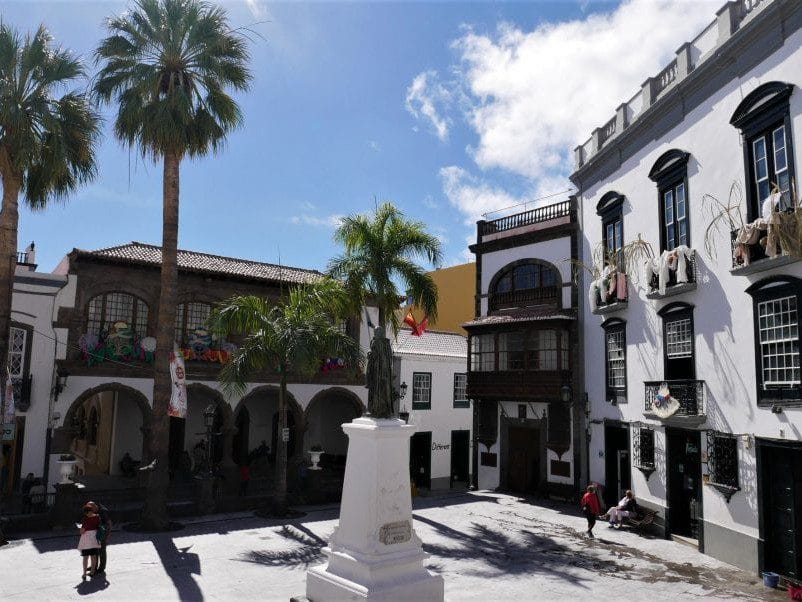
The Plaza de España is the pulsating heart of Santa Cruz de La Palma, a place where social and cultural life mixes with history. This urban space is surrounded by emblematic monuments that reflect the architectural heritage of the city.
Historic buildings
In the square you can admire several buildings of historical relevance. Among them are:
- Santa Cruz de La Palma City Hall: This Renaissance building, built between 1559 and 1563, is known for being the first city hall in Spain with representatives elected by popular vote. Its two-story architecture highlights the elegance of the square.
- Church of El Salvador: This Renaissance style church is located on one side of the square. Its imposing façade and the valuable religious art inside make it an important point of interest for visitors.
- Fountain of the Four Elements: Located in the center of the plaza, this sculpture is an artistic representation of nature, symbolizing earth, water, fire and air, and adds an artistic touch to the surroundings.

Activities in the plaza
Plaza de España offers a variety of activities for locals and tourists. It is an ideal place to enjoy:
- Cafes and terraces: Numerous bars and cafes surround the square, providing a perfect place to relax while enjoying a coffee or a tapa.
- Events and festivities: Throughout the year, the square is the scene of various celebrations and cultural events, such as festivals, fairs and concerts, which attract large crowds.
- Local markets: During certain times of the year, markets are set up where you can purchase handicrafts and local products, promoting the island’s culture.
13. Viewpoint of La Cumbrecita
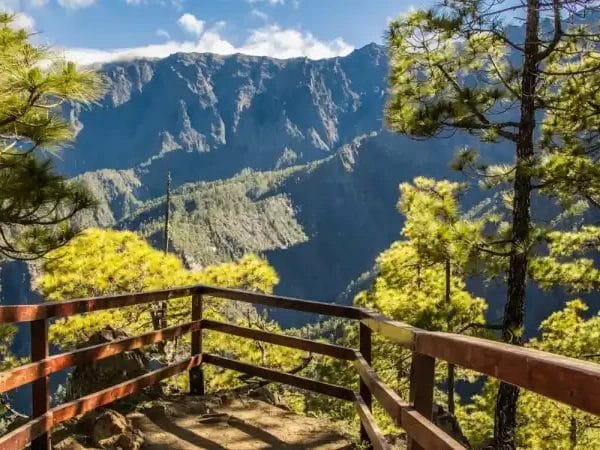
The Mirador de La Cumbrecita is located in the Caldera de Taburiente National Park and is an outstanding place for its breathtaking panoramic views. This natural space offers breathtaking views, making it an obligatory stop for nature lovers.
Views and accessibility
From this viewpoint, you can contemplate deep valleys, ravines and lush vegetation. The views extend to the horizon, creating landscapes that invite reflection and contemplation. Accessibility is adequate, with well-marked trails that allow you to comfortably reach the observation area.
Hiking and nature
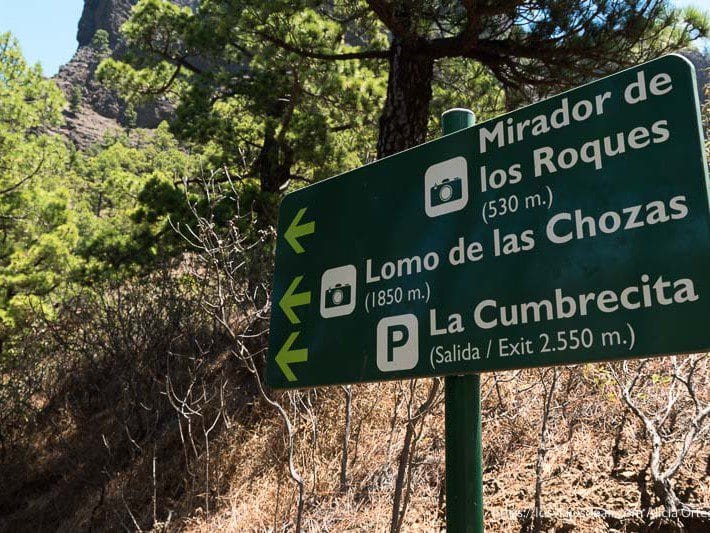
La Cumbrecita is also a starting point for several hiking trails. Hikers can opt for different trails that vary in difficulty and length. Some of the most popular trails are:
- Route to El Pilar Refuge, ideal to enjoy the endemic flora of the island.
- Road leading to the Caldera de Taburiente, where you can appreciate unique landscapes.
- Trail to Llanos de Aridane, suitable for different levels of experience.
14. Museum of History of Santa Cruz de La Palma
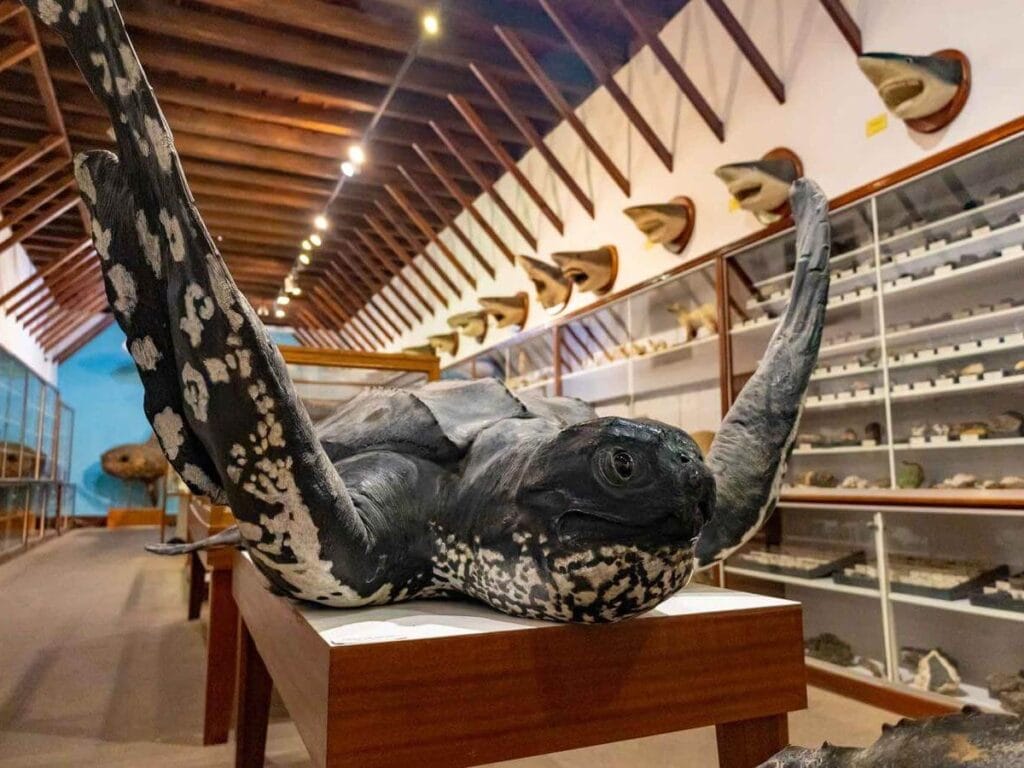
The Museum of History of Santa Cruz de La Palma offers an integral vision of the rich cultural and patrimonial heritage of the island. Its exhibits provide an in-depth knowledge of its evolution over the centuries, from the first settlements to the present day.
Permanent exhibitions
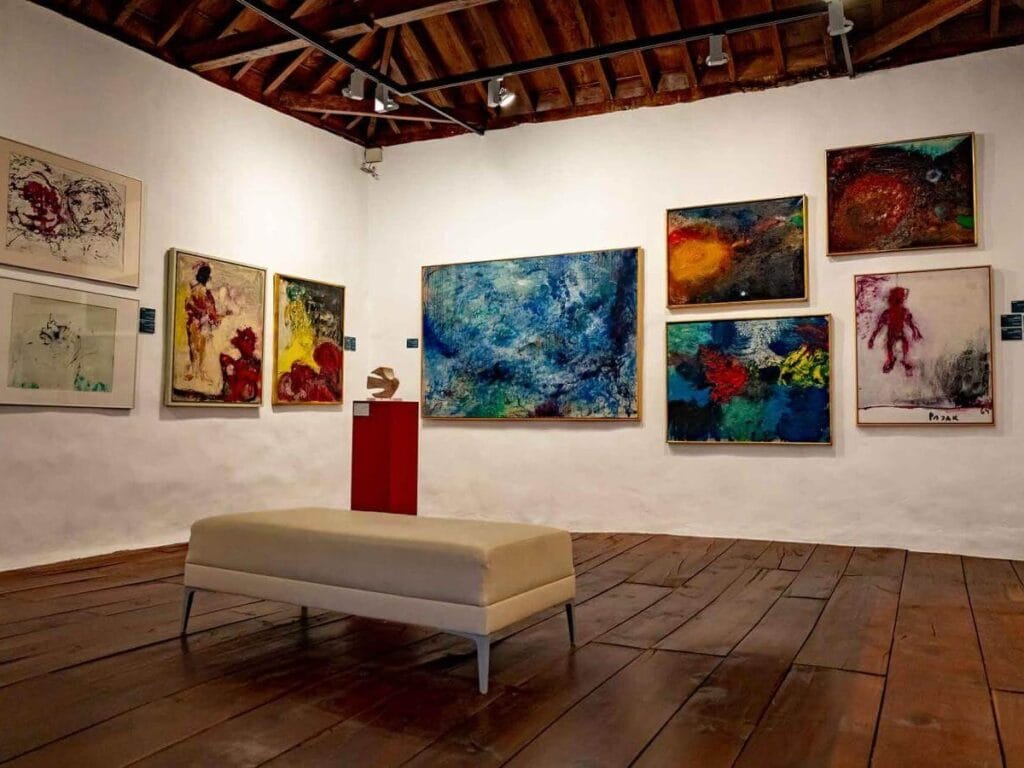
Inside, the museum houses several rooms displaying a wide range of historical artifacts, documents and works of art that reflect the life of the people of La Palma over time. The exhibits are organized chronologically, which facilitates the understanding of the historical development of La Palma.
- Archaeological artifacts dating back to pre-Hispanic times, showing the culture of the island’s aborigines.
- Historical documents that narrate the main events that took place in Santa Cruz de La Palma, from its foundation to the present day.
- Exhibits on everyday life, including objects of daily use, typical costumes and handcrafted utensils from past eras.
Visiting hours
The museum has opening hours that allow those interested to visit at different times of the day. Generally, the hours of access are as follows:
- Monday to Friday: 10:00h to 19:00h
- Saturdays: 10:00h to 13:00h
- Sundays: Closed
It is recommended that visitors consult the schedule prior to their visit, as there may be variations depending on the time of year or special events.