
The best wineries and cheese dairies on La Palma: Authentic island flavors
La Palma is known for its rich winemaking tradition and its production of artisan cheeses. The island's wineries and cheese dairies stand out for their quality, authenticity and use of traditional techniques. This article explores the best wineries and cheese dairies of La Palma, their history and characteristics, as well as gastronomic experiences that reflect the local culture. The most representative products and ways to approach them will be analyzed.
Lanzarote’s winemaking tradition is one of the great treasures of the Canary archipelago. In a unique volcanic landscape, the island’s wineries have developed cultivation techniques adapted to the environment, such as the characteristic holes in picón that protect the vines from the wind.
Through wine tourism routes, guided tastings and visits to emblematic wineries, locals and travelers can delve into the authentic flavor of Lanzarote. Discover the 7 most outstanding wineries on the island and immerse yourself in an unforgettable sensory experience.
1. Our selection of the best wineries and cheese dairies on La Palma
2. History of Viticulture in La Palma
Viticulture on La Palma has a rich and fascinating history dating back several centuries, reflecting the island's connection to wine and its traditions.

Origins of viticulture in the 16th century
The beginnings of viticulture in La Palma date back to the early 16th century, when the conquistadors brought the first vines to the island. These vines quickly adapted to the climate and terrain, marking the beginning of a tradition that has lasted to the present day. Wine production at this time was influenced by both local traditions and European techniques. The first harvests, although simple, began to make a name for themselves in nearby regions, laying the foundations for what was to become a wine economy.

Evolution and current events
Over the centuries, viticulture in La Palma has evolved remarkably. At the end of the 19th century, the arrival of the phylloxera plague devastated the vineyards of many wine-growing areas, but La Palma managed to maintain production thanks to the native varieties and its altitude. Today, the Denomination of Origin La Palma ensures that the island’s wines meet quality standards. Current production is based on traditional methods combined with modern techniques, which allows the winemakers to offer unique products of great character. The wineries have boosted their offer, attracting both tourists and wine experts, and have focused on native varieties such as Listán Negro and Malvasía.

Importance of volcanic soils
The volcanic terrain of La Palma plays a vital role in the quality of the wines produced on the island. The mineral-rich soils, combined with a favorable climate, provide exceptional conditions for the growth of the vines. Plant roots benefit from the depth and fertility of the soil, resulting in grapes with distinctive nuances and a complexity of flavors. This geological uniqueness not only favors wine production, but also brings a unique character to each vintage. The interaction between soil, climate and winemaking tradition creates wines that tell the story and character of La Palma, making each bottle a reflection of its origin.
3. Main Wineries of La Palma
La Palma is home to several wineries that stand out for their quality and uniqueness. Each of them offers a unique experience, reflecting the richness of the volcanic terroir and local traditions. Below are the most representative wineries on the island.

Vega Norte Winery
Location and characteristics
Located in Tijarafe, this winery is surrounded by stunning mountain scenery. Vega Norte is recognized for its commitment to the production of quality wines, being a reference in the north of La Palma.
Grape varieties grown
Among the grape varieties grown in its vineyards, the following stand out:
- Listán Prieto
- Negramoll
- Albillo Criollo
- White Listan

Tamanca Winery
Architectural features
This winery is uniquely built inside a volcanic stone cave, which provides ideal conditions for the aging of the wines. The unique architecture creates a unique atmosphere for visitors.
Varieties and experiences
Tamanca grows a variety of grapes, including:
- Negramoll
- Tintilla
- Albillo Criollo
- Aromatic Malvasia
Visitors can enjoy wine pairings that combine their wines with local dishes in a cozy environment.

Teneguía Winery
History and trajectory
Founded in 1947, Bodega Teneguía is located in Fuencaliente. Its long history has been marked by a constant dedication to quality and the winemaking traditions of La Palma.
Guided tour experience
Teneguía offers complete guided tours that include tastings of its wines as well as local tapas. The experience is enriched with views of the Teneguía volcano, providing a spectacular setting for each visit.
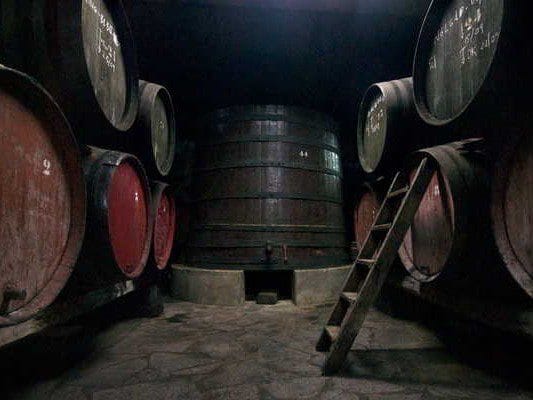
Juan Matías Torres Winery
Tradition and ecological approach
This family winery represents the fifth generation of winemakers committed to sustainable production. Their artisanal approach is reflected in the attention to natural processes in winemaking.
Grape varieties grown
At Bodega Juan Matías Torres, several native grapes are grown, including:
- Black Listan
- Negramoll
These varietals, together with the care taken in their production, contribute to wines that captivate with their authenticity and character.
4. Outstanding Cheese Factories in La Palma
Cheese production in La Palma is an art that reflects the richness of its environment. The island's cheese dairies stand out for using goat's milk from La Palma, which gives a unique flavor to their artisanal products.

La Candilera Cheese Factory
Sustainable production
La Candilera stands out for its commitment to the environment. Its sustainable production practices ensure minimal impact, using techniques that preserve the quality of La Palma’s natural environment. It focuses on the production of goat cheeses that reflect the flavor of free-range grazing.
Importance of animal welfare
The herds are carefully tended, ensuring ethical treatment and an environment conducive to animal welfare. This approach not only improves milk quality, but also contributes to the production of healthy and tasty cheeses with a distinctive flavor profile.

Las Lameras Cheese Factory
Awards and recognitions
Located in San Andrés y Sauces, Las Lameras has won numerous awards in regional and national competitions. Its dedication to the production of artisan cheeses has been recognized by experts, highlighting the quality and authenticity of its products.
Craftsmanship techniques
The cheese factory uses manual techniques in production, which ensures special care at each stage. Each cheese is made with attention to detail, preserving local traditions. This results in a final product that is not only delicious, but also a reflection of the cheese culture of La Palma.