
Astrotourism in La Palma: Discover the Starry Sky
La Palma is an outstanding destination for astro-tourism, thanks to its clear skies and its commitment to environmental conservation. The island offers a wide variety of astronomical activities for all levels of interest. Astrotourism in La Palma includes visits to the famous Roque de los Muchachos Observatory, astronomical tours and astrophotography experiences. This phenomenon contributes positively to the local economy and promotes astronomy education.
La Palma is much more than nature and volcanic trails: it is also a privileged window to the universe. Recognized as a Starlight Reserve, this jewel of the Canary archipelago offers one of the cleanest and clearest skies in the world, ideal for lovers of astro-tourism. Far from light pollution and with active protection of the night sky, La Palma invites you to look up and be amazed by constellations, planets and astronomical phenomena that are experienced here with unique clarity.
From the majestic Roque de los Muchachos, home to one of the most important astrophysical observatories on the planet, to accessible astronomical viewpoints and routes under the stars, the island offers unforgettable experiences for both experts and the curious. Whether through a guided tour, a night photograph or simply lying down contemplating the firmament, the sky of La Palma is a spectacle that connects with the essential and awakens the purest admiration.
1. La Palma: A Destination for Astronomical Observation
With clear skies and a commitment to environmental conservation, La Palma stands out as a privileged place for astronomical observation. Its natural surroundings provide an ideal setting for lovers of the cosmos.

Night Sky Quality
The quality of the night sky in La Palma is exceptional, with conditions that allow observing distant stars and constellations clearly. The low light pollution and the altitude of the island are key factors that contribute to this quality. Clear skies and environmental transparency have made La Palma a reference place for astronomy.

Light Protection Laws
To ensure the preservation of its valuable starry sky, La Palma has implemented strict regulations against light pollution. These laws are fundamental to maintaining the darkness of the night environment. The local community has shown a strong commitment to protecting the sky, allowing for a better experience for observers. The main measures include:
- Restrictions on the use of artificial lights in public spaces.
- Regulations for the design of new buildings to minimize light emission.
- Awareness of the importance of a clean sky for nocturnal biodiversity.
These actions not only benefit astronomers, but also promote a healthier environment for the local flora and fauna. The island’s commitment to astronomical observation translates into a unique experience for all visitors.
2. Roque de los Muchachos Observatory
The Roque de los Muchachos Observatory is located on one of the highest points of La Palma. Its privileged location makes it an ideal place for astronomical research and science education. Its main characteristics are detailed below.

Scientific Importance
This observatory is fundamental for astrophysics at an international level. Research ranging from the observation of stars to the study of distant galaxies is carried out here. Advanced facilities allow scientists to explore key questions about the universe and its components.

Guided Tours
The observatory offers guided tours that allow tourists to get an up-close look at the fascinating work being done. These tours include:
- Access to restricted areas where telescopes are located.
- Informative talks on ongoing projects and recent discoveries.
- Interaction with researchers and professional astronomers in their work environment.

Featured Telescopes
The complex houses several renowned telescopes that are used by scientists from around the world. Some of the most prominent include:
- Gran Canaria Telescope, which provides high resolution images.
- 10.4-meter telescope contributes to exoplanet research.
- Gamma Ray Telescope, vital for studies on astrophysical phenomena.
3. Astronomical Activities and Experiences
The variety of astronomical activities and experiences in La Palma allows visitors to immerse themselves in the fascinating world of the cosmos and enjoy the beauty of its clear skies.

Astronomical Tours
Astronomical tours offer participants a unique opportunity to observe the sky under the guidance of experts. Their characteristics are described below.
Types of Tours
There are different types of tours to suit visitors’ preferences:
- Group tours, which allow you to meet other enthusiasts.
- Private experiences, ideal for those seeking more personalized attention.
- Themed tours, focusing on specific constellations or astronomical events.
Local Companies
Several local companies, such as AstroLaPalma, organize these tours. These organizations provide a professional and passionate approach, ensuring an enriching experience for all attendees.
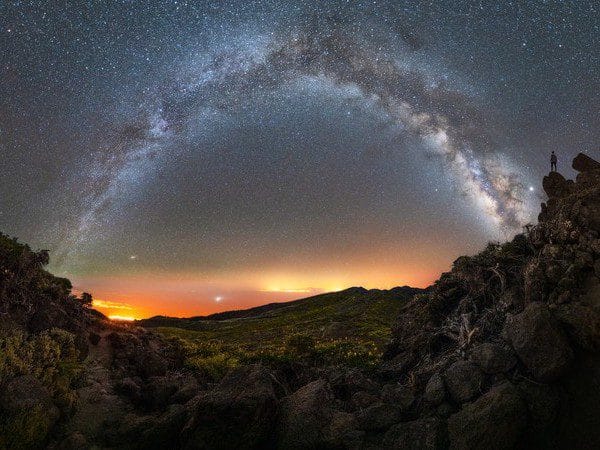
Astrophotography
Astrophotography has become a very popular activity on La Palma. This practice allows to capture the magnificence of the night sky.
Workshops and Techniques
Astrophotography workshops offer training in various techniques for immortalizing starry skies. Participants learn about framing, exposure and image editing.
Recommended Equipment
For best results in astrophotography, the use of:
- SLR or mirrorless cameras.
- Large aperture lenses.
- Sturdy tripods to stabilize shots.

Starparties and Meetings
Starparties are social events where amateurs gather to observe the sky. These gatherings encourage the exchange of knowledge and experiences.

VIP and Personalized Experiences
VIP experiences offer exclusive services for those who wish to enjoy the cosmos in a more intimate way. These include outdoor dining and private observing sessions with advanced telescopes.
4. Natural and Cultural Attractions
La Palma, with its natural beauty and cultural richness, offers diverse attractions that complement the astrotourism experience. From trails that allow better observation of the sky, to excellent viewpoints and museums that tell the history of the island, every corner has something special to offer.

Observation Routes and Trails
The island has multiple routes and trails. Enjoying a walk along these trails not only provides the opportunity to appreciate the local flora and fauna, but also to enjoy breathtaking views of the night sky.
- Route of the volcanoes: Ideal for observing the sky from different points of the island.
- La Cumbrecita Trail: Offers exceptional panoramic views, perfect for astrophotography.
- Road to Roque de los Muchachos: Direct access to one of the best places for stargazing.
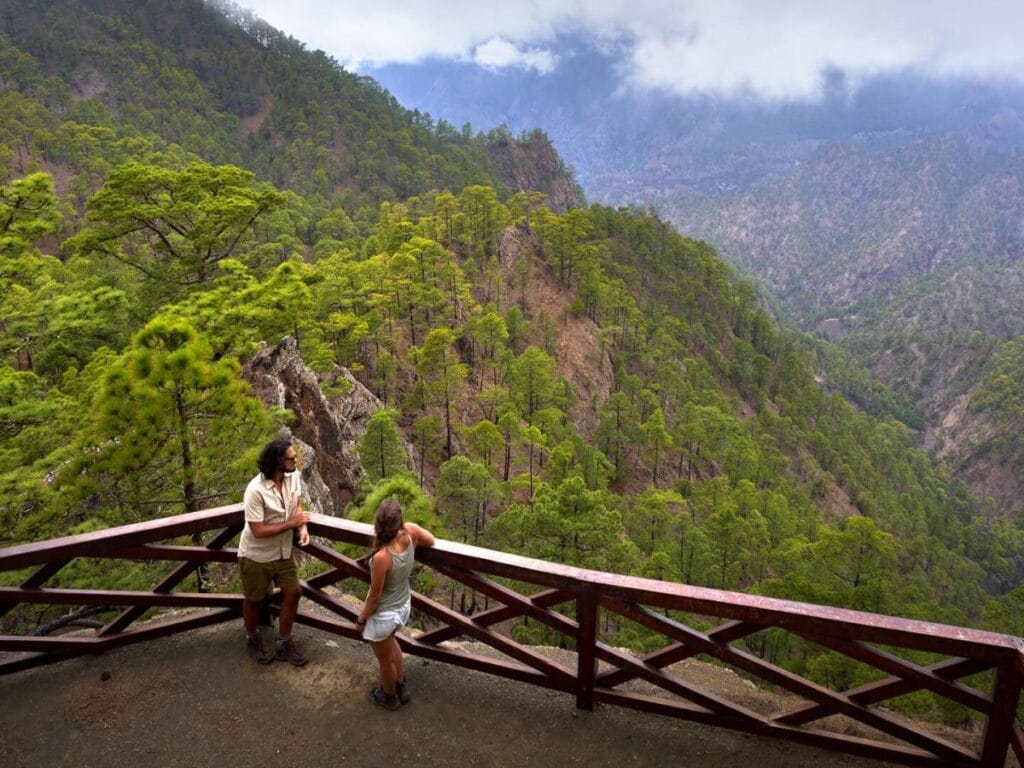
Recommended Viewpoints
La Palma’s miradors are essential for those who wish to appreciate the beauty of the cosmos. Each viewpoint is strategically located to maximize the visibility of the sky.
- La Cumbrecita viewpoint: It offers a unique panorama to the south of the island and is ideal for observing the Milky Way.
- Mirador del Llano de las Dos Hermanas: A high point that provides unobstructed views.
- Mirador de las Tricias: Known for its impressive landscapes that can be enjoyed under the starry mantle.

Museums and Visits of Interest
La Palma is also home to a variety of museums that allow visitors to delve into the astronomical and cultural history of the island. Each museum offers a unique perspective on the relationship between Palestinians and the stars.
- Museum of Science and the Cosmos: A place where you can learn about the principles of astronomy.
- Museum of History of La Palma: Offers an overview of the cultural evolution of the island, including its relationship with the sky.
- Roque de los Muchachos Visitor Center: An educational approach to astronomy and science, promoting interest in space observation.
5. Economic and Social Impact of Astrotourism
Tourism activity related to astronomy has significant effects on the economy and society of La Palma. Its development has fostered both economic growth and awareness of the importance of conservation.

Local Economy
The arrival of tourists interested in stargazing has revitalized several sectors on the island. Hotels, restaurants and leisure businesses benefit from the constant flow of visitors. Related activities generate employment and promote local businesses, contributing to the well-being of the community.
- Increase in hotel and restaurant occupancy.
- Creation of new jobs in tourism-related sectors.
- Promotion of local companies that offer astronomical services.

Awareness and Education
Astrotourism has also served as an educational platform, raising awareness about environmental protection and the night sky. Awareness-raising initiatives have fostered greater respect for nature.
- Sky conservation education programs.
- Workshops and activities explaining the importance of the nocturnal ecosystem.
- Collaboration with schools to promote interest in astronomy among young people.
6. Future of Astrotourism in La Palma
With the growing interest in astronomy and the observation of clear skies, the island is preparing to consolidate itself as a point of reference. This future will be based on improved infrastructure, special events and community-oriented educational programs.

Infrastructure Expansion
La Palma plans to increase the facilities related to astro-tourism to offer a more complete experience. It is contemplating the expansion of:
- New visitor centers, which will facilitate the arrival of tourists and provide information on available astronomical activities.
- Improvements in the access routes to the Roque de los Muchachos Observatory, ensuring a greater flow of visitors and reducing the environmental impact.
- Observation spaces equipped with advanced technologies to enrich the tourists’ experience and ensure they enjoy the best celestial spectacle.

Astronomical Events and Festivals
Thematic events will be intensified in the coming years. These activities are designed to attract both tourists and researchers. They will include:
- Astronomical film festivals, which will combine cultural celebrations with the dissemination of science.
- Scientific conferences and informative talks, creating a space for exchange between experts and amateurs.
- Astrophotography competitions and meetings that encourage active participation of the community.

Educational Programs
Efforts to educate local people and visitors about the importance of the night sky will be crucial. Initiatives will include:
- Workshops for schools to promote interest in astronomy from an early age.
- Talks on environmental protection and sky conservation, aimed at raising awareness about light pollution.
- Collaborations with universities to develop research and training programs that strengthen the educational offerings on the island.