
Seaweed cultivation for biofuels in the Canary Islands: A sustainable solution
The cultivation of seaweed in the Canary Islands is emerging as a promising alternative for the production of biofuels. This practice not only seeks to replace fossil fuels, but also to contribute to environmental sustainability. Taking advantage of the region's favorable climatic conditions, various initiatives have been promoted to explore the economic and ecological potential of algae. Research and development in this sector are key to taking advantage of its benefits.
Seaweed cultivation in the Canary Islands has become one of the most promising alternatives for producing sustainable biofuels. Thanks to its strategic location, ideal climatic conditions and unique marine ecosystems,
the archipelago is leading innovative projects that combine sustainability and renewable energy. This solution not only seeks to reduce dependence on fossil fuels, but also to protect the environment and promote the local economy.
Seaweed
Scientific innovation
Sustainability
- 1. Context of seaweed cultivation in the Canary Islands
- 2. Characteristics of seaweeds
- 3. Conditions for cultivation in the Canary Islands
- 4. Production of biofuels from algae
- 5. Current projects and initiatives
- 6. Benefits of algae cultivation
- 7. Challenges in the sector
- 8. Future of seaweed cultivation in the Canary Islands
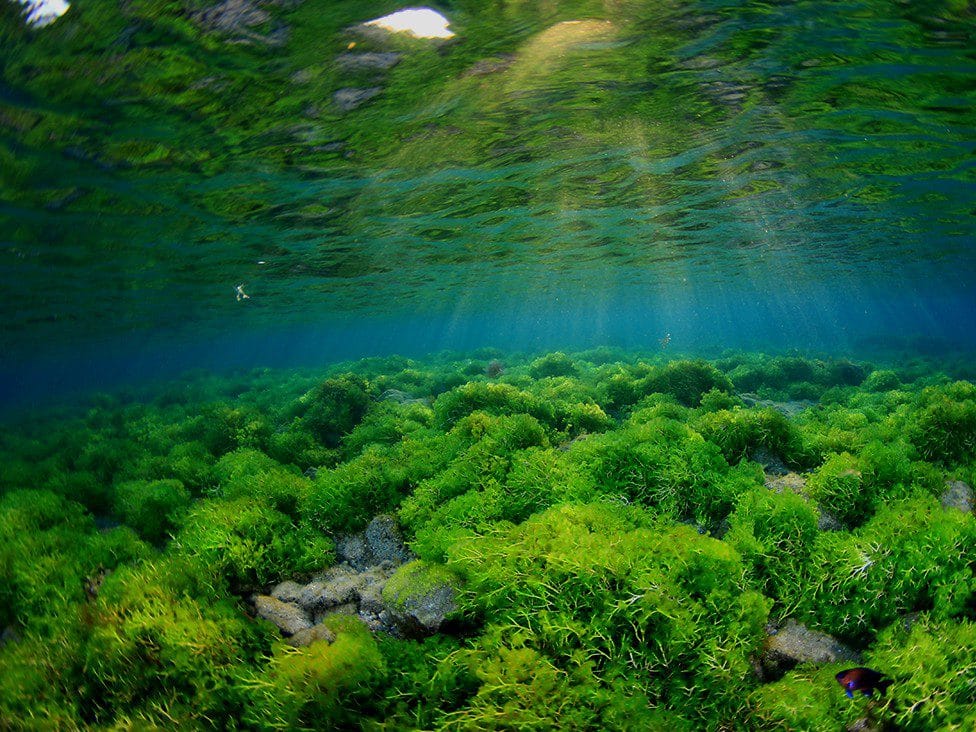
Seaweed cultivation in the Canary Islands has been taking shape over the last few decades, driven by various initiatives that seek to take advantage of the region's natural resources and meet current energy and environmental challenges.
History and evolution of seaweed cultivation
The tradition of seaweed exploitation in the Canary Islands dates back to ancient times, when local populations were already using seaweed for food and medicinal practices. However, the modern development of seaweed cultivation began to gain momentum in the 1980s, when its potential for the production of biofuels and other value-added products was recognized.
Over time, several research and collaboration initiatives have emerged between universities and the private sector. This has made it possible to improve cultivation and processing techniques, as well as to identify varieties of algae with specific commercial applications. The Canary Islands have thus positioned themselves as a benchmark in Europe in research on marine resources.
Impact on the local economy
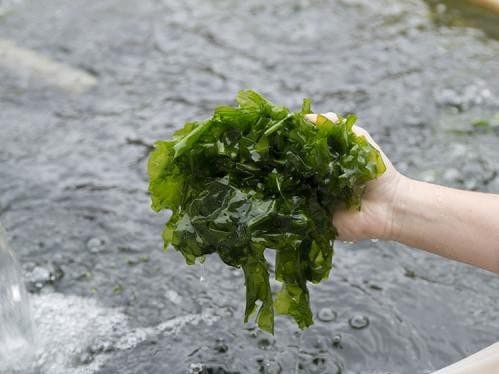
The development of the algae farming sector has begun to have a significant impact on the local economy. This translates into job creation in areas associated with biotechnology, research and sustainability. In addition, the production of biofuels from algae offers an alternative to diversify energy sources in the archipelago, contributing to the region’s energy security.
- Generation of sustainable employment.
- Promotion of new companies in the biotechnology sector.
- Increased investment in research and development.
Relationship to sustainability and climate change
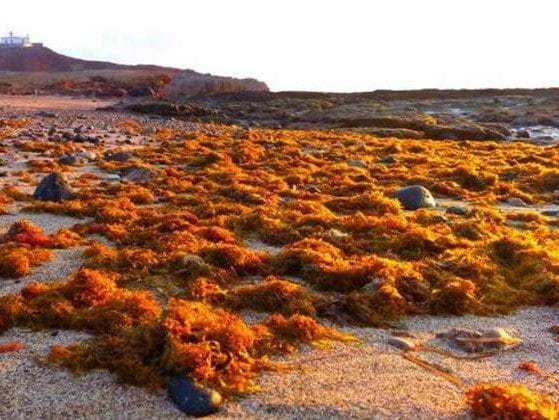
Seaweed cultivation is closely linked to sustainability objectives and climate change mitigation strategies. Seaweeds, thanks to their ability to absorb CO2, contribute to the reduction of greenhouse gases, which is especially important in a context of climate crisis. As they are cultivated in saline waters, they do not compete with traditional agricultural crops for water and land resources, thus offering an environmentally responsible solution.
The integration of algae farming into a circular economy optimizes the use of resources, minimizing waste and promoting reuse. This approach is fundamental to the sustainable development of the region and its ability to adapt to the environmental challenges of the future.
Marine algae have a number of distinctive characteristics that make them organisms of great scientific and commercial interest. These properties are essential to understand their potential in the energy and environmental fields.
Photosynthetic properties
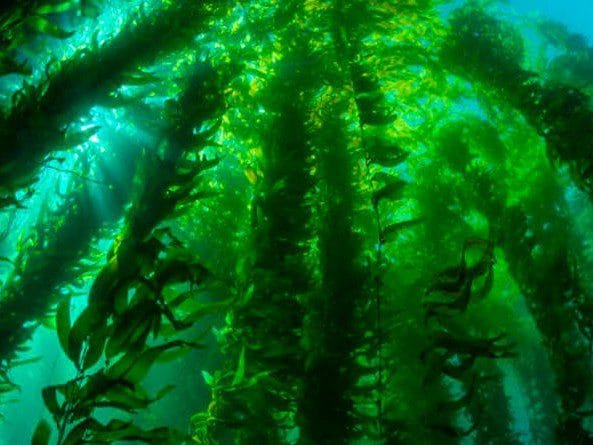
Seaweeds, as photosynthetic organisms, have the ability to convert sunlight into chemical energy. This process is carried out through chlorophyll and other pigments that absorb sunlight, allowing the production of biomass from carbon dioxide and water. This form of photosynthesis results in a renewable energy source that does not compete with terrestrial agriculture. The photosynthetic efficiency of algae allows for rapid growth, making them particularly suitable for biofuel production.
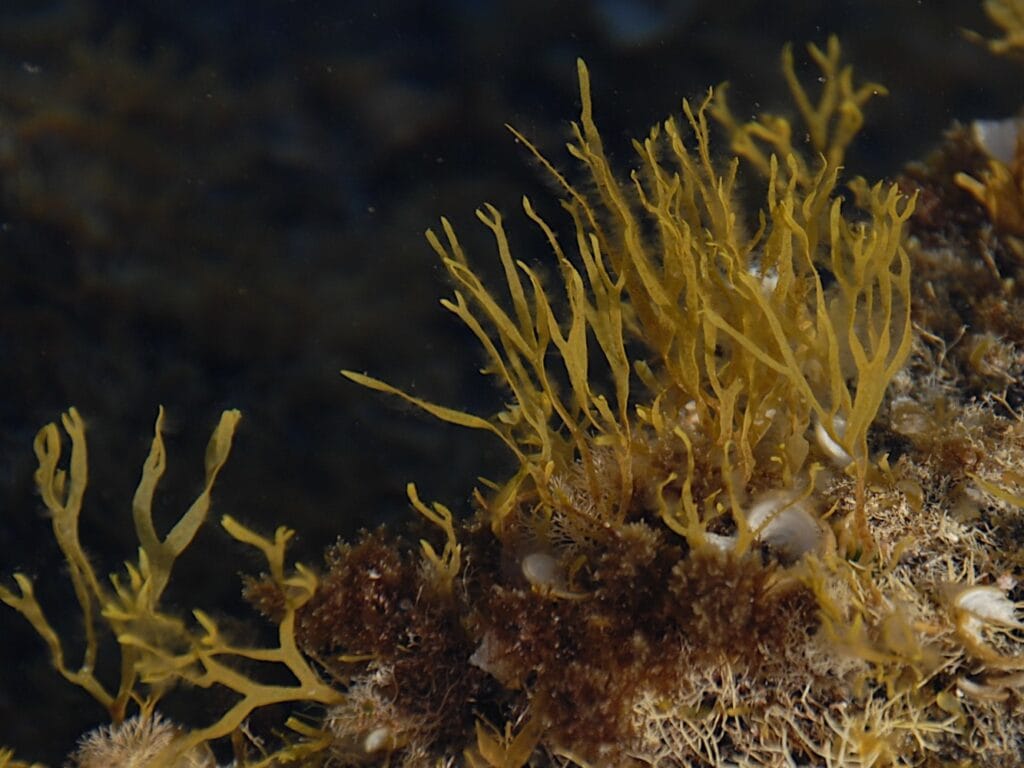
Types of algae in the Canary Islands
The Canary archipelago is home to a diversity of seaweed species, which can be classified into two main groups: macroalgae and microalgae. Each of these types has particular characteristics and different potential applications.
Macroalgae
Macroalgae are multicellular organisms that can be observed with the naked eye and are grouped into three main categories according to their pigmentation:
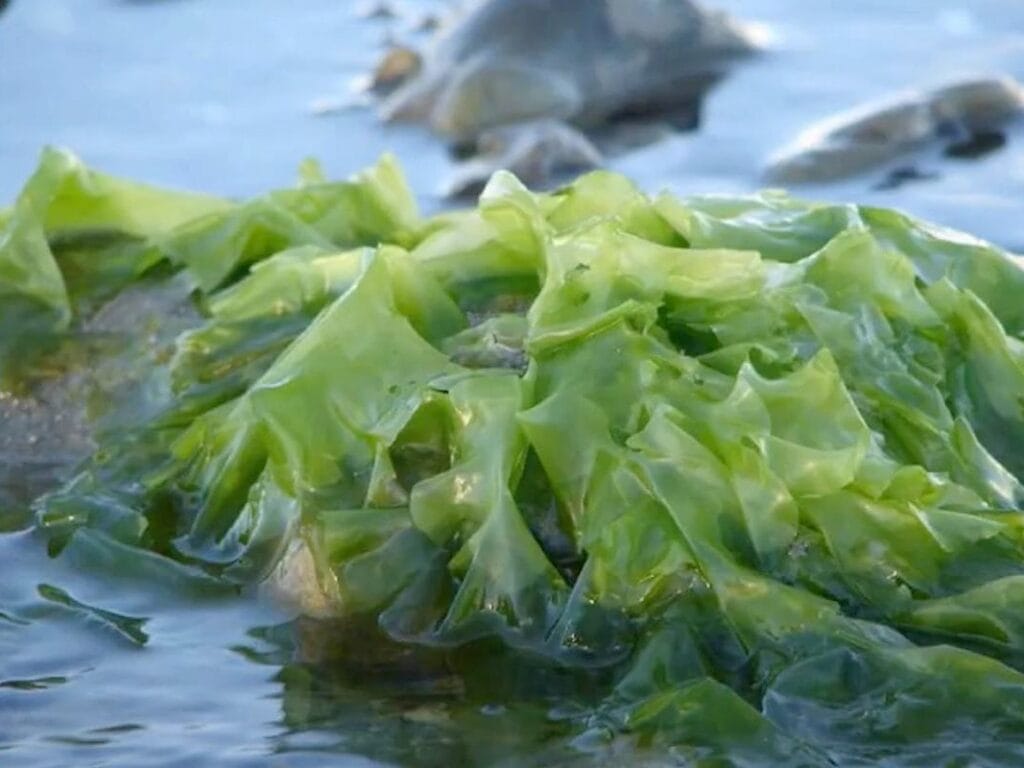
- Green algae (Chlorophytes): They have a green color due to an abundance of chlorophyll and are found in coastal environments.
- Brown algae (Phaeophyceae): Dominate in cold waters and are rich in alginates, being used in the food and pharmaceutical industry.
- Red algae (Rhodophyta): These algae present pigments that allow them to live at greater depths, they are essential in the production of agar and carrageenan.
Microalgae
Microalgae, on the other hand, are single-celled organisms that can be very prolific. Their ability to grow rapidly in diverse marine environments and their high concentration of lipids make them ideal candidates for the production of biodiesel and other bioactive compounds. Some species stand out for their high content of omega-3 fatty acids and antioxidants.
The natural environment of the Canary Islands offers very favorable conditions for seaweed cultivation. Climatic factors and water resources play a crucial role in the potential of these species to develop in the region.
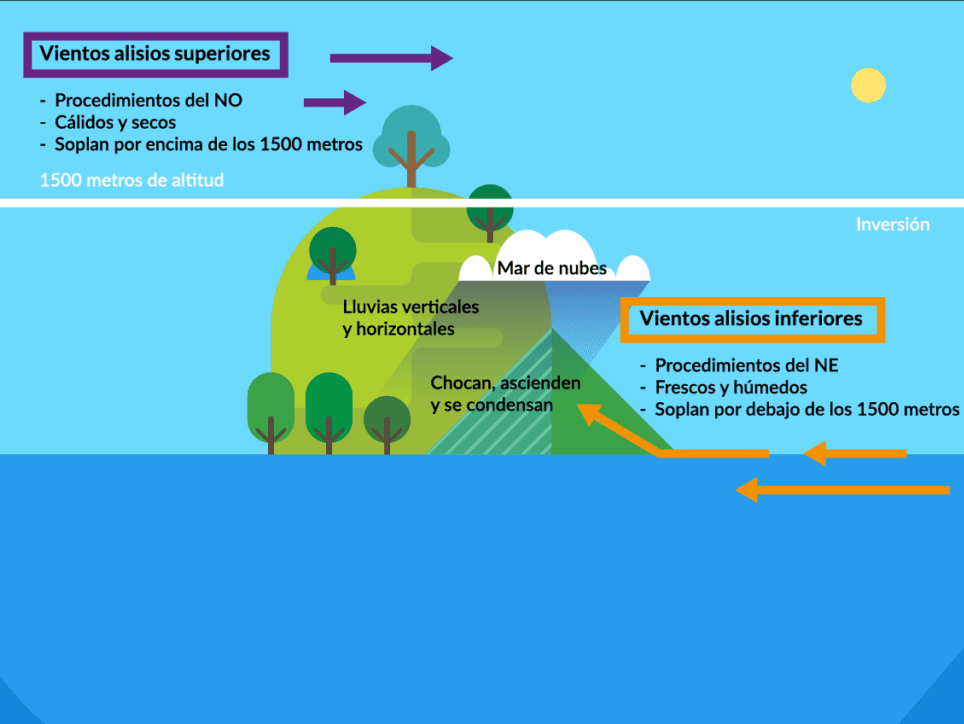
Favorable climatic factors
The Canary Islands have a subtropical climate that favors the growth of marine algae. The moderate temperatures, which generally range between 18 and 25 degrees Celsius, create an optimal environment for photosynthesis, which is essential for the development of these plants. In addition, high solar radiation throughout the year enhances biomass production. Here are some relevant aspects:
- Abundant sunlight: Enables continuous and accelerated growth.
- Stable temperatures: Avoid thermal stress on algae.
- Moderate winds: Contribute to the mixing of marine waters, favoring oxygenation.
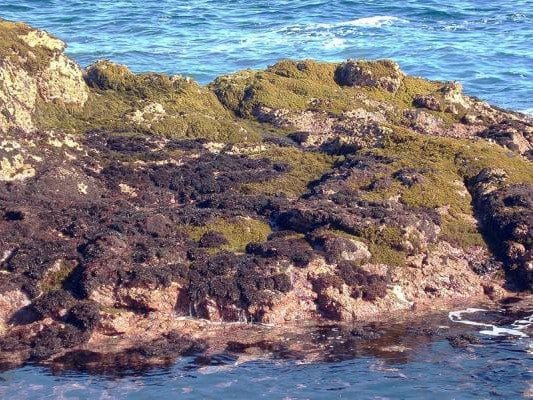
Water and marine resources
The marine wealth of the Canary Islands archipelago represents an invaluable resource for the cultivation of seaweed. The crystalline and nutrient-rich waters allow a robust development of these species. Among the outstanding resources are:
- Availability of mineral-rich water: Fertilizes algae growth.
- Marine currents: They help in the dispersion and exchange of nutrients.
- Adequate coastal spaces: They facilitate the installation of crops without affecting the local ecosystem.
The commitment to sustainability and the responsible use of these resources is essential to ensure the long-term success of seaweed cultivation in the region. The combination of these factors creates an ideal scenario for the Canary Islands to position itself as a benchmark in the production of biofuels from seaweed.
The production of biofuels from algae is consolidating as a sustainable and efficient alternative in today's energy landscape. This process involves the conversion of algal biomass into renewable fuels that can cover part of the energy demand without harming the environment.
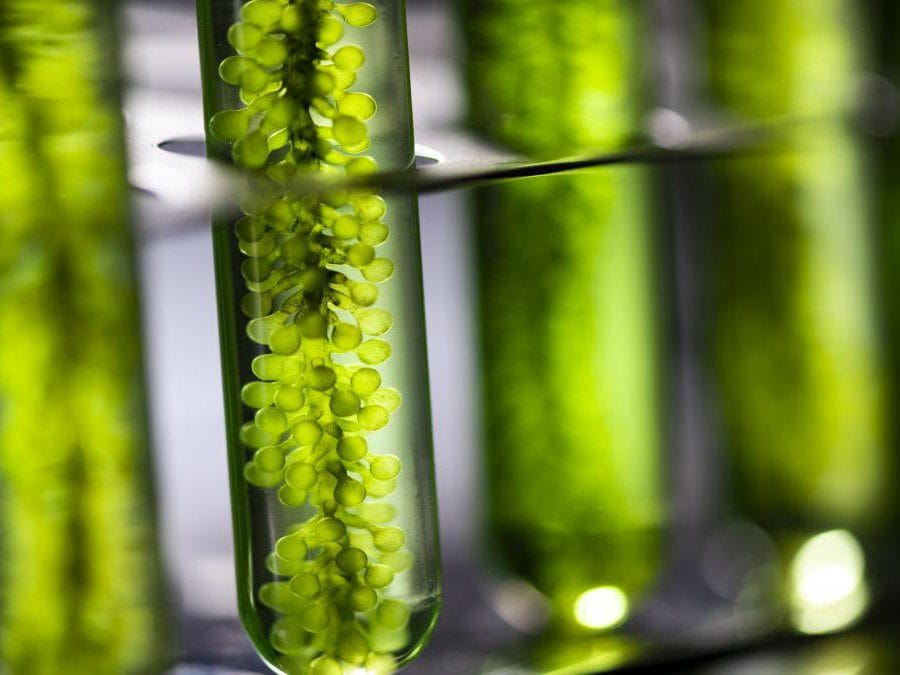
Transformation process
The transformation of algae into biofuels includes several stages that optimize the use of these organisms. Generally, the process can be divided into the following phases:
- Harvesting: The algae are harvested from the crop, using either manual or mechanical methods, depending on the scale of the crop.
- Drying: Once harvested, the seaweed undergoes a drying process to reduce its moisture content. This facilitates their transportation and storage.
- Oil extraction: This is a crucial step where physical or chemical methods are used to extract the lipids present in the biomass. Among the most common methods are solvent extraction and cold pressing.
- Transesterification: The extracted lipids are converted into biodiesel by a chemical process involving the reaction of the oils with an alcohol, usually methanol, in the presence of a catalyst.
- Refining: The biodiesel obtained may require an additional refining process to remove impurities and ensure it meets quality standards.
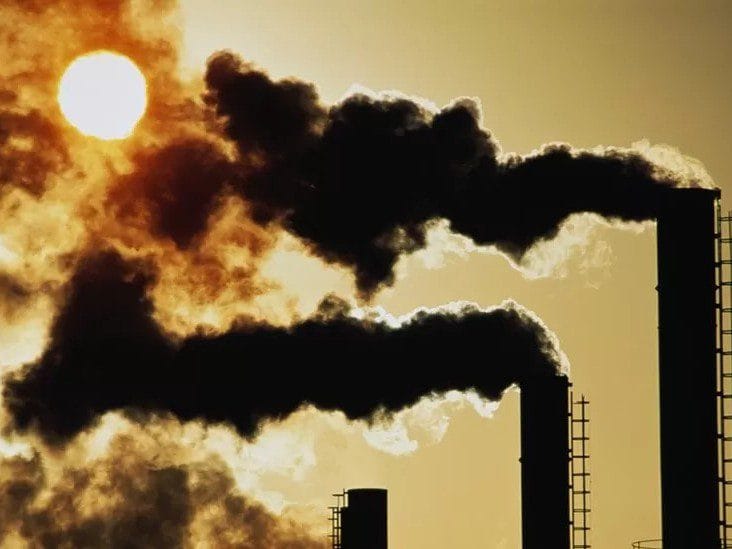
Advantages over fossil fuels
The use of algae-derived biofuels has multiple advantages compared to conventional fossil fuels. Some of the most significant are:
- Sustainability: Algae are renewable sources that can be farmed sustainably, do not affect food crops and require less water resources.
- Emissions reduction: The production and consumption of algae biodiesel contributes to the reduction of greenhouse gases by absorbing CO2 during its growth.
- Rapid growth: Algae can grow at a considerable rate, which allows for a continuous and efficient production of biomass throughout the year.
- Energy diversification: The implementation of biofuels from algae can help diversify energy sources, reducing dependence on fossil fuels.
Current projects and initiatives in the field of seaweed cultivation in the Canary Islands are contributing to the development of this emerging industry. Through collaborations between companies, universities and research organizations, various opportunities and benefits associated with this sustainable cultivation are being explored.
Featured companies in Gran Canaria
Gran Canaria has become a hub of innovation and entrepreneurship in the seaweed sector. Several companies are leading research and production in this area. Among them, Macrocarbon stands out for its commitment to sustainability and the production of biofuels from algae. This company has begun to implement projects that not only seek to develop biodiesel, but also to explore other commercial uses of algae.
Research projects at the ULPGC
The University of Las Palmas de Gran Canaria (ULPGC) plays a fundamental role in research on algae and their potential. In collaboration with various entities, multiple studies have been launched that analyze both local algae species and their industrial applications. This has made it possible to lay the foundations for sustainable growth in the sector.
EcoAqua Institute and its role
The EcoAqua University Institute is key to these initiatives. This institute focuses on marine science and marine biotechnology, contributing significantly to the understanding of macroalgae and microalgae species in the region. Its research is translated into practical applications, helping to inform policies and strategies for algae farming development.
Relevant publications
Scientific publications generated by the EcoAqua Institute and other research centers have revealed important discoveries about the various species of algae in the Canary Islands. These publications serve as a basis for the local scientific and business community, contributing to the creation of a shared knowledge framework and the advancement of marine biotechnology in the region.
Seaweed cultivation provides a number of economic, environmental and social benefits that highlight its relevance in the search for sustainable alternatives to fossil fuels.
Economic
Seaweed production can make a significant contribution to the local economy of the Canary Islands. This emerging sector has the potential to:
- Generate employment: The creation of new companies in the field of seaweed cultivation and processing can open up employment opportunities for the local population.
- Promoting the blue economy: Investment in marine biotechnology and algae products can diversify sources of income in the region.
- Reduce energy dependence: By producing biofuels from algae, the need to import fossil fuels can be reduced, favoring energy sovereignty.
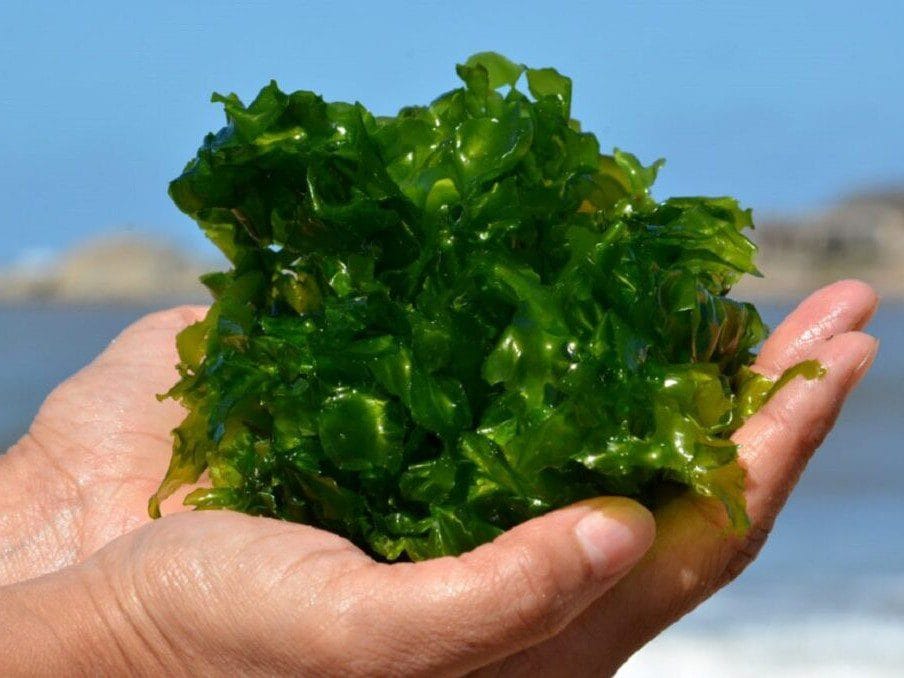
Environmental
The environmental benefits of algae cultivation are equally significant and cover several areas, such as:
- CO2 absorption: Algae perform a photosynthetic process that captures carbon dioxide, contributing to climate change mitigation.
- Improved water quality: Through their growth, algae can help filter pollutants and nutrients, improving the health of marine ecosystems.
- Promoting biodiversity: Seaweed cultivation can be beneficial to marine wildlife, providing habitats and food for a variety of species.
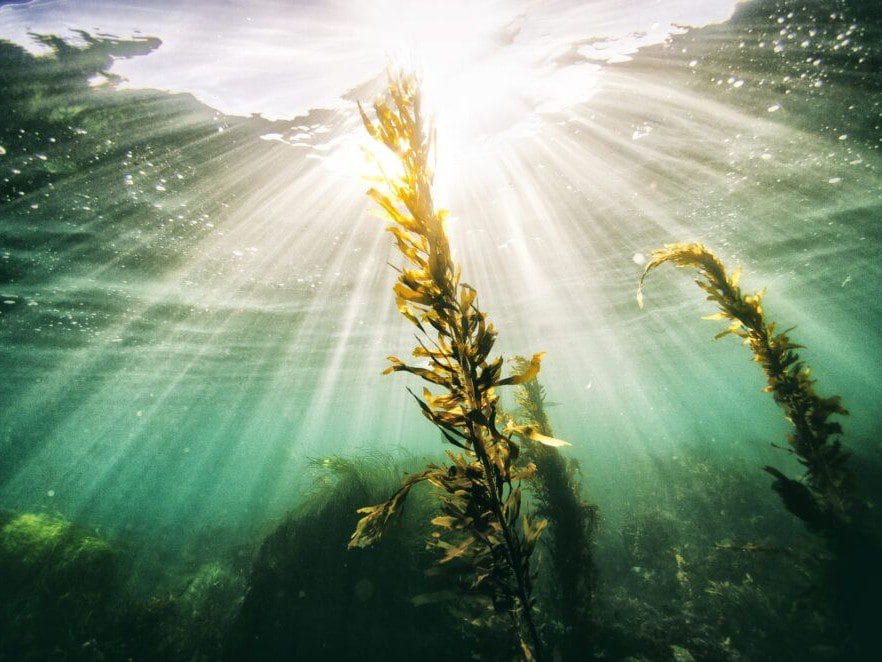
Social
Algae cultivation not only generates economic and environmental benefits, but also has a positive influence on the social structure of the region:
- Education and awareness: Research and development in marine biotechnology fosters educational programs that raise awareness of the importance of sustainable use of marine resources.
- Community participation: Seaweed farming initiatives can involve local communities, promoting collaboration and a sense of belonging among its members.
- Health and well-being: Products derived from algae, such as food supplements and cosmetic products, can contribute to the well-being of the local population.
The seaweed cultivation sector for biofuels faces a number of challenges that must be addressed to achieve its full development. These obstacles can influence both the economic viability of the projects and their integration into the sustainable economy of the Canary Islands.
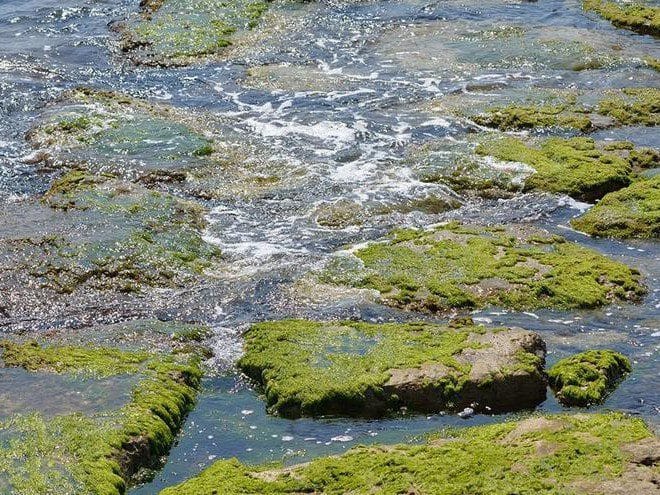
Production and logistics costs
One of the main challenges is the high production cost associated with seaweed farming. This includes expenses for facilities, maintenance and harvesting. Logistics can also increase costs, especially in terms of transporting the algae to processing centers.
- High initial investments for infrastructure.
- Operating costs that exceed those of fossil fuels.
- Challenges in the supply chain to maintain the quality and freshness of seaweed.
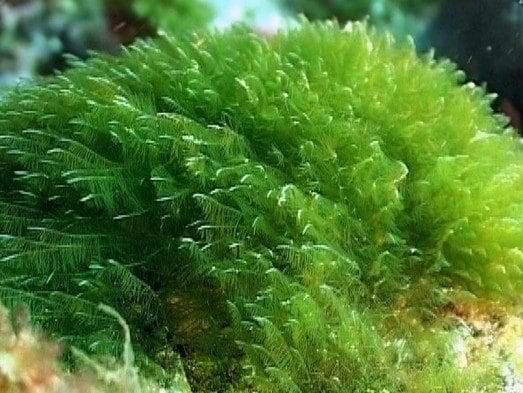
Regulation and institutional support
The lack of a clear regulatory framework can hinder the growth of the sector. It is essential that local authorities develop policies that support marine biotechnology research and development.
- Need for tax incentives to encourage investment.
- Creation of regulations to facilitate the obtaining of permits and licenses.
- Promotion of initiatives to strengthen public-private collaboration in research projects.
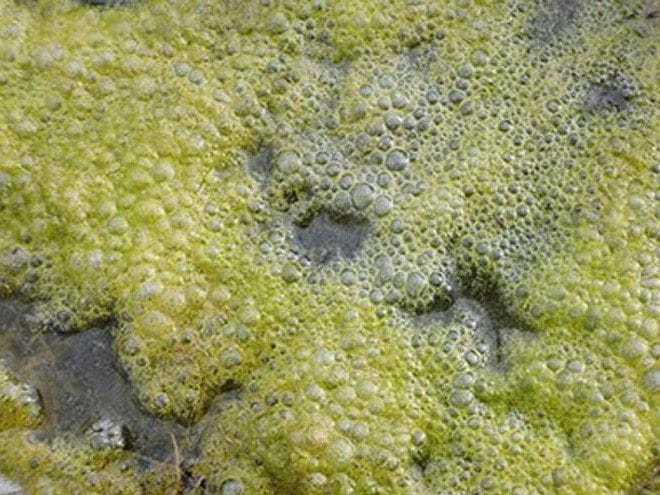
Education and public awareness
Education and awareness-raising are crucial to secure community support and encourage responsible seaweed harvesting. Without a proper understanding of the benefits and potential uses of seaweed, it is difficult to achieve the social acceptance necessary for the growth of the sector.
- Development of educational programs on the value of algae.
- Communication initiatives that explain the positive environmental impact of algae cultivation.
- Encouragement of local participation in research and cultivation projects.
The future of seaweed farming in the Canary Islands is promising, with a growing focus on sustainability and innovation. This sector is expanding, driven by the search for environmentally friendly energy alternatives.
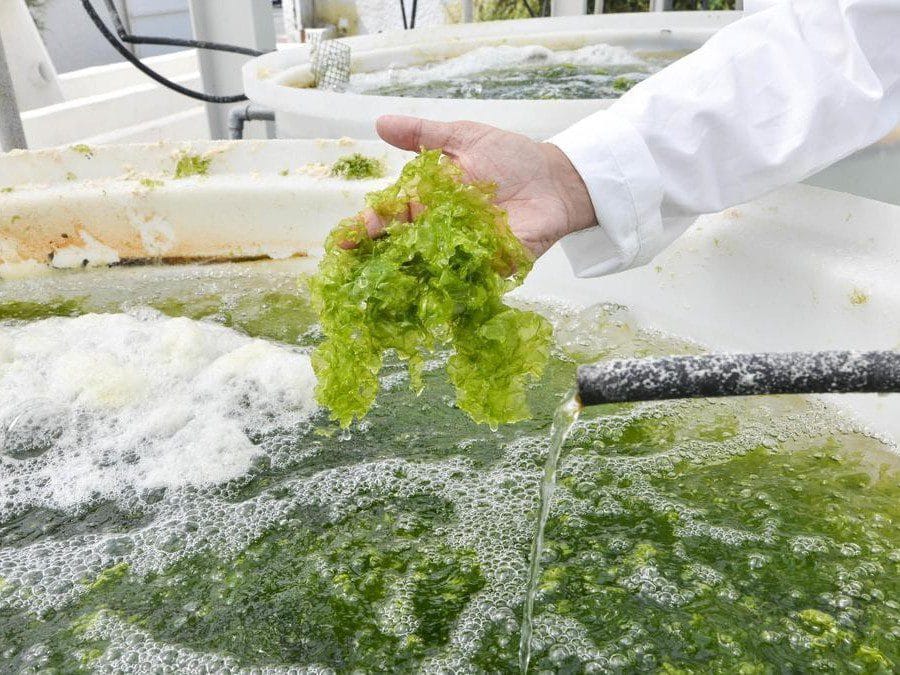
Economic growth potential
The production of seaweed for biofuels has significant potential for economic growth in the region. This sector can generate new jobs in both production and research. Investment in infrastructure and technology is expected to spur the creation of companies dedicated to seaweed cultivation and processing.
- Employment growth in marine biotechnology.
- Development of industries related to sustainable production.
- Limiting dependence on foreign fossil fuels.
Innovation in blue biotechnology
The algae sector in the Canary Islands has a strong focus on biotechnology, with innovations that maximize the use of natural resources. Research and adaptation of new cultivation and extraction techniques are essential to improve efficiency.
- Improvement of cultivation methods to increase production.
- Development of technologies for the conversion of biomass into biofuels.
- Applications in other industries, such as pharmaceuticals and nutrition.
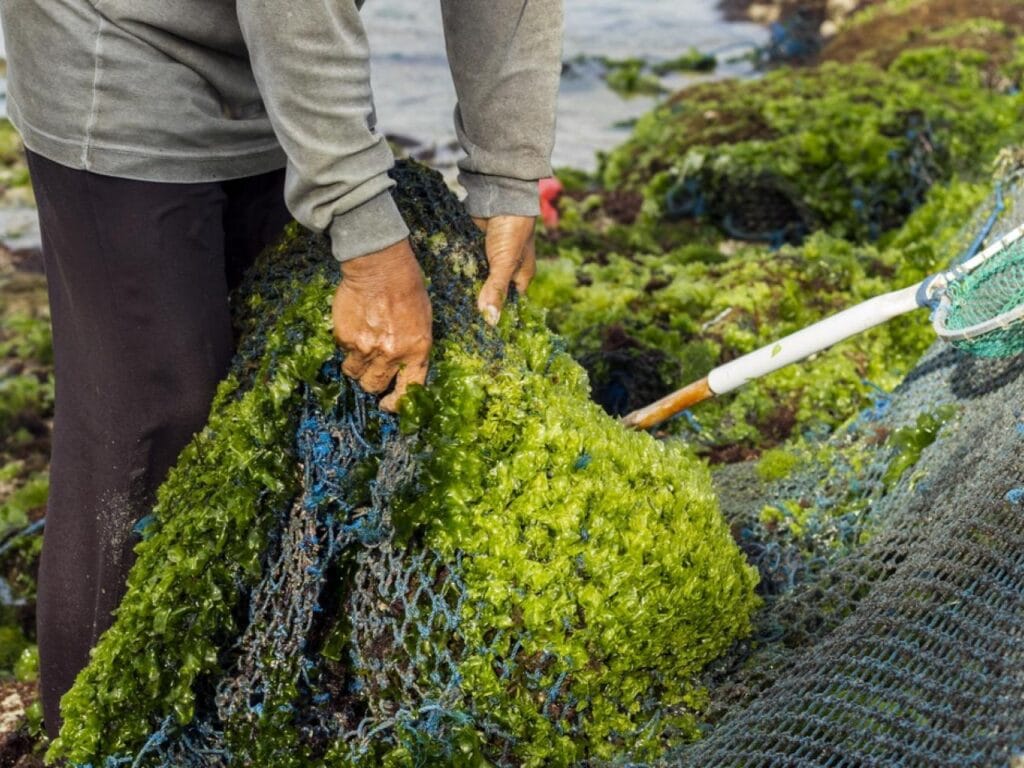
Prospects for international collaboration
International collaboration is crucial for the advancement of seaweed cultivation in the Canary Islands. Partnerships with universities and research centers in other countries can enrich local capabilities and foster knowledge exchange.
- Joint projects that address global challenges such as climate change.
- Exchange of technologies and best practices in algae cultivation.
- Participation in European and international networks and forums.