
Gastronomy of La Palma: Authentic Flavors and Traditions
The gastronomy of La Palma is a rich and varied cultural expression. It is characterized by the use of fresh and local ingredients, often handmade. Typical dishes include fresh fish, gofio and cheeses. Likewise, the influence of different cultures has enriched the cuisine of La Palma over time.
The gastronomy of La Palma is a true reflection of its rural, volcanic and deeply Canarian soul. Each dish blends agricultural tradition, the freshness of the Atlantic and the influences of a multicultural past that has been preserved generation after generation. From homemade mojos and award-winning cheeses to ancestral recipes such as wheat stew or scalded gofio, the cuisine of La Palma conquers with its authentic flavor and its roots in the land.
Through local markets, charming restaurants, family wineries and artisan cheese factories, travelers can savor an island that is lived with all five senses. Discover the star products of La Palma, its most delicious typical dishes and the gastronomic experiences that you cannot miss to connect with the most authentic essence of “La Isla Bonita”.
1. Culinary Specialties of La Palma
The culinary offer of La Palma is a reflection of its rich biodiversity and cultural heritage. Fresh, local ingredients are the protagonists in dishes that combine tradition and flavor.
Local Product Highlights
Bananas and their Culinary Use
La Palma is famous for its bananas, considered one of the best in the world. Its versatility in the kitchen is remarkable, being used in sweet and savory dishes. Among the most popular preparations are fried plantains and ‘polines’, a typical accompaniment to many meals.
Gofio: Millenary Tradition
This ancestral food, made from toasted grains such as wheat or barley, is fundamental in the gastronomy of La Palma. It is used in various recipes, such as ‘escaldón’, a dish that combines gofio with broth and other local ingredients. Its use highlights the connection of the palmeros with their culinary roots.
Artisan Palmero Cheese
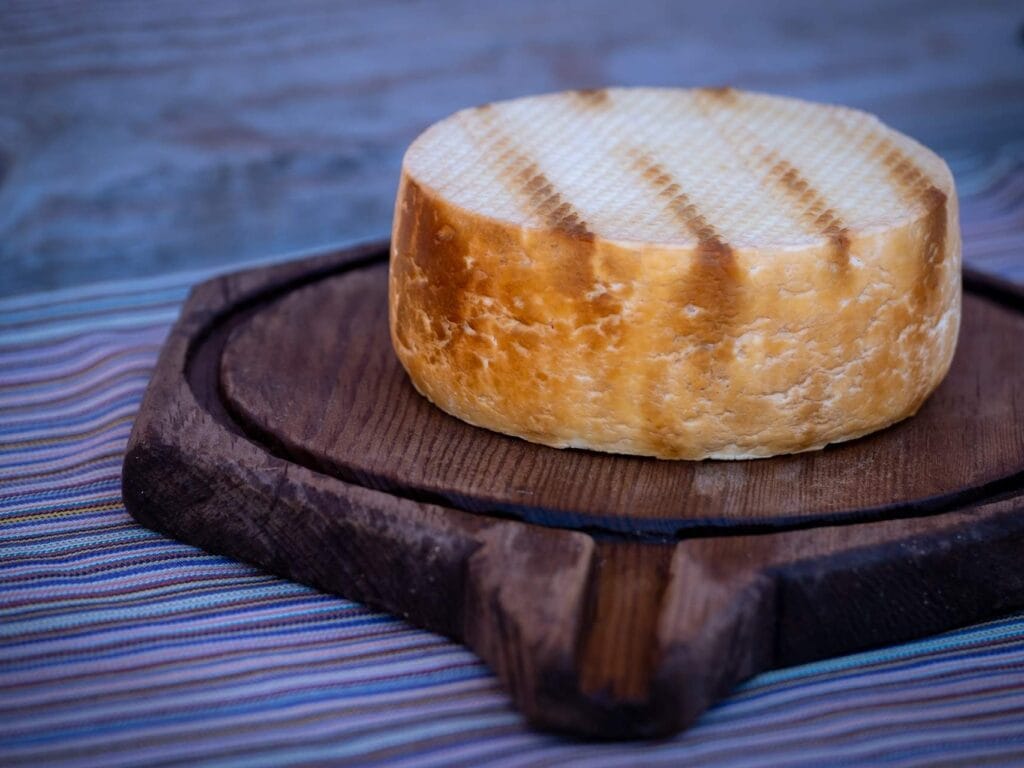
The ‘Queso Palmero’, made from goat’s milk, is a symbol of the island’s dairy tradition. With its Denomination of Origin, this cheese comes in different varieties, from fresh to cured, and stands out for its exceptional flavor and quality.
Unforgettable Typical Dishes
Wrinkled Potatoes with Mojo
Papas arrugadas are an island classic, cooked with salt and served with mojo, a sauce that can be green or red. This dish is an ideal side dish that complements fish or meat meals.
Sancocho and Fresh Fish
Sancocho, a salted fish stew, is one of the most emblematic preparations. Fresh fish from the coast, such as wreckfish or vieja, are prepared in a simple way to highlight their natural flavor, often accompanied by wrinkled potatoes and mojos.
Wheat Stew and Soups
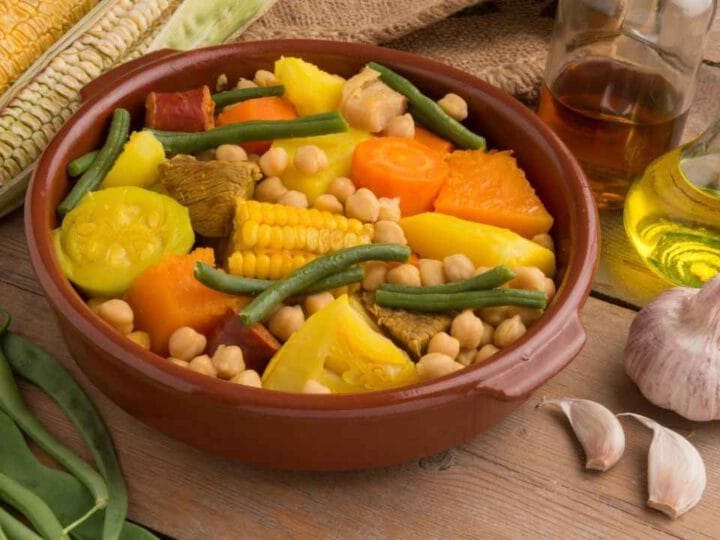
Potaje de trigo is a hearty and comforting dish. It uses local ingredients and reflects the culinary tradition of La Palma. Soups, often made with meat and vegetables, are another essential element in the diet of the Palmeros.

Sweets and Pastries
Bienmesabe and Rapadura
Among the best-known desserts, bienmesabe combines almonds and egg yolks, offering a unique flavor. Rapadura, made with cane honey and almonds, is a traditional sweet that represents the island’s sugar heritage.
Almond Cheese
This dessert, which mixes cheese and almonds, is a must-try treat. Its sweet taste and creamy texture make it a popular choice among dessert lovers.
2. Cultural Influence on Palmeran Gastronomy
The gastronomy of La Palma is the result of a rich melting pot of cultural influences that have shaped its culinary identity over the years. The mixture of tradition and modernity is palpable in every dish.

Fusion of Flavors and Cultures
Aboriginal and Castilian influences
The indigenous peoples of La Palma contributed knowledge about the cultivation of food and the use of native ingredients. The subsequent arrival of the Castilians introduced new techniques and flavors, enriching the culinary culture of the island. This exchange is reflected in the variety of dishes that combine local products with cooking techniques from the mainland.
Portuguese and Latin American Heritage
The Portuguese influence is noticeable in some preparations and in the use of certain spices. On the other hand, contact with Latin America has brought transformation and new interpretations to traditional recipes. The integration of Latin American flavors has further diversified the gastronomic offer, allowing the creation of unique dishes that honor the roots of La Palma.

Culinary Traditions and Modernization
Craft Techniques
The production techniques for products such as gofio and palmero cheese have been maintained over time with an artisanal approach. These practices reflect the commitment of local producers to quality and tradition, ensuring that each product retains its essence.
Gastronomic Innovations
Modernization has also left its mark on the cuisine of the island. Many chefs have begun to reinterpret classic dishes, using local ingredients to create contemporary culinary experiences. This evolution keeps tradition alive while adapting to current trends, making La Palma’s gastronomy dynamic and relevant today.
La Palma offers a variety of wines and beverages that reflect its viticultural richness. The tradition of winemaking on the island goes back centuries, growing grapes in a privileged environment due to its climate and volcanic soil.
3. Wines and Beverages from La Palma
The gastronomy of La Palma is the result of a rich melting pot of cultural influences that have shaped its culinary identity over the years. The mixture of tradition and modernity is palpable in every dish.

Vineyard and Wine Varieties
The diversity of vineyards in La Palma allows the production of unique wines, adapted to the characteristics of the terrain and climate. Among the most outstanding are:
Malvasia wines
The most emblematic wine variety of the island is Malvasia. Renowned for its sweetness and complexity of aromas, this wine is perfect to accompany both savory dishes and desserts. Its history dates back to the time of the conquistadors, being highly appreciated in Europe.
Tea Wines in Pine Barrels
Another unique characteristic of La Palma is the elaboration of wines in tea barrels, a type of Canary pine wood. This process gives the wines a distinctive touch and aromatic character that differentiates them from others. This technique is representative of the local winemaking tradition.

Tasting Experiences
Wine lovers can enjoy various wine tasting experiences in La Palma. These visits offer an opportunity to learn more about the elaboration and characteristic flavors of the island’s wines.
Winery Visits
The wineries of La Palma open their doors to curious visitors. Through guided tours, you can observe the production process, from harvesting to bottling. Many of these wineries offer tastings that allow visitors to try the different varieties of La Palma wine.
The House of Wine
This center is dedicated to the promotion of local wine, offering a wide selection to taste and buy. At La Casa del Vino, visitors can learn about the history of Palmas viticulture and enjoy educational tastings that highlight the richness of the island’s wines.
4. Gastronomic Experiences on the Island
La Palma offers a variety of experiences that allow visitors to immerse themselves in its rich culinary culture.

Culinary Routes
Exploring the culinary routes of La Palma is an excellent way to taste the local gastronomy and get to know its flavors in depth.
Farmers' Markets
Farmers’ markets are an essential stop. Here you can find fresh and seasonal products, such as fruits, vegetables and handmade cheeses. This type of event offers an authentic experience, where local producers share their passion for the countryside.
Recommended Local Restaurants
The island has a diversity of restaurants that stand out for offering traditional dishes and innovative proposals. Some of the most outstanding include rustic dining rooms and haute cuisine places, each with its own charm. Enjoying ‘papas arrugadas’ or ‘sancocho’ in these places is a must.

Gastronomic Events
Gastronomic events are at the heart of the culture of the island and are ideal moments to enjoy the typical food of the island.
Almond Blossom Festival
During this festival, the island fills with life and color. Visitors can taste dishes made with almonds and enjoy cultural and musical activities. It is a celebration that highlights the importance of this fruit in the local gastronomy.
Grape Harvest Celebrations
The grape harvest is another key festivity, where the wine harvest is celebrated. During these celebrations, attendees can enjoy tastings of local wines and typical dishes. It is a perfect opportunity to appreciate the wine legacy of La Palma.
5. Impact of the Environment on the Kitchen
The local gastronomy reflects to a great extent the natural richness of La Palma. The environment, marked by its geography and climate, notably influences the ingredients and culinary preparations of the island.

Influence of Nature
Impact of Volcanic Soil
The volcanic soil of La Palma is fundamental for the development of varied and quality crops. This type of soil provides essential nutrients that improve the flavor and properties of agricultural products, such as bananas and gofio. Likewise, agriculture benefits from optimal natural irrigation, which contributes to a sustainable and richly nuanced production.
Sea and Coastal Ingredients
The proximity to the Atlantic Ocean ensures a constant supply of fresh marine ingredients. Fish such as tuna, vieja and wreckfish are essential to the local diet. The clean, nutrient-rich waters contribute to the quality of the fish, which is simply prepared to highlight its freshness. Popular preparations include sancocho and fried fish, which are combined with fresh garnishes such as wrinkled potatoes.

Tradition and Modernity in Manufacturing
Typical Food and Tourism
The traditional cuisine of La Palma has been kept alive through generations, maintaining culinary practices that highlight the authenticity of the flavors. With the rise of tourism, many restaurants have begun to incorporate contemporary cultural elements into traditional dishes. This offers visitors an authentic experience adapted to new gastronomic trends.
Conservation of Authentic Flavors
The coexistence of the ancient and the modern is also seen in the recovery of traditional culinary techniques. Artisans and chefs work to preserve ancestral recipes, ensuring that the island’s culinary legacy lives on. This approach not only honors the roots of the island’s gastronomy, but also educates future generations about the importance of culinary heritage.