
Mycorrhizal network or wood wide web: the vital connection between plants and fungi
The mycorrhizal network, also known as the wood wide web, is a natural system that allows communication and nutrient exchange between plants by fungi. This symbiotic relationship is essential for the health of forest ecosystems. Mycorrhizal fungi spread through the soil forming hyphae, which connect the roots of different plants. Through this intricate system, plants can share resources and signals, which contributes to their well-being and survival.
The mycorrhizal network, also known as the Wood Wide Web, is a subway communication system that connects trees and plants through fungi. This natural web allows the exchange of nutrients, water and information, promoting ecosystem health and forest resilience.
Research has revealed that certain plant species use this network to warn of threats or share resources with other plants. Their study is key to understanding interdependence in nature and their role in soil regeneration and biodiversity.
- 1. The mycorrhizal network: a natural communication system.
- 2. Types of mycorrhizae and their function in the ecosystem
- 3. Benefits of the mycorrhizal network for forests
- 4. Importance of the wood wide web in the fight against climate change.
- 5. Human threats to the mycorrhizal network
- 6. Current and Future Research on Mycorrhizal Networks
1. The mycorrhizal network: a natural communication system.
The mycorrhizal network is presented as a fascinating mechanism of interaction in the plant kingdom. Through this network, plants establish vital connections with fungi, achieving a communication and collaboration essential for their survival.
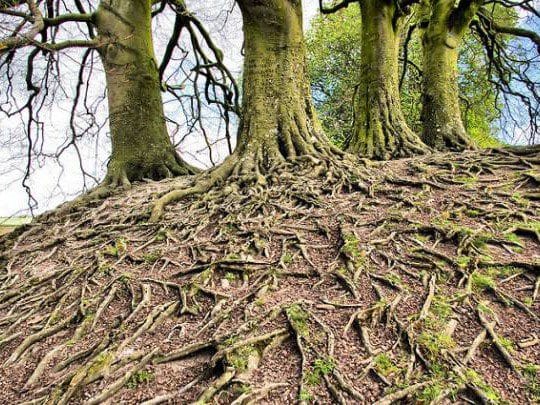
How plants use the hyphal network
Hyphae, the filamentary structures of fungi, extend through the soil and intertwine with plant roots. This contact allows plants to access nutrients and water, even in areas where their roots could not reach. Through this connection, plants can:
- Increase mineral absorption.
- Send signals about adverse environmental conditions.
- Establish supportive relationships between nearby species.
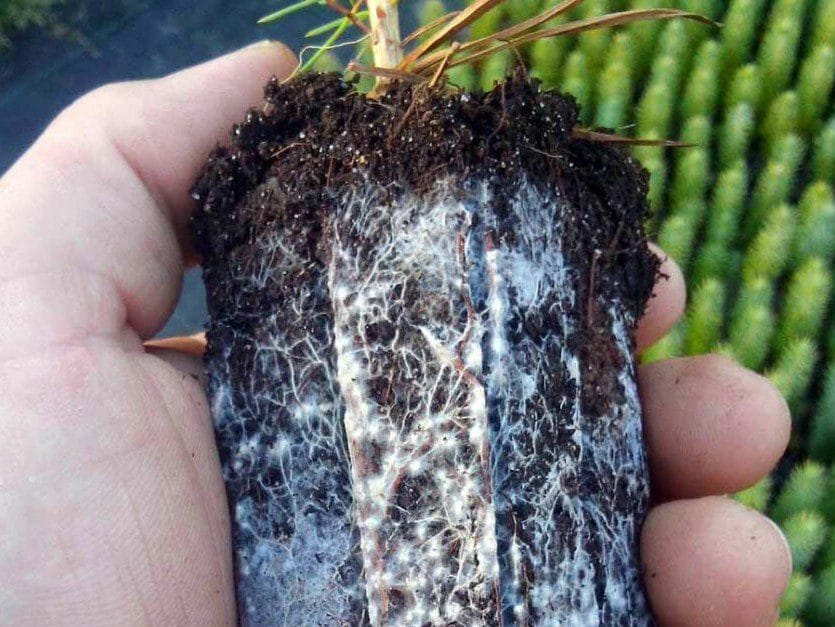
The role of fungi in nutrient transfer
Mycorrhizal fungi play a crucial role in the mobilization of nutrients such as nitrogen and phosphorus. In addressing how these fungi function, it is observed that:
- They facilitate the decomposition of organic matter.
- They transform nutrients into forms that can be assimilated by plants.
Thus, a cycle of resource supply is created that benefits both the fungi and the associated plants.
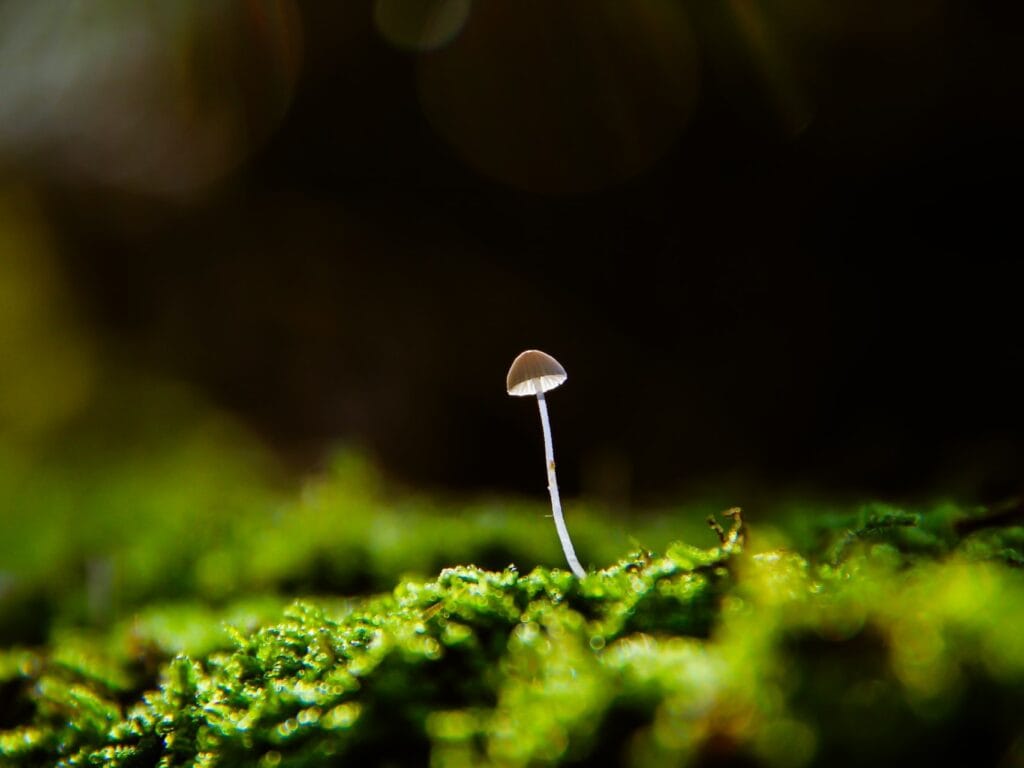
Comparison with the Internet model
The term ‘wood wide web’ resonates with the concept of the Internet, as both systems enable communication and information exchange. As in the digital network, where data flows between devices, in the mycorrhizal network chemical compounds travel through hyphae, facilitating surprising interactions between species. This similarity highlights the complexity and interconnectedness of life in natural ecosystems.
2. Types of mycorrhizae and their function in the ecosystem
Mycorrhizae are fundamental symbiotic associations in the ecosystem, where fungi and plants interact in many different ways. These relationships are crucial for soil health and plant growth.
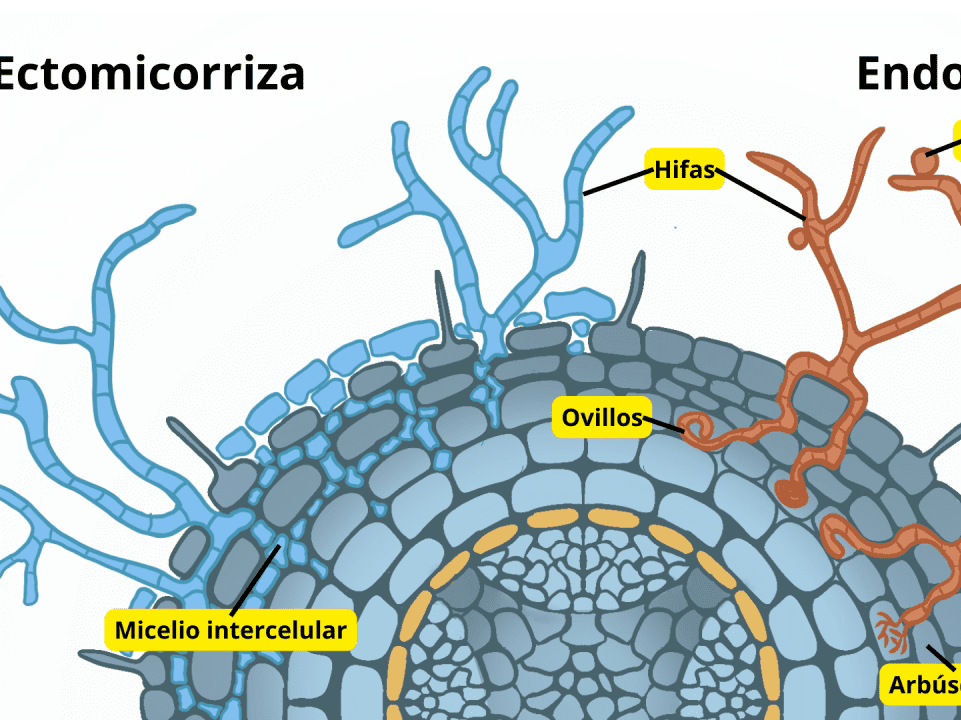
Ectomycorrhizae and endomycorrhizae
There are two main types of mycorrhizae: ectomycorrhizae and endomycorrhizae. Ectomycorrhizae develop on the surface of the roots, forming a layer that prevents water loss and improves nutrient absorption. On the other hand, endomycorrhizae penetrate inside the root cells, allowing a closer exchange of resources. This type of mycorrhizae can be critical in nutrient-poor soils.

Arbuscular mycorrhizae and their impact
Arbuscular mycorrhizae are a specific type of endomycorrhizae. These fungi generate specialized structures called arbuscules, which increase the contact surface between the fungus and the root, optimizing the absorption of phosphates and other minerals. This process not only nourishes the plant, but also improves soil structure, facilitating the development of other plant species.
Mycelium and symbiotic relationships
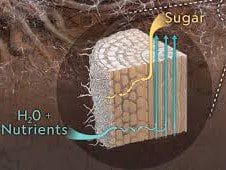
The mycelium, which are the hyphae of the fungus, weaves a complex network in the soil, connecting multiple plants. This network allows transfers of nutrients and chemical compounds, favoring symbiotic interactions. These relationships ensure plant survival and resilience, especially in adverse conditions, by allowing shared access to essential resources.
3. Benefits of the mycorrhizal network for forests
The mycorrhizal network offers numerous benefits crucial to the health and functionality of forest ecosystems. This interconnection between plants and fungi promotes a balance that enhances the sustainability and overall well-being of the forest.
Contribution to sustainability and biodiversity
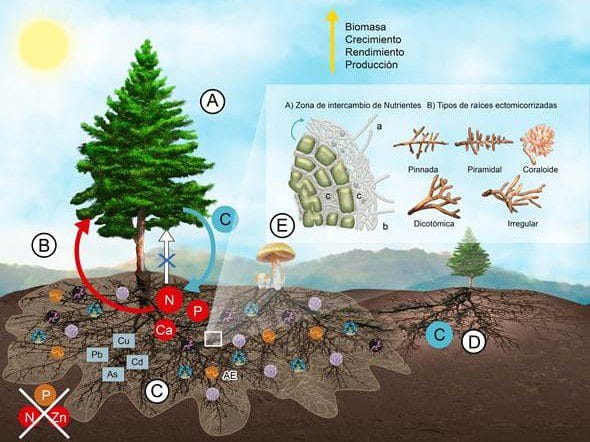
Mycorrhizal associations are essential for forest sustainability. They allow the coexistence of diverse plant species, which maximizes biodiversity. This enrichment of the ecosystem favors stability, which is fundamental for resilience to environmental changes.
Forest regeneration and carbon sequestration
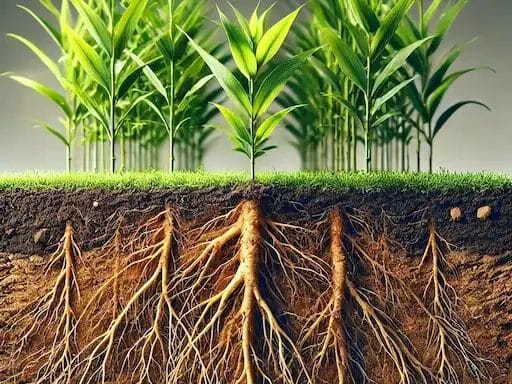
Mycorrhizal networks play a significant role in forest regeneration. They facilitate carbon sequestration, which helps combat climate change. Thanks to their ability to connect multiple plants, they optimize resource use and promote healthy tree growth, contributing to the absorption of CO2 from the atmosphere.
Providing nutrients under adverse conditions
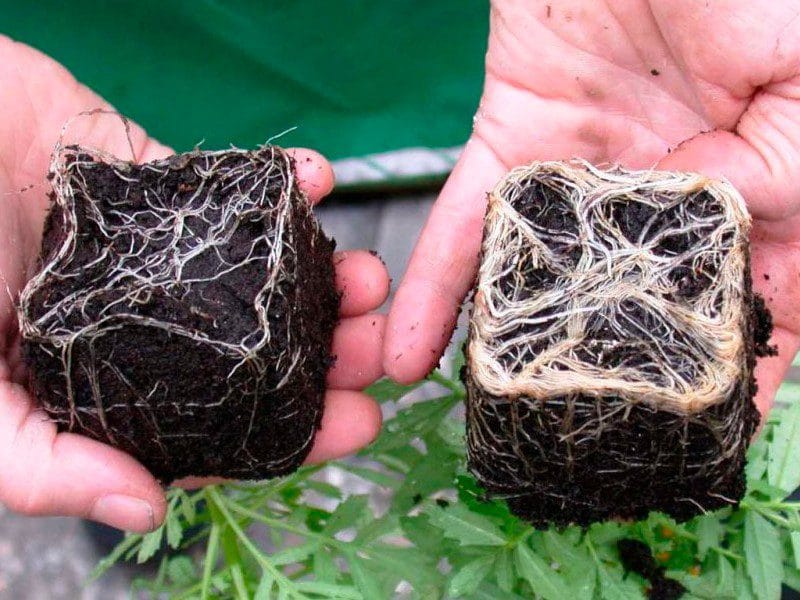
Mycorrhizae are also essential in situations of environmental stress. Through their extensive network of hyphae, these associations enable plants to access otherwise inaccessible nutrients, such as phosphorus and nitrogen, even in poor soils. This is essential for species survival in unfavorable environments and contributes to ecosystem stability.
4. Importance of the wood wide web in the fight against climate change.
The mycorrhizal network plays a crucial role in climate change mitigation. It establishes important connections between plants, contributing to carbon sequestration and improving forest health.

Carbon transfer and global warming mitigation
Mycorrhizae facilitate the transfer of carbon between plants through their hyphae. This process not only helps plants to obtain nutrients, but also allows greater amounts of carbon to be stored in the soil. This reduces the concentration of CO2 in the atmosphere, which contributes to mitigating global warming.

Role of mycorrhizal networks in forest resilience
Mycorrhizal networks increase the resilience of forest ecosystems to climate change. By interconnecting different plant species, these networks allow plants to better adapt to environmental variations. In stressful situations, such as drought or pests, plants can support each other, improving their survival and that of the ecosystem as a whole.
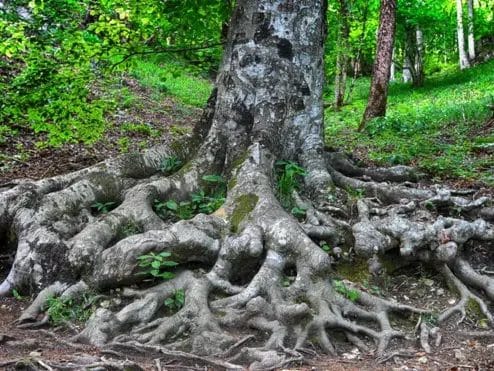
Promote regeneration after disturbances
Mycorrhizae are essential for the regeneration of forests after disturbances, such as fires or human activities. They facilitate the growth of new plants by providing them with the essential nutrients they need in the recovery process. Thanks to these networks, forests can restore their balance and functionality more quickly.
5. Human threats to the mycorrhizal network
Human activities present various threats to the integrity of mycorrhizal networks. These interventions can interfere with the complex relationships between plants and fungi, affecting the health of the ecosystem.
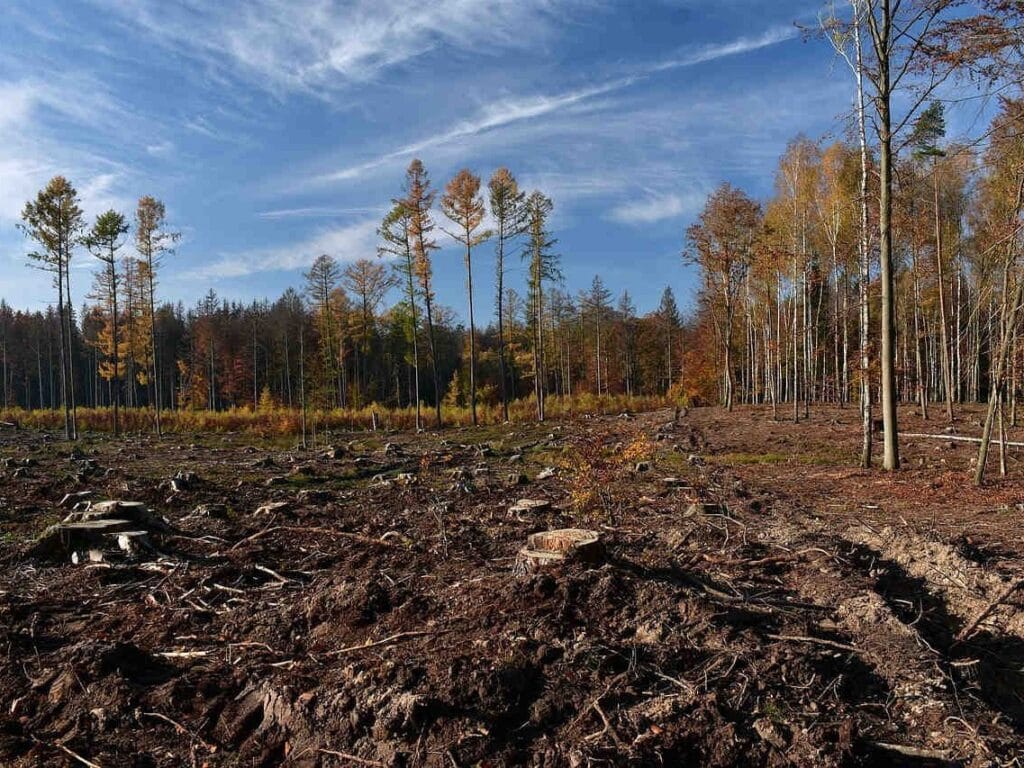
Effect of deforestation on the groundwater network
Deforestation causes the loss of large areas of forest, radically damaging mycorrhizal networks. When trees are cut down, not only is the individual destroyed, but the connection with other nearby plants is disrupted. This impact can trigger a domino effect that decreases biodiversity and the resilience of the ecosystem.
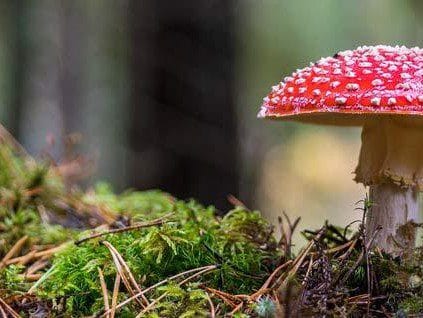
Impact of mushroom harvesting
Unsustainable mushroom harvesting has adverse effects on mycorrhizal networks. Extracting fungi without considering their ecological function can damage hyphae, which are critical for nutrient and signal transfer. Preservation of these structures is vital for maintaining the health of associated plants and the ecosystem as a whole.
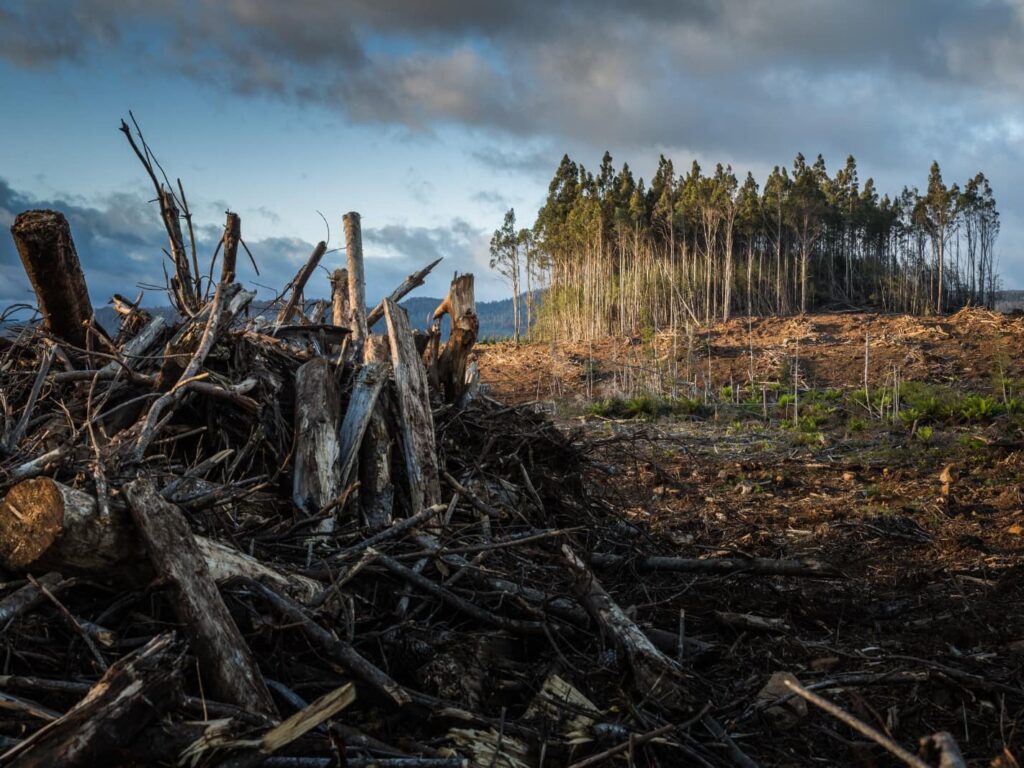
Implications for fungal-plant interactions.
Human threats disrupt symbiotic interactions between fungi and plants. When these links are weakened, plants lose access to critical resources and natural defenses against pathogens. This can lead to a health crisis within the forest, affecting not only individual species, but also the overall structure of the ecosystem.
6. Current and Future Research on Mycorrhizal Networks
Research on mycorrhizal networks has advanced considerably, revealing the complexity and vitality of these connections in ecosystems. As new interactions and compounds are discovered, opportunities for more sustainable and effective practices are opening up.

Advances in the study of compounds and signals
Recent studies have focused attention on identifying chemical compounds that plants and fungi use to communicate. These signals are crucial for triggering defense responses in plants and optimizing nutrient exchange. Researchers use advanced chemical analysis techniques to decipher how these signals are transmitted through mycorrhizal networks, providing a clearer understanding of how they function.
Innovations in conservation and restoration practices
Mycorrhizal network management is also evolving. Some innovations include:
- Use of mycorrhizal fungal inoculants in reforestation to improve the establishment of new plants.
- Development of management strategies that include the promotion of soil health and microbial biodiversity.
- Research on the use of mycorrhizal fungal species that improve disease resistance in commercial crops.

How to ensure the health of mycorrhizal networks
The conservation of mycorrhizal networks involves identifying and mitigating the threats they face. Some recommended practices are:
- Regular monitoring of fungal biodiversity in forest ecosystems.
- Protection of sensitive areas from harmful human activities, such as indiscriminate logging.
- Implementation of policies that favor habitat conservation and environmental education.
These actions are essential to ensure the health and functionality of mycorrhizal networks in the future.