
The best museums in Lanzarote to discover its culture
Lanzarote has a rich cultural offer through its museums. These spaces allow you to explore the history, tradition and art of the island. From aviation to piracy, each museum offers unique exhibits. The variety of themes attracts visitors interested in learning more about Lanzarote's heritage.
Lanzarote’s museums are a gateway to the cultural and natural soul of the island. They reflect its volcanic heritage, its insular identity and the link between art and territory. Spaces such as the Casa-Museo del Campesino, the MIAC – Castillo de San José or the Museo Agrícola El Patio allow visitors to explore traditions,
history and local artistic expressions. Many of these centers combine unique architecture with permanent and temporary exhibitions, workshops and activities for all ages. Visiting Lanzarote’s museums is an enriching way to understand the evolution of the island and its commitment to preserving its identity.
- 1. The 15 best museums in Lanzarote
- 2. Casa Museo de César Manrique
- 3. Casa Museo del Campesino
- 4. Museo Atlántico en Playa Blanca
- 5. Museo Lagomar
- 6. Museo Etnográfico Tanit
- 7. Casa-Museo José Saramago
- 8. Museo Internacional de Arte Contemporáneo Castillo de San José
- 9. Museo Aeronáutico de Lanzarote
- 10. Museo del Timple
- 11. Museo Arqueológico de Arrecife
- 12. Museo de la Piratería en el Castillo de Santa Bárbara
1. The 15 best museums in Lanzarote
2. Casa Museo de César Manrique
The Casa Museo de César Manrique is a tribute to one of Lanzarote's most influential artists. This space reflects the deep connection that Manrique had with nature and his unique aesthetic vision through his work and life.

Life and work of Manrique
César Manrique’s legacy goes beyond architecture; it is rooted in his commitment to Canarian culture and the conservation of the natural environment. During his lifetime, Manrique promoted a lifestyle in harmony with the landscape, creating works that integrate the artistic with the natural. His house, where he lived and worked, is full of his essence and creativity.
Collections and Exhibitions
- Guanche rock art.
- Pre-Hispanic utensils.
- Ceramics and traditional clothing.
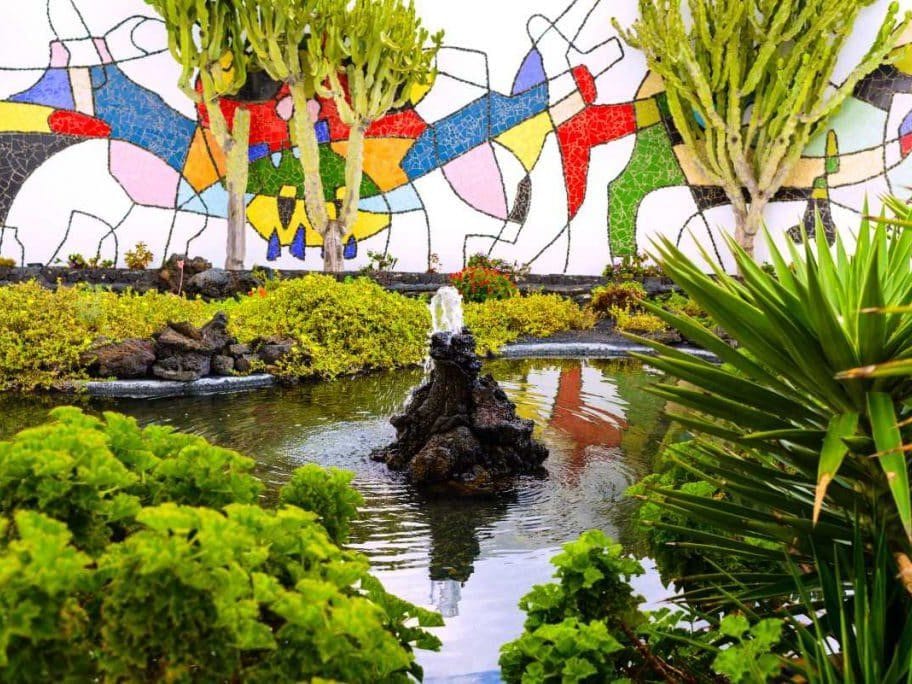
Architectural design
The house, built in a series of lava bubbles, stands out for its innovative and avant-garde design. The spaces are designed to dialogue with the environment, using local materials and respecting the volcanic topography. The fusion between the interior and exterior is a key feature, allowing natural light to flood every corner.
Design features
- Use of large windows that connect to the exterior views.
- Integration of natural elements in the structure.
- Open spaces that encourage circulation and connection with nature.
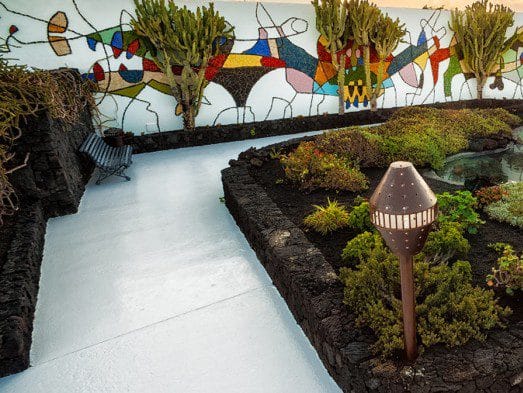
Integration with nature
Manrique’s ecological concept is reflected in the layout of the house and its relationship to the surrounding landscape. Each room offers breathtaking views of the vegetation and volcanic formations, highlighting the natural beauty of Lanzarote. This approach has set a precedent in sustainable architecture.
Importance of local flora
- Gardens full of native species that enhance biodiversity.
- Water elements that symbolize harmony with the environment.
- Preservation of the original vegetation as part of the design.
3. Casa Museo del Campesino
The Casa Museo del Campesino is a space that pays tribute to the traditional and agricultural life of Lanzarote. Inaugurated in 1968, this museum highlights the importance of the peasant culture in the history of the island.

Tribute to rural life
This museum is dedicated to preserving and promoting the rural traditions that have characterized Lanzarote over the years. The exhibition offers a comprehensive overview of the island’s agricultural past, showing how the inhabitants depended on the land for their livelihood. Visitors can learn about ancient agricultural techniques, typical crops and the role of livestock in the local economy.

Design by César Manrique
The design of the Casa Museo del Campesino is the work of renowned artist and architect César Manrique, who sought to integrate the structure into the natural landscape. The museum’s architecture combines traditional Canarian elements with contemporary aesthetics, creating a welcoming and harmonious environment.

Catering and gastronomy
Inside the museum, there is a restaurant that offers typical dishes of Lanzarote’s gastronomy. This space not only allows you to enjoy a good meal, but also highlights the culinary culture of the island. The recipes reflect the use of local ingredients, showing the connection between the land and the table.
- Dishes prepared with fresh local products.
- Opportunities to taste local wines.
- An environment that complements the cultural experience of the museum.
4. Museo Atlántico in Playa Blanca
The Museo Atlántico, located in Playa Blanca, is a unique attraction that combines art and nature in a breathtaking underwater environment. This space offers a unique experience where art merges with the ocean, creating a vibrant ecosystem.
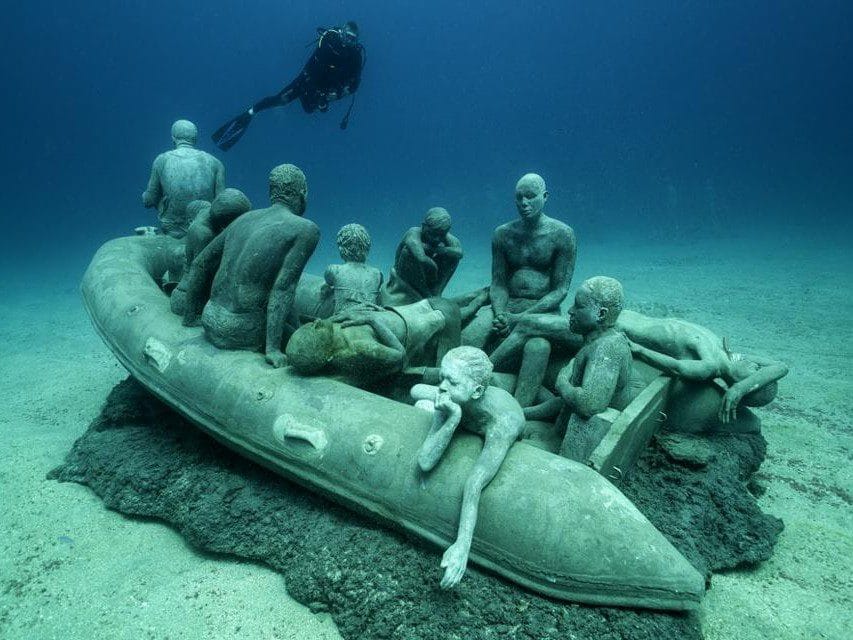
Sculptures by Jason deCaires Taylor
The Atlantic Museum’s sculptures are the work of British artist Jason deCaires Taylor. His underwater installations are designed to interact with the marine environment, providing a space where art and marine life coexist. The figures resemble human beings in different positions, prompting reflection on the relationship between humanity and nature.

Marine ecosystem
This museum is not only a tribute to contemporary art, but also acts as an artificial habitat. The sculptures are designed to encourage the growth of algae and corals, thus contributing to the local marine ecosystem. By becoming a refuge for various species of fish and other organisms, a microcosm is established that respects and enhances marine biodiversity.

Diving experience
One of the most exciting activities offered by the Atlantic Museum is the scuba diving experience. Visitors can dive into its crystal clear waters to appreciate the impressive sculptures up close and observe the underwater life in its natural environment. Diving excursions are guided, which ensures safety and provides information about the different sculptural and ecological aspects of the museum.
5. Museo Lagomar
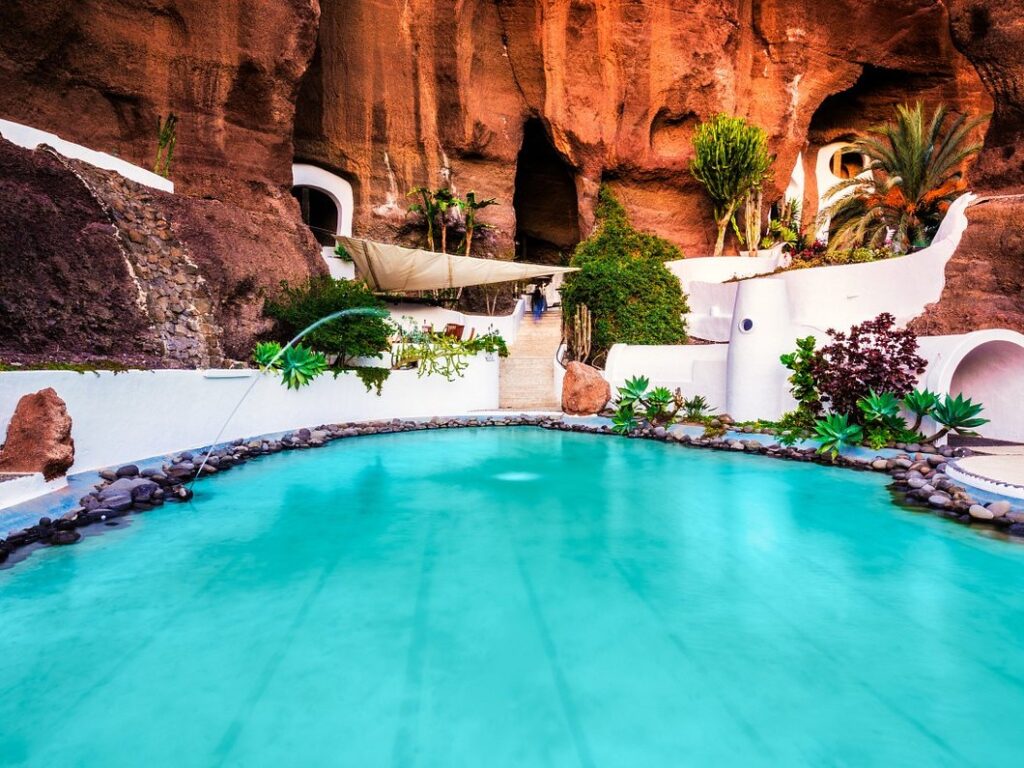
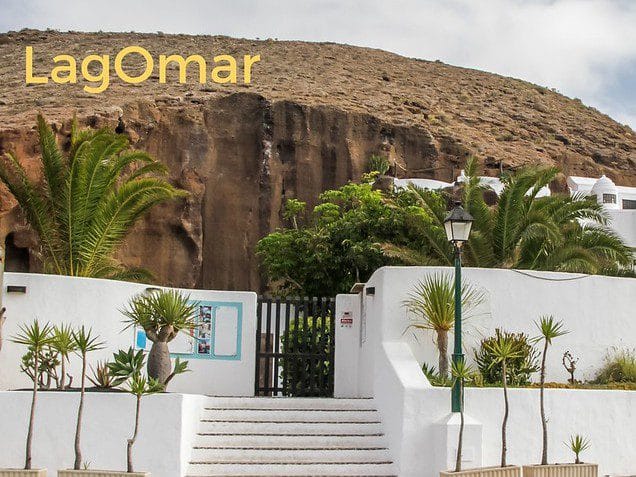
The Lagomar Museum is an architectural jewel designed by César Manrique. Located in a spectacular natural environment, it combines art and nature in a space that captivates all its visitors.
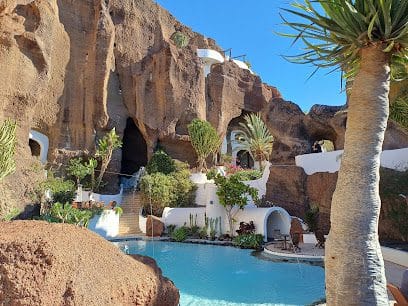
Architecture and nature
This museum sits among caves and volcanic formations, creating a unique environment. Manrique’s work reflects his philosophy of respect for the environment, integrating with the local landscape. The museum’s structures intertwine with the rock, creating a magical atmosphere that highlights the natural beauty of Lanzarote.
Temporary exhibitions
Within the Lagomar Museum, temporary exhibitions are organized that address various artistic manifestations. These collections vary throughout the year, offering new perspectives on contemporary art. Often, works by emerging artists are presented, as well as those already established, contributing to a constant dialogue between art and visitors.
Art and sunset views
The museum not only stands out for its architecture, but also for the breathtaking views it offers. The sunsets from Lagomar are particularly memorable. Visitors can experience how the sky is tinged with warm hues, creating a light show that complements the artistic experience. In addition, the space houses a restaurant that allows visitors to enjoy local gastronomy while contemplating the beauty of the surrounding landscape.
6. Museo Etnográfico Tanit
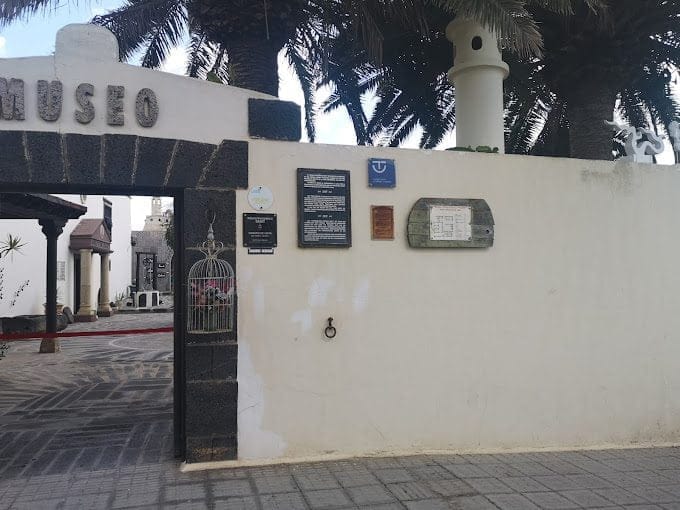
The Tanit Ethnographic Museum offers a journey through the daily life and traditions of Lanzarote, with a nod to the history of the island. This space invites you to explore how were the living conditions of the inhabitants in the past.
Life in the past
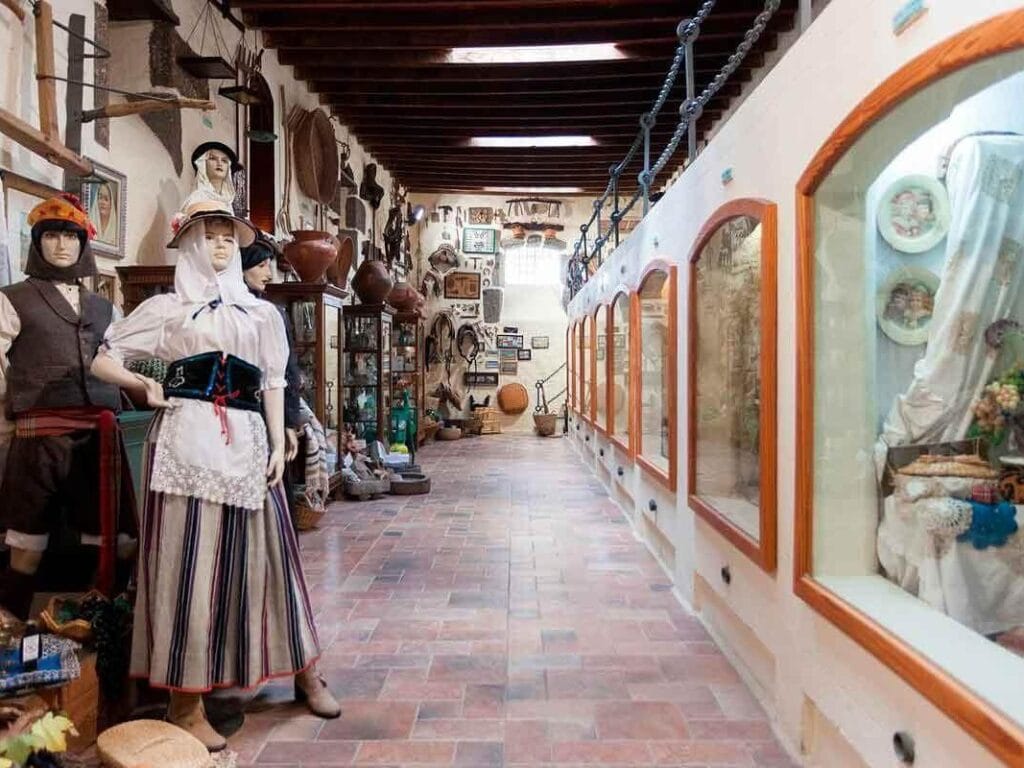
The museum’s collection allows visitors to immerse themselves in the past, showing the daily routine of the people of Lanzarote. You can observe tools used in agriculture, kitchen utensils and other objects that reflect the way of life of those times.

Reconstruction of old houses
One of the attractions of the museum is the reconstruction of old dwellings that provide an authentic view of the traditional home in Lanzarote. They are designed with materials that were common at the time, which helps to better understand the context and the adaptations that the inhabitants made to their environment. These structures show how the houses adapted to the climate and volcanic landscape of the island.
Everyday Lanzarote culture
The exposed elements illustrate the rich culture that characterized life in Lanzarote. Among them, the following stand out:
- Traditional clothing that reveals customs and lifestyles.
- Handcrafted utensils that demonstrate the skill of local artisans.
- Documents and objects that tell stories about festivities and traditions.
7. Casa-Museo José Saramago
This space, dedicated to the Nobel Laureate in Literature, allows visitors to explore the life and legacy of the influential author. Located in a traditional villa, the José Saramago House-Museum offers a unique experience.
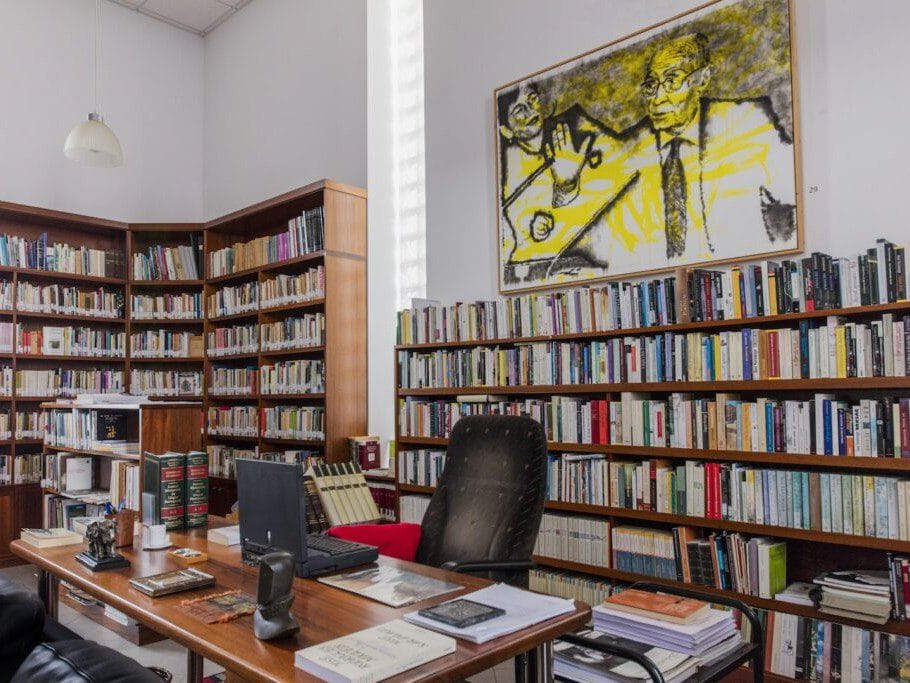
Life and works of the Nobel laureate
José Saramago, born in 1922, left an indelible mark on world literature. His work ranges from emblematic novels to provocative essays. At the museum, visitors can delve into his career, observing the stages of his life and his influence.

Personal belongings of the author
The house houses a collection of objects that belonged to Saramago, providing a deep insight into his intimacy. Among these items are:
- Signed books and special editions.
- Writing materials and personal documents.
- Family photographs reflecting their daily life.
These elements not only reveal his personality, but also illustrate his creative process and the environment that inspired him.

Inspiration in Lanzarote
Lanzarote played a fundamental role in Saramago’s life, a place that captivated him and stimulated his creativity. The author found on the island a refuge that fed his imagination, which is reflected in some of his works. The beauty of the volcanic landscape and the local culture were sources of inspiration, making Lanzarote a vital stage in his life.
The House-Museum thus becomes a meeting point between his literary legacy and the identity of the island, allowing visitors to appreciate the link between the author and his environment.
8. Museo Internacional de Arte Contemporáneo Castillo de San José
The International Museum of Contemporary Art, located in the Castillo de San José, is an outstanding cultural reference in Lanzarote. This space combines history and art, showing contemporary creativity in a captivating historical setting.

Contemporary art exhibition
Within its walls, the museum houses a rich collection of works by renowned contemporary artists. Pieces spanning diverse artistic currents, from painting to sculpture, can be appreciated. This diverse approach allows visitors to immerse themselves in the current art scene, providing a stimulating and thought-provoking experience.
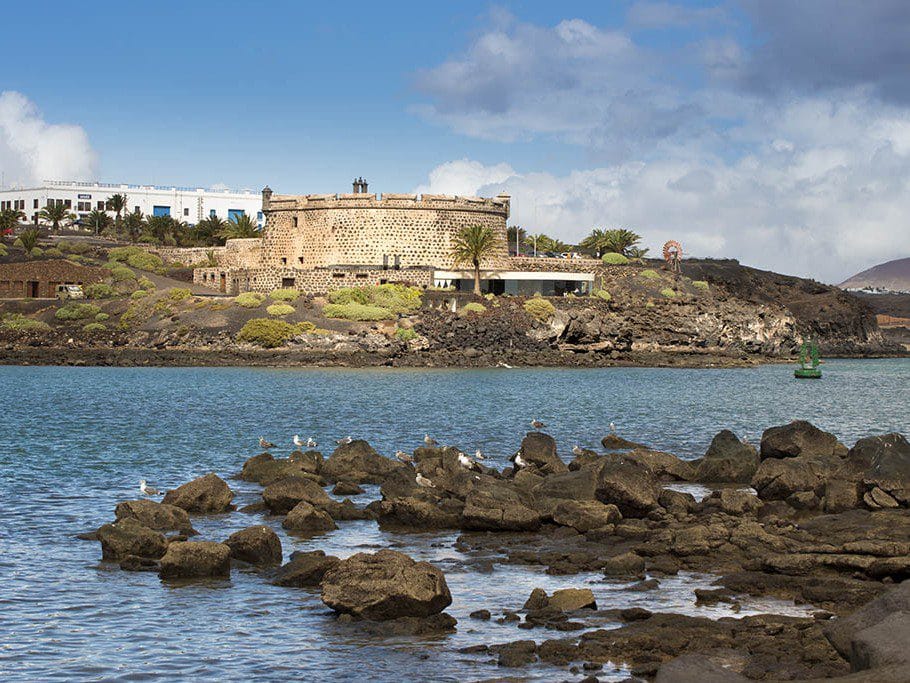
Works by César Manrique
One of the highlights of the museum is its collection of works by César Manrique, the famous Lanzarote artist. It features pieces that reflect his connection with nature and his avant-garde vision. Manrique’s influence is palpable in every corner, fusing his art with the castle’s architecture and natural surroundings.
9. Museo Aeronáutico de Lanzarote
The Aeronautical Museum of Lanzarote is a space that pays tribute to the history of aviation in the Canary Islands. It is located at the island's airport, offering a unique experience for aviation enthusiasts and those curious about local history.
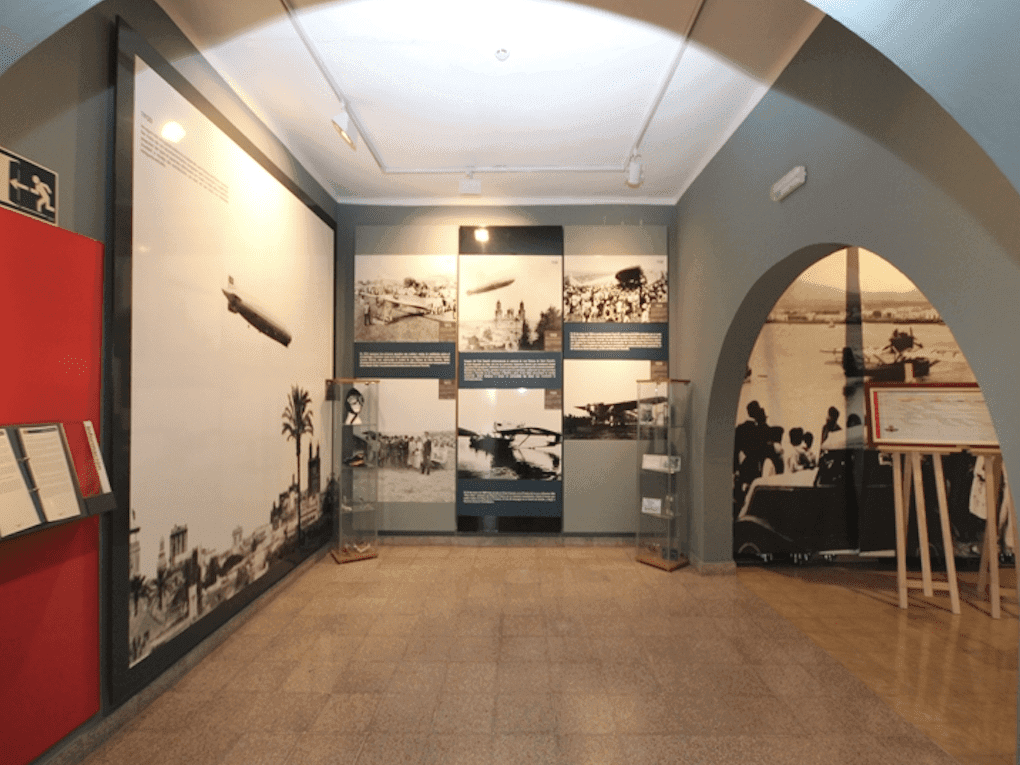
History of aviation in Lanzarote
The evolution of aviation in Lanzarote dates back to the first flights made throughout the twentieth century. This museum presents a tour of the most important milestones and technological advances that have marked the development of aviation in the region. With informative texts and visual elements, visitors can understand how aviation has transformed the island’s connections and its relationship with the outside world.

Exhibit highlights
The Aeronautical Museum exhibits include a diversity of historic aircraft and artifacts. Among them are:
- Scale models of old airplanes representing different periods of Canarian aviation.
- Historical photographs documenting the first flights, as well as the evolution of local airports.
- Documents and stories that provide a context about the pioneers of aviation in Lanzarote.
These elements are not only informative, but also allow visitors to appreciate the magnitude of the progress that aviation has made on the island.
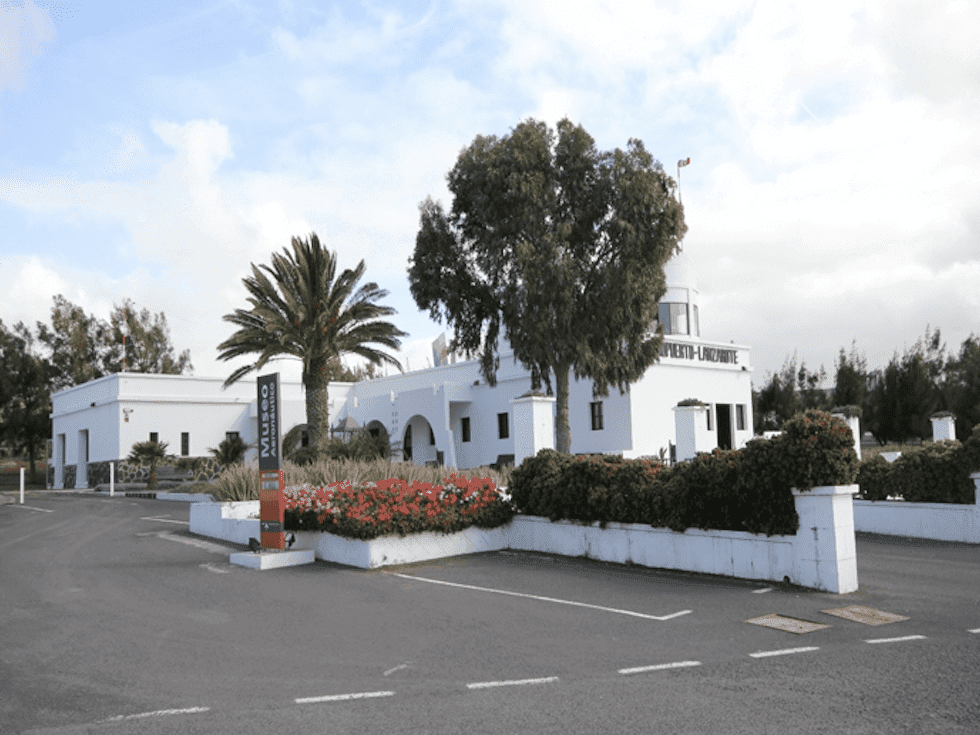
Control tower
One of the most fascinating aspects of this museum is the possibility of accessing the control tower. From there, you can observe historical artifacts that reflect the evolution of the aeronautical infrastructure in Lanzarote. This experience allows visitors to learn firsthand how aviation works today, combining history and modernity in a spectacular way.
10. Museo del Timple
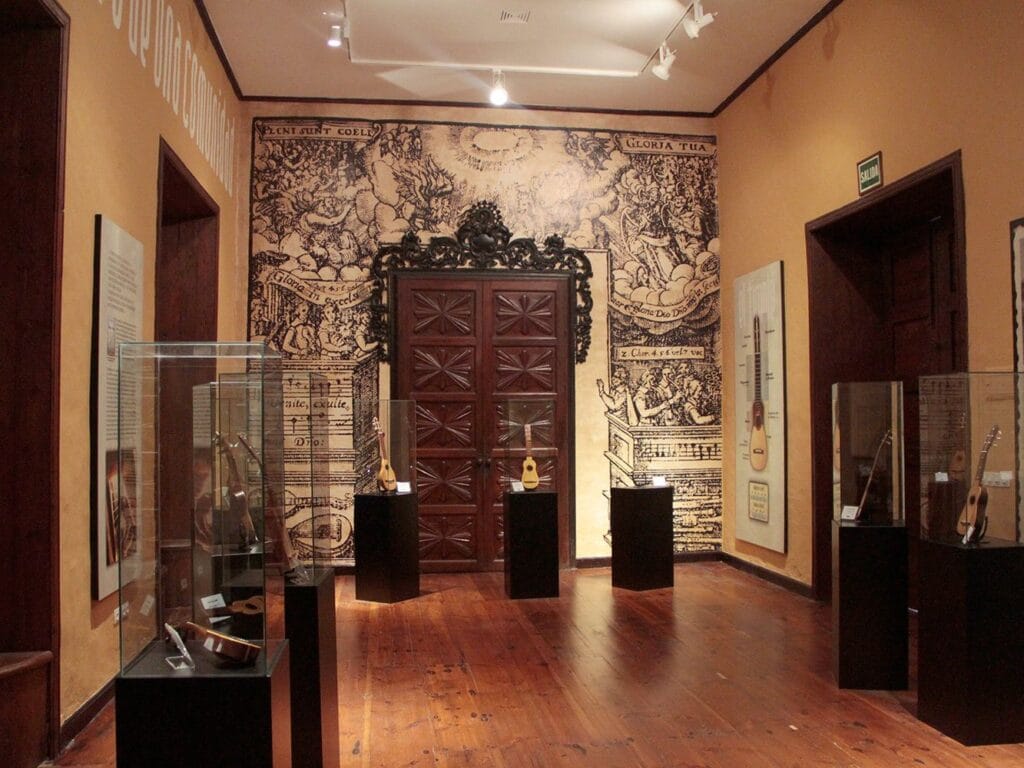
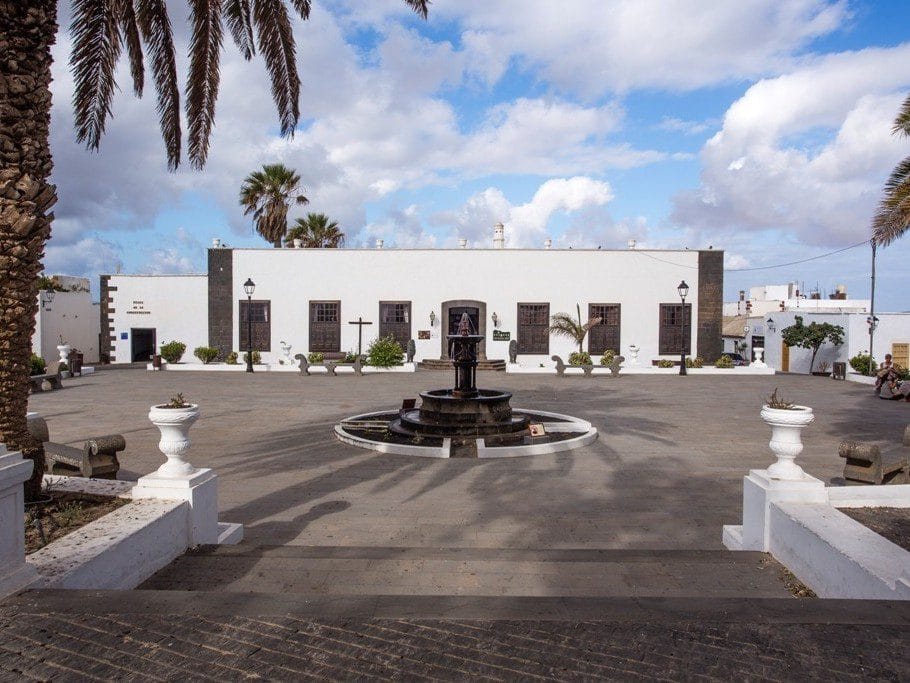
The Timple Museum, located in the Spínola Palace, celebrates the musical tradition of the Canary Islands through this emblematic instrument. Here, visitors can explore the rich cultural heritage related to the timple and its evolution over time.

History of the canary timple
The timple is a traditional Canarian stringed instrument that has been an integral part of the folk music of the region. It is believed that its origin dates back to ancient times and has influences from different cultures. Over the years, it has evolved both in its form and its use in various musical styles. This museum helps to preserve and narrate this fascinating history that unites the Canary Islands community.
Exhibitions of instruments
Inside the museum, you can find several exhibits displaying various types of timples. These collections range from antique to contemporary models, which highlight the skill of Canarian luthiers. The pieces on display allow visitors to appreciate not only the evolution of the design but also the regional variations of the instrument. This tour of the exhibits provides a unique insight into how the timple has adapted to new generations of artists.
Folk music from Lanzarote
Folk music is fundamental to understand the cultural identity of Lanzarote, and the timple plays a crucial role in this area. Over the years, it has been used in celebrations, festivals and gatherings, becoming a symbol of the community. At the museum, visitors can listen to recordings of live performances where the timple is the protagonist, allowing them to appreciate its sonority and versatility. The museum also offers workshops and activities that encourage the learning of the instrument, keeping alive the musical traditions of the island.
11. Museo Arqueológico de Arrecife
Located in the heart of Arrecife, the Archaeological Museum is a space that reveals the rich cultural heritage of Lanzarote. Through its extensive collection, it offers a unique insight into the ancient inhabitants of the island.
Aboriginal culture majo
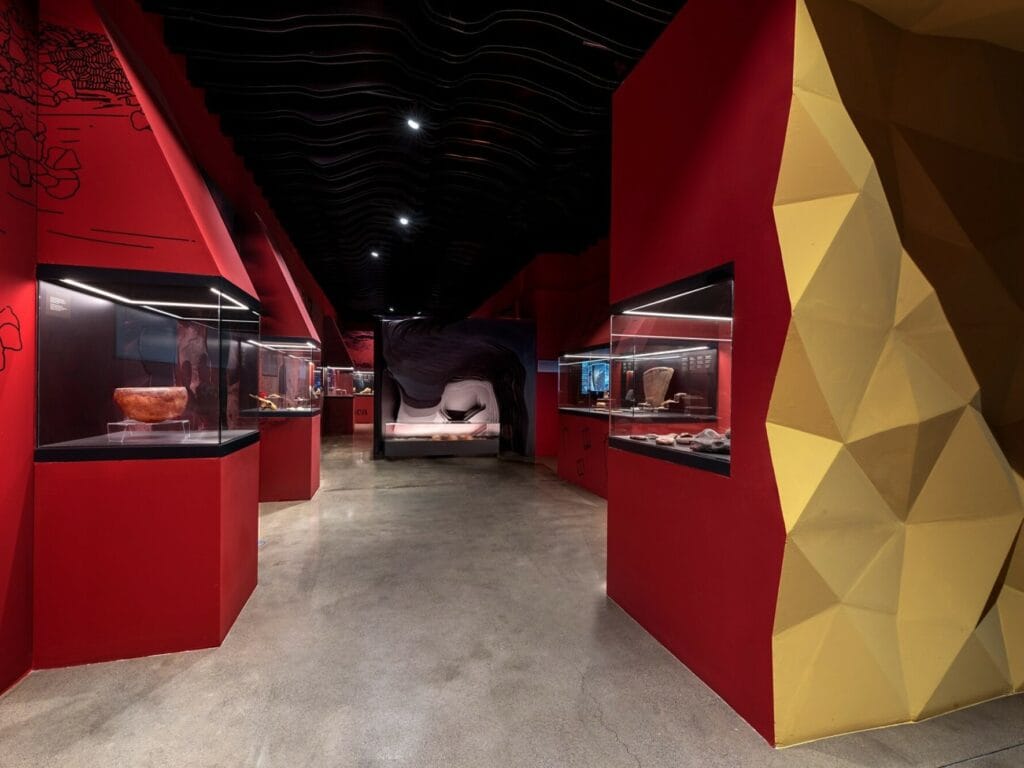
The aboriginal majos, who inhabited Lanzarote before the arrival of Europeans, left a significant legacy. This museum allows visitors to delve into their customs, beliefs and way of life. You can view reproductions and documents that reflect their social organization and their interaction with the environment.
Antique objects and tools
The museum houses a varied collection of utensils, tools and everyday objects used by the majos. Among them, the following stand out:
- Kitchen utensils: They include mortars and pestles and dishes that illustrate the culinary techniques of the time.
- Working tools: The exhibition presents elements that demonstrate that agriculture and fishing are the pillars of their livelihood.
- Jewelry and ornaments: Decorative artifacts reflect their aesthetics and the value they placed on personal ornamentation.
12. Museo de la Piratería en el Castillo de Santa Bárbara
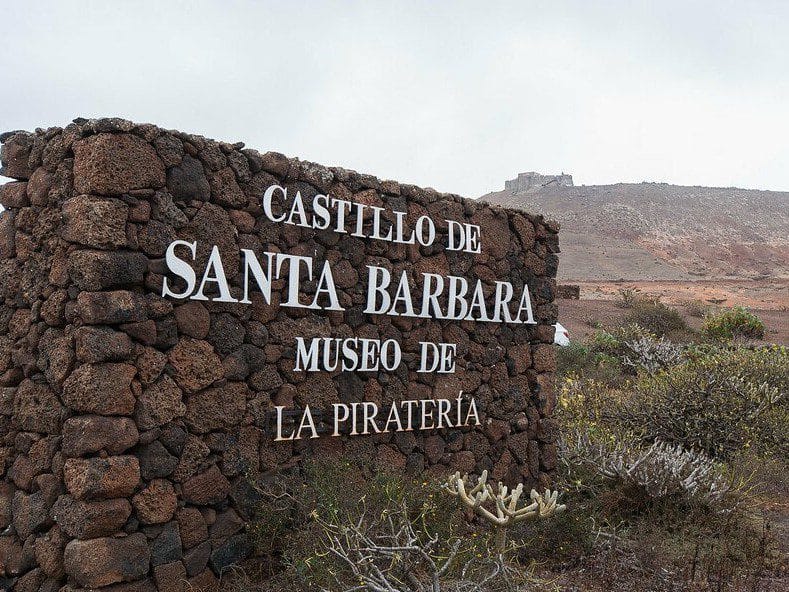
The Museum of Piracy, located in the Castle of Santa Barbara, offers a fascinating insight into the history of the invasions suffered by Lanzarote. This emblematic place not only houses artifacts from past times, but also allows visitors to understand the impact that pirate attacks had on the island.
Historical location
Located on the top of a hill in the town of Teguise, the Castle of Santa Barbara was built in the sixteenth century with the aim of protecting the coasts of Lanzarote from maritime assaults. Its strategic location allowed it to function as a very important defensive bastion. The fortress, in addition to housing the museum, offers breathtaking panoramic views of the island and the Atlantic Ocean.

Tales of invasions and battles
The museum presents a collection that tells the intrepid stories of the invasions suffered by the inhabitants of Lanzarote. Throughout its rooms, you can find historical documents, old maps and objects that belonged to the pirates and defenders of the island. These exhibits illustrate the struggles for survival and the resistance of the local population against the constant threat of corsairs.

Battle of Blood Alley
Among the most shocking stories, the famous Battle of Callejón de la Sangre, a crucial confrontation that marked the history of Lanzarote, stands out. This battle took place in the 18th century and was the result of an attack carried out by pirates seeking to plunder the island. The museum presents a detailed narrative of this event, allowing visitors to understand the dynamics of the conflicts and the heroic actions of the islanders during those difficult times.