
Gastronomy in Lanzarote: Delightful Atlantic Flavors
Lanzarote's gastronomy is a true reflection of its history and culture. Influenced by diverse traditions, it combines fresh ingredients and culinary techniques that have been passed down through the centuries. Local products, such as fish, gofio and vegetables, are fundamental to the island's emblematic dishes. This rich culinary offer invites you to discover unique flavors and memorable gastronomic experiences.
Lanzarote’s gastronomy is a living reflection of its volcanic environment, its insular history and its direct connection with the Atlantic. Each dish combines local products such as fresh fish, local potatoes, mojos and gofio, ingredients that give shape to a simple cuisine but full of flavor.
The wineries and artisan cheese factories of the island complete this sensory experience, offering unique wines grown in volcanic ash and cheeses with intense nuances. To discover the flavors of Lanzarote is to enter into its identity, where tradition and creativity meet to delight the palate.
1. History and evolution of gastronomy in Lanzarote
Lanzarote's gastronomy has evolved over the centuries, reflecting the fusion of diverse cultures and traditions. From the aboriginal Guanches to the influence of the conquistadors and maritime trade, each stage has left an indelible mark on the island's cuisine.
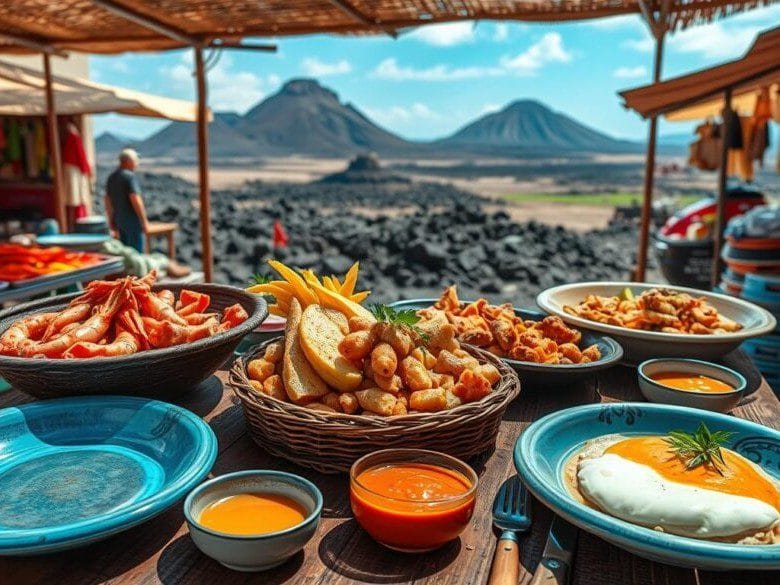
Cultural influences on Lanzarote's cuisine
The era of the Guanches
The Guanches, the first inhabitants of Lanzarote, had a diet based mainly on natural resources. Their cuisine was simple and focused on local products. They hunted wild animals and gathered wild plants, which provided a sustainable food base. They used rudimentary techniques to prepare and preserve food, such as drying and smoking. At this time, gofio, a toasted cereal flour, already began to form part of the diet, becoming an essential food that has survived to the present day.
Impact of the Castilian Conquistadors
The arrival of the Castilian conquerors to Lanzarote in the 15th century brought a new dimension to the island’s gastronomy. New cooking techniques and the incorporation of ingredients such as pork, poultry and spices became evident. The mixture of native products with the ingredients brought by the conquistadors resulted in an enrichment of local dishes. Thus, Lanzarote’s cuisine began to develop its uniqueness, combining the best of two worlds.
Contributions of the Fleet of the Indies
During the period of the Fleet of the Indies, Lanzarote became a key point of commercial exchange. This trade favored the introduction of American products such as potatoes and corn, which quickly adapted to the local diet. These new ingredients offered greater variety and versatility to Lanzarote’s cuisine, allowing the creation of dishes that, although influenced by external cultures, managed to maintain their Canarian essence and authenticity.
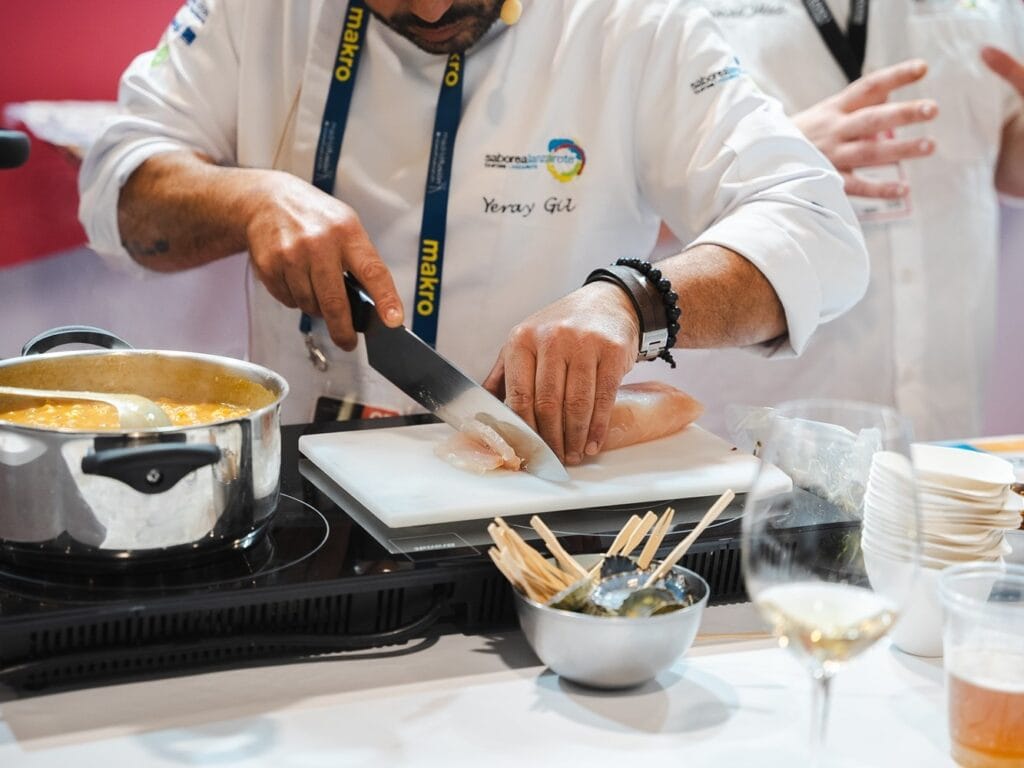
Fusion of culinary traditions and techniques
Over the centuries, Lanzarote’s cuisine has been able to integrate influences from diverse origins, resulting in a rich and varied fusion. Culinary techniques have evolved, adopting traditional methods of preparation that stand out for their simplicity and respect for the ingredients. This fusion is not only limited to the use of products, but also to the way dishes are presented, where each recipe tells a story and reflects the rich cultural heritage of the island.
Currently, Lanzarote’s gastronomy continues to evolve, adapting to new culinary trends without losing its historical roots. The search for fresh and quality ingredients together with innovation in presentation have led to the creation of a cuisine that respects its traditions while looking to the future.
2. Emblematic dishes of Lanzarote
Lanzarote's gastronomy is characterized by a selection of emblematic dishes that reflect the cultural and historical richness of the island. Each of these dishes is a testimony to the use of local ingredients and traditional techniques, taking the palate on a journey full of flavor and authenticity.
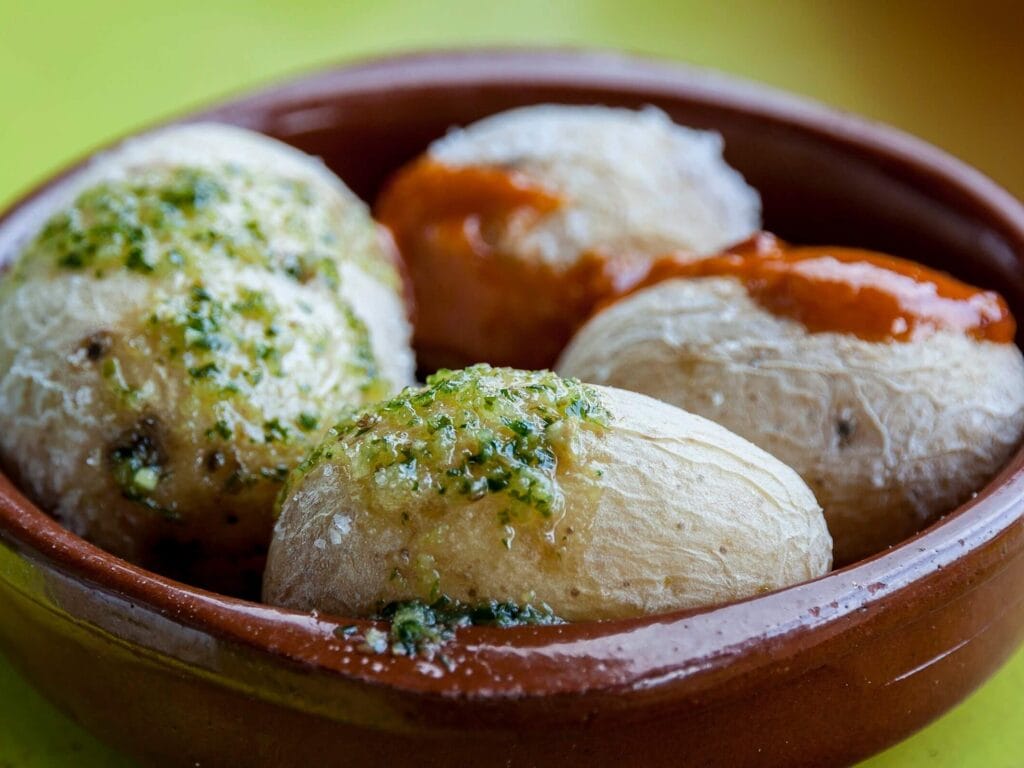
Wrinkled potatoes with mojo
Papas arrugadas are an icon of Canarian cuisine, and their popularity in Lanzarote is indisputable. This dish is highly appreciated for its simplicity and exquisite flavor.
Preparation of wrinkled potatoes
To prepare the wrinkled potatoes, small potatoes are selected, preferably with thin skin. They are cooked whole with the skin on in water with abundant salt. Once they are tender, they are drained and put back on the fire so that the water evaporates, causing the skin to wrinkle and acquire a unique texture. This process is crucial, as it gives the dish its characteristic salty flavor and distinctive appearance.
Varieties of mojo: picón and green mojo
Wrinkled potatoes are usually accompanied by mojo, a typical sauce that can be of two types: mojo picón and mojo verde. Mojo picón is spicy and its base includes red peppers, garlic, cumin and olive oil. On the other hand, the green mojo is made with coriander or parsley, garlic and oil, offering a fresher and more herbal flavor. Both mojos are essential to fully enjoy papas arrugadas.
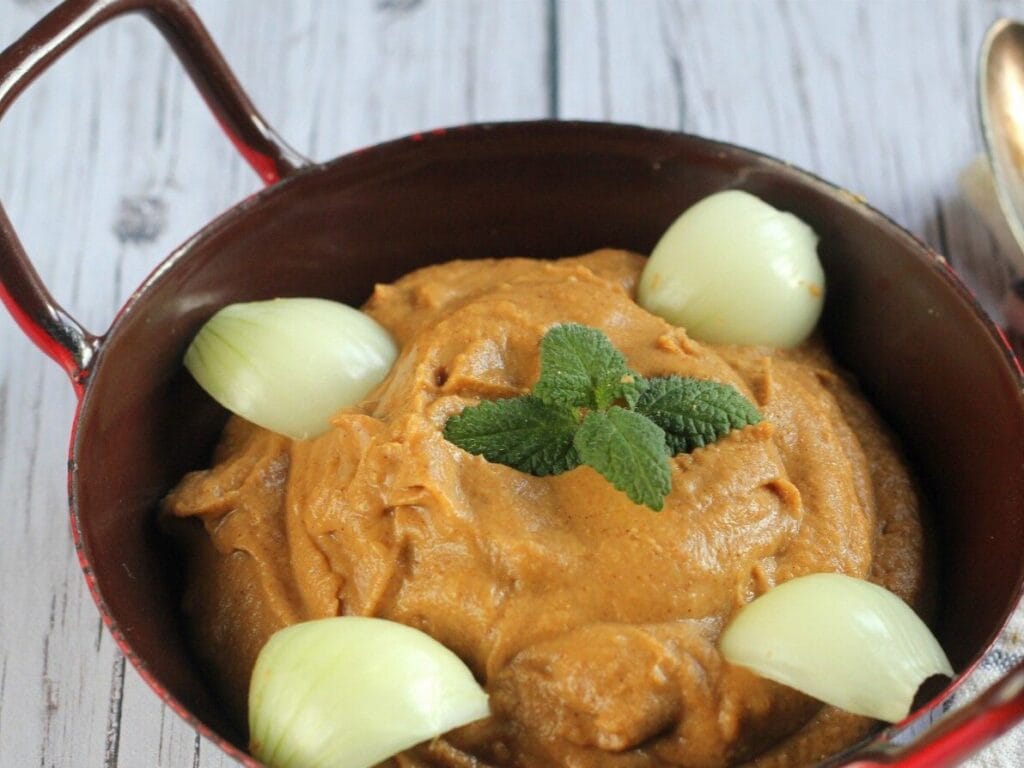
Gofio escaldado: Tradition and flavor
Gofio escaldado is a dish that highlights the versatility of gofio, a fundamental food in the Canarian diet. It is prepared by mixing gofio with hot broth, creating a paste that can accompany numerous dishes. This preparation is an excellent example of how culinary tradition can be adapted to contemporary tastes.
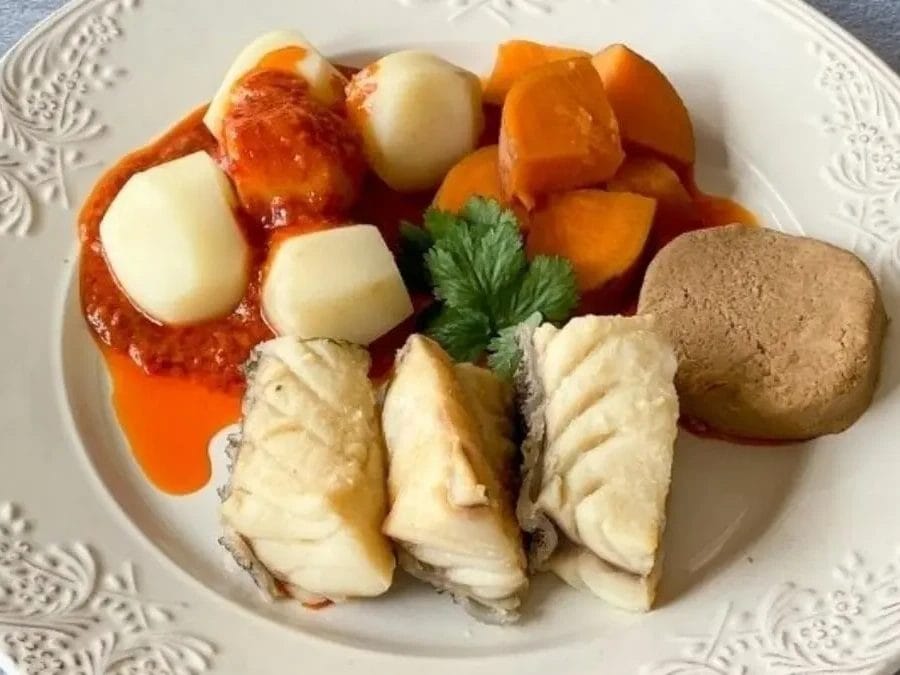
Sancocho canario
Sancocho is a traditional stew that highlights the Lanzarote people’s relationship with the sea. This dish is characterized by its balance of flavors and its nutritional richness, making it a favorite in many homes.
Sancocho ingredients
Sancocho is mainly made with cherne, a delicious white fish, accompanied by sweet potatoes and potatoes. These ingredients are cooked together in a tasty broth, which is complemented with gofio and mojo to taste. The simplicity of its components does not detract from its complexity of flavor, being a dish that celebrates the fresh products of the island.
Typical accompaniments
The accompaniments to the sancocho are equally important for a complete experience. It is usually served with lemon slices, which enhance the flavor of the fish and add a fresh touch. Many choose to add gofio to thicken the broth, creating a hearty and flavorful mixture that satisfies with every bite.
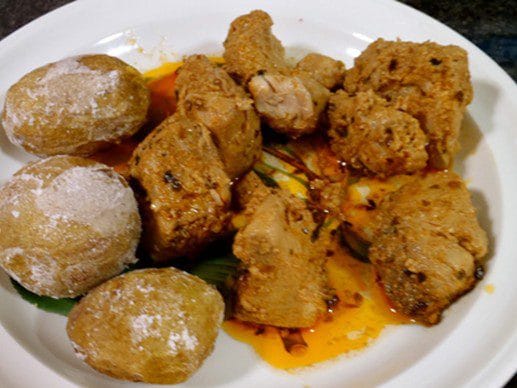
Marinated tuna
This dish seduces for its intense flavor and the technique involved in its preparation. Marinated tuna is a traditional way of preserving fish that has endured over time.
Marinating technique
To prepare marinated tuna, the fish is marinated in a mixture of garlic, paprika, cumin, vinegar and olive oil. This marinade is left to stand for several hours, allowing the flavors to penetrate the meat. Subsequently, the tuna is fried, achieving a crispy texture on the outside and juicy on the inside. This method of preservation is a technique that fishermen used in the past and is still enjoyed today.
Flavors and textures
The result is a dish full of nuances, where the fusion of the spices with the fish creates a perfect balance. Each bite of marinated tuna offers an explosion of flavors, making it a delicacy that visitors should not miss.
3. Emblematic drinks
Lanzarote's gastronomic offer is not limited to its typical dishes. Drinks also occupy a prominent place in the island's culinary culture, with options that enhance and complement the exquisite local cuisine. Among them, volcanic wines and craft beers stand out.
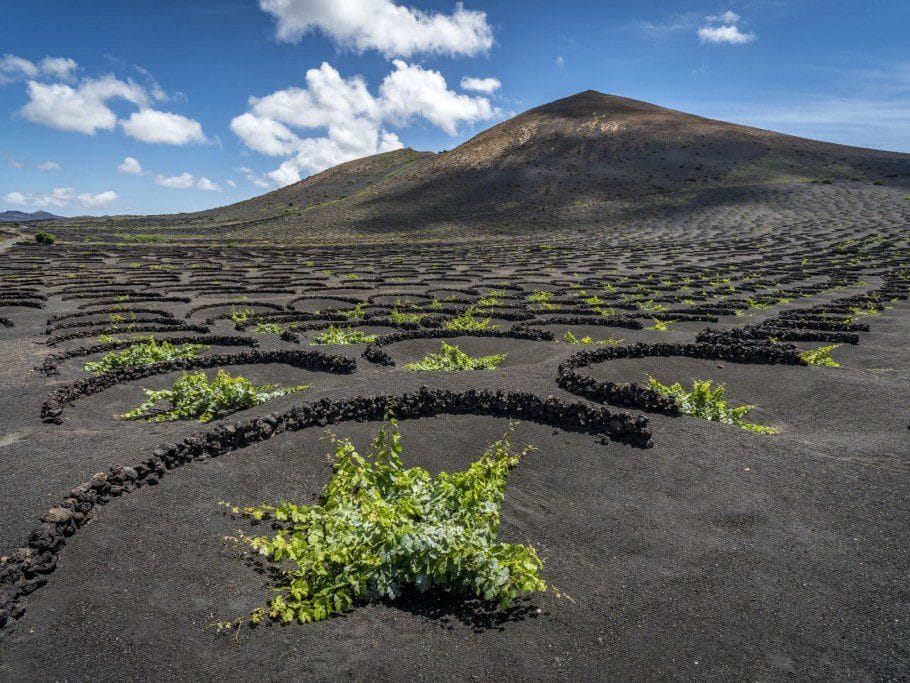
Volcanic wines from La Geria
La Geria, one of the most emblematic regions of Lanzarote, is famous for its unique landscape and wine production. The cultivation of vines on volcanic ash soils offers an exceptional result, conferred by the characteristics of the terroir that bring a distinctive flavor to the local wines.
Malvasia wine
Malvasia wine is a pillar of Lanzarote’s viticulture, known for its freshness and fragrance. This sweet white wine, with fruity and floral touches, is appreciated not only nationally, but also internationally. Its aromatic profile makes it the ideal accompaniment to fish dishes and desserts, providing a pleasant contrast in the palette of flavors.
Elaboration process
The production of Malvasia wine is carried out through a meticulous process that begins with the harvesting of the grapes, selected by hand to ensure quality. Once harvested, the grapes are destemmed and pressed, extracting the must which is then fermented in stainless steel tanks or in wooden barrels. The warm, dry climate of Lanzarote, combined with low rainfall, significantly influences the concentration of sugars and acidity of the grapes. The wine is then matured to develop and balance its flavors, creating an exceptional final product that is worth tasting.

Craft beers: A perfect match
Craft beers have gained popularity in Lanzarote, becoming a refreshing and creative option that complements the flavors of the local cuisine. With a focus on quality and innovation, several microbreweries have emerged on the island, offering limited productions that reflect the uniqueness of the Canary environment.
These beers are brewed using local ingredients and traditional techniques, giving them a distinctive character. The diversity of styles ranges from blond and light beers to more robust options, suiting a wide variety of palates. This resurgence of beer culture brings a new dimension to dining, elevating the gastronomic experience in Lanzarote.
The combination of craft beers with typical dishes allows the exploration of new nuances and contrasts of flavors, making each meal a true sensory feast. The pairing options are diverse, ranging from seafood to stronger dishes, creating harmonies that delight the palate.
4. Recommended gastronomic routes
Exploring the gastronomy of Lanzarote also involves experiencing its richness through routes that include wineries, vineyards and local markets. These experiences allow you to get up close and personal with the local flavors and the production of the ingredients that make up Lanzarote's cuisine.

Visits to wineries and vineyards
Lanzarote has a rich and varied winemaking tradition, especially highlighting the region of La Geria. This unique landscape, characterized by its volcanic ash soils, is ideal for growing grapes. The wineries offer not only a wine tasting, but also an immersion in unique cultivation techniques and the process of making local wines.
La Geria and its wines
La Geria is known for its quality wines, which have achieved both national and international recognition. Among the most outstanding varieties is Malvasia wine, a sweet white wine that reflects the agricultural heritage of the island. The vineyards, protected by stone walls that prevent wind erosion, make this place a jewel for wine lovers.
Tastings and pairings
Tasting and pairing experiences, organized in many wineries in the area, allow visitors to appreciate the complexity of Lanzarote’s wines. These tastings are often accompanied by local products, such as cheeses, cured meats and traditional dishes, creating combinations that enhance the flavors of each element. In some cases, expert winemakers guide these pairings, sharing their knowledge and passion for wine.
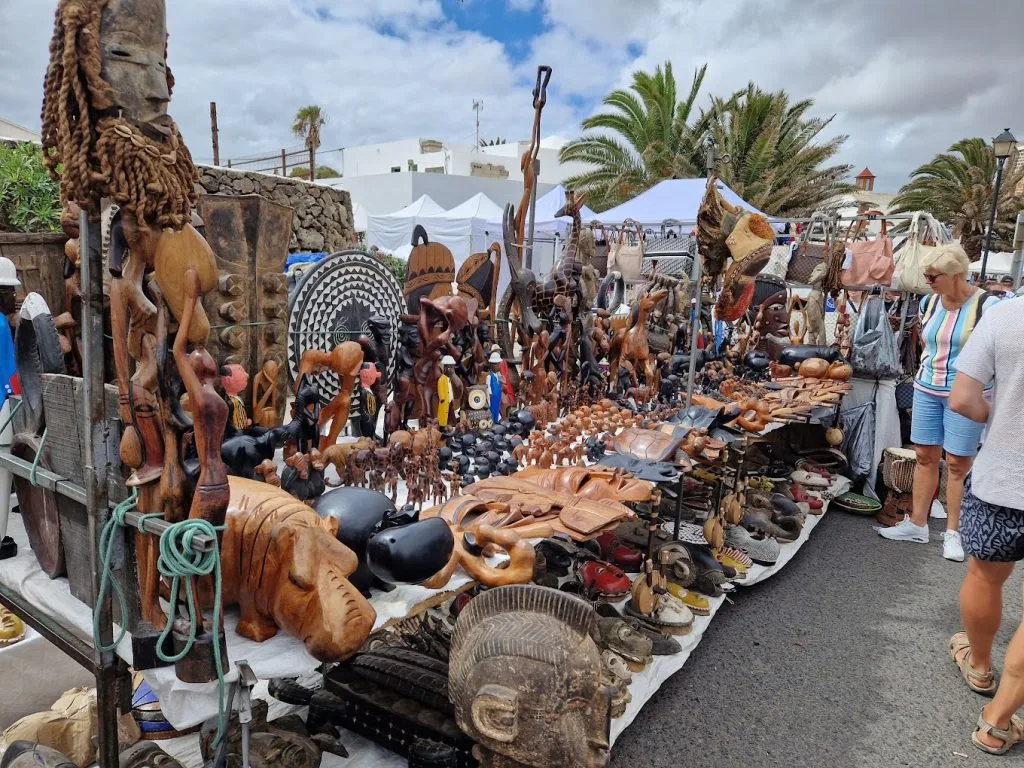
Local markets route
Lanzarote’s markets are excellent meeting points to enjoy fresh and local products. These spaces not only offer the opportunity to buy fruits, vegetables, and other ingredients, but are also a reflection of the social dynamics of the island. The markets are usually full of color, smells and flavors that invite to be explored.
Teguise Market
The Teguise Market is one of the most emblematic of Lanzarote. It is held every Sunday and is famous for its wide variety of products, ranging from food to local crafts. Here, visitors can find fruits and vegetables grown on the island, as well as cheeses and sausages that represent Lanzarote’s gastronomic tradition. The experience is complemented by a vibrant atmosphere, where artisans show their work and local musicians liven up the day.
San Bartolomé Farmers' Market
This market is held on Saturdays and is an ideal place to discover the fresh products offered by the land of Lanzarote. Here, local producers sell their crops directly, ensuring that the ingredients are of the highest quality. Tropical fruits, vegetables and handmade products highlight the efforts of the island’s farming community. This market is an excellent example of the connection between the people of Lanzarote and their land.