


 Evolution of diving on the island

Since ancient times, the inhabitants of Tenerife have depended on the sea for their livelihood.
Fishing has been an essential activity, which led to the first forms of diving.
Initially, divers used primitive techniques, such as diving without specialized equipment, to gather shellfish and fish.
Over time, the advent of new technologies in the 20th century spurred the development of scuba diving as a recreational activity.
By the middle of that century, the use of wetsuits and compressed air equipment made it possible for more people to explore the deep sea safely and effectively.
There was an increase in the popularity of scuba diving, which encouraged the formation of schools and clubs dedicated to this activity.
- Certification courses were introduced for those who wanted to deepen their skills.
- Diving expeditions became common, taking place both in the island’s waters and in other destinations around the world.
- The diving industry began collaborating with conservation initiatives to protect marine biodiversity.
Garachico and its historic port
Garachico, a former fishing port, has witnessed the history of diving in Tenerife since its beginnings.
During the 17th century, this port played a crucial role in the island’s economy, being a trading and fishing point.
Its waters, rich in marine resources, attracted fishermen and divers alike.
Garachico’s legacy lies not only in its history as a port.
The remains of sunken ships in its surroundings have become an attraction for diving enthusiasts.
These wrecks are not only a refuge for various marine species, but also represent a tangible link to the rich maritime history of the region.
Interest in diving has grown hand in hand with the importance of preserving these historic sites, ensuring that future generations can enjoy the underwater wonders that Tenerife has to offer.

Tenerife has a unique underwater geography, where volcanic formations and a diversity of cliffs create an ideal environment for marine life.
The characteristics of this landscape provide wonderful experiences for diving enthusiasts.
Volcanic formations and lava tubes
Volcanic formations are one of the most distinctive features of Tenerife’s underwater geography.
These structures, formed by volcanic activity, offer a variety of underwater landscapes and hiding places for numerous marine species.
Among these formations, lava tubes stand out as fascinating spaces to explore.
-El Tubo de Garachico
The Garachico Tube is one of the main attractions for divers on the island.
This volcanic tube, with its intricate network of basaltic formations, provides an ideal environment for the observation of marine fauna.
Diving here allows you to discover the beauty of the ecosystems that have developed inside.
However, access can be more challenging, so it is recommended that inexperienced divers avoid it until they are more prepared.
The need for a flashlight adds an element of adventure to this exploration, illuminating the dark corners of this fascinating place.
Precipices and marine life
Tenerife’s underwater cliffs are another notable attraction, providing a diverse habitat for a wide variety of species.
These steep drop-offs not only offer an impressive visual spectacle, but are also meeting points for marine species seeking refuge in their depths.
-The Cathedral
The Cathedral is a natural structure defined by its basaltic arches and impressive underwater tunnels.
This site allows for emotional descents through formations that seem to be taken from an otherworldly landscape.
Divers who venture into this environment can observe moray eels, barracuda and a variety of other species that inhabit these tunnels.
The beauty of the site offers a unique connection between the underwater world and adventure.
-The Punta Rasca Lighthouse
Punta Rasca Lighthouse is positioned as a highlight for diving in Tenerife.
This site is known for its impressive tunnels and arches, which are home to a rich and varied marine fauna.
Divers can explore the abundant lobsters and rays that inhabit this area.
Beginners and experienced divers alike can enjoy the wonders that this underwater environment has to offer, providing easy access to the various dive sites.
The combination of natural formations and biodiversity makes Punta Rasca an unmissable destination for diving enthusiasts.
Recreational diving
Recreational diving is one of the most popular activities among visitors to Tenerife.
This modality allows you to enjoy the crystal clear waters and rich marine life without the need for great previous skills.
Dive centers organize guided dives, where divers can explore various underwater points of interest.
Excursions usually include:
- Dives in calm and safe waters.
- Visits to areas with great biodiversity.
- Exploration of unique underwater formations, such as lava tubes and reefs.
The experience of diving in the company of colorful fish and other marine species is simply unforgettable.
Expert guides ensure that each dive is conducted in optimal conditions, maximizing safety and enjoyment of the activity.
Night diving
Night diving in Tenerife offers a completely different perspective of marine life.
During the night, many species such as octopus and moray eels become more active, providing a unique and unrepeatable experience.
Night dives usually include:
- Use of underwater flashlights to illuminate the environment.
- Observation of behaviors of species that are difficult to see during the day.
- Exploration of illuminated underwater landscapes that reveal hidden details.
These dives require a little more preparation, as visibility may be affected compared to daytime diving.
However, the magic of diving in the dark, fueled by the divers’ lights, creates a particularly captivating atmosphere.
Wreck Diving (wreck diving)
Wreck diving is another fascinating experience offered in Tenerife.
The remains of sunken ships, such as the Tabaiba Wreck, have become artificial habitats that are home to an impressive variety of marine life.
Lovers of this activity can wait:
- Explore submerged structures that tell stories of times past.
- Observe how marine fauna has colonized these unique ecosystems.
- Participate in technical dives, which may require additional training in some cases.
Adventure, history and ecology are intertwined in the wreck dives, making this experience one of the most valued by divers.
Each dive offers the possibility of being surprised by new discoveries in an environment that combines nature and the maritime history of Tenerife.

Diving courses in Tenerife offer a wide variety of options to suit different levels of skill and experience.
A safe and controlled environment is available to allow divers to acquire the necessary skills to explore the stunning waters of the island.
Diving baptism
The scuba diving baptism is an experience designed for those who wish to try scuba diving for the first time.
This introductory course provides an accessible and exciting way to enter the underwater world.
It usually includes a brief theory lesson on the basic principles of diving, followed by a dive in a safe environment, guided by a certified instructor.
Participants learn to familiarize themselves with basic equipment and breathing techniques.
This option is ideal for those who are curious, but not yet ready to commit to a full course.
Baptisms usually take place in places with calm waters and abundant marine life.
PADI Open Water
The PADI Open Water course is the first in the series of diver training courses.
This course allows divers to obtain a certification that authorizes them to dive independently in open water.
The course content is structured in three parts: theory, pool practice and open water practice.
-Certification and benefits
Upon completion, divers receive the internationally recognized PADI Open Water Diver certification.
This opens the door to dive experiences in various locations around the world.
In addition, it offers the possibility to enjoy dives with friends, as well as participate in dive trips globally.
-Diving centers
Numerous dive centers in Tenerife offer the PADI Open Water course.
These centers are equipped with highly qualified instructors and have adequate facilities to provide optimal learning.
When choosing a center, you can verify its reputation and the quality of its training to guarantee a safe and professional learning.
Advanced courses
Advanced courses are ideal for those who already have the PADI Open Water certification and wish to deepen their knowledge and skills in diving.
You can find different specialties that address specific aspects of diving, such as night diving, deep diving, or wreck diving.
-PADI Advanced Open Water
Through the PADI Advanced Open Water course, divers have the opportunity to broaden their experience by doing a variety of specialized dives.
This course focuses on practice, allowing participants to choose the specialties they prefer, which facilitates training tailored to their interests and objectives.
-PADI Rescue Diver
The PADI Rescue Diver course is designed to teach rescue and first aid techniques specifically applicable to scuba diving.
This program is essential for those looking to take a more active role in the safety of their dive group.
Rescue scenarios are addressed and skills are developed to handle emergencies and contribute to the safety of everyone during dives.
Types of suits and essential equipment
Basic scuba diving equipment includes several essential items that ensure comfort and safety during dives.
The main components are:
- Neoprene wetsuit: Fundamental to maintain body temperature, especially in colder waters.
This suit acts as insulation and allows the diver to enjoy prolonged dives. - Regulator: This device allows the diver to breathe underwater by regulating the air flow in the cylinder.
It is vital that the regulator is well maintained to ensure proper operation. - Dive cylinder: A tank containing compressed air.
The capacity of the cylinder varies and is chosen according to the duration of the dive and the expected depth. - Buoyancy Compensation Jacket (BCD): This equipment allows the diver to control his buoyancy.
The jacket inflates or deflates as needed, which facilitates ascent and descent in the water. - Dive computer: Tool that provides crucial data during the dive, such as depth, elapsed time and decompression.
Fundamental to ensure diver safety.
Water temperature and choice of suit
The water temperature in Tenerife varies between 19°C and 24°C throughout the year.
This variability influences the choice of the right wetsuit.
- 5 mm wetsuit: This is the most common choice for most dives in Tenerife, providing a good balance between warmth and mobility.
- Dry suit: Although less common, it may be necessary on occasion, especially for prolonged dives or in colder water.
It is advisable to evaluate the sea conditions and temperature before each dive to select the suit that best protects against the cold, allowing for a pleasant experience.
Security protocols
Safety is a fundamental aspect of diving.
Complying with established protocols ensures a safe and enjoyable experience for all divers.
-Equipment maintenance
Regular maintenance of the equipment is vital to its proper operation.
This includes:
- Periodic checks of regulators and cylinders to ensure that they are in good condition.
- Cleaning the wetsuit and BCD after each use to remove salt water and other contaminants.
- Cylinder pressure check before each dive to ensure that there is sufficient air for the planned activity.
-Knowledge of sea conditions
Knowing the marine environment is essential before diving.
Important considerations include:
- Check the weather forecast and sea conditions to avoid unpleasant surprises.
- Be informed about the currents and visibility at the dive site, which may influence the safety and planning of the activity.
- Conduct a safety briefing before the dive, where procedures are discussed and doubts about the dive plan are resolved.
These measures contribute to create a safe environment and fully enjoy the diving experience in Tenerife.
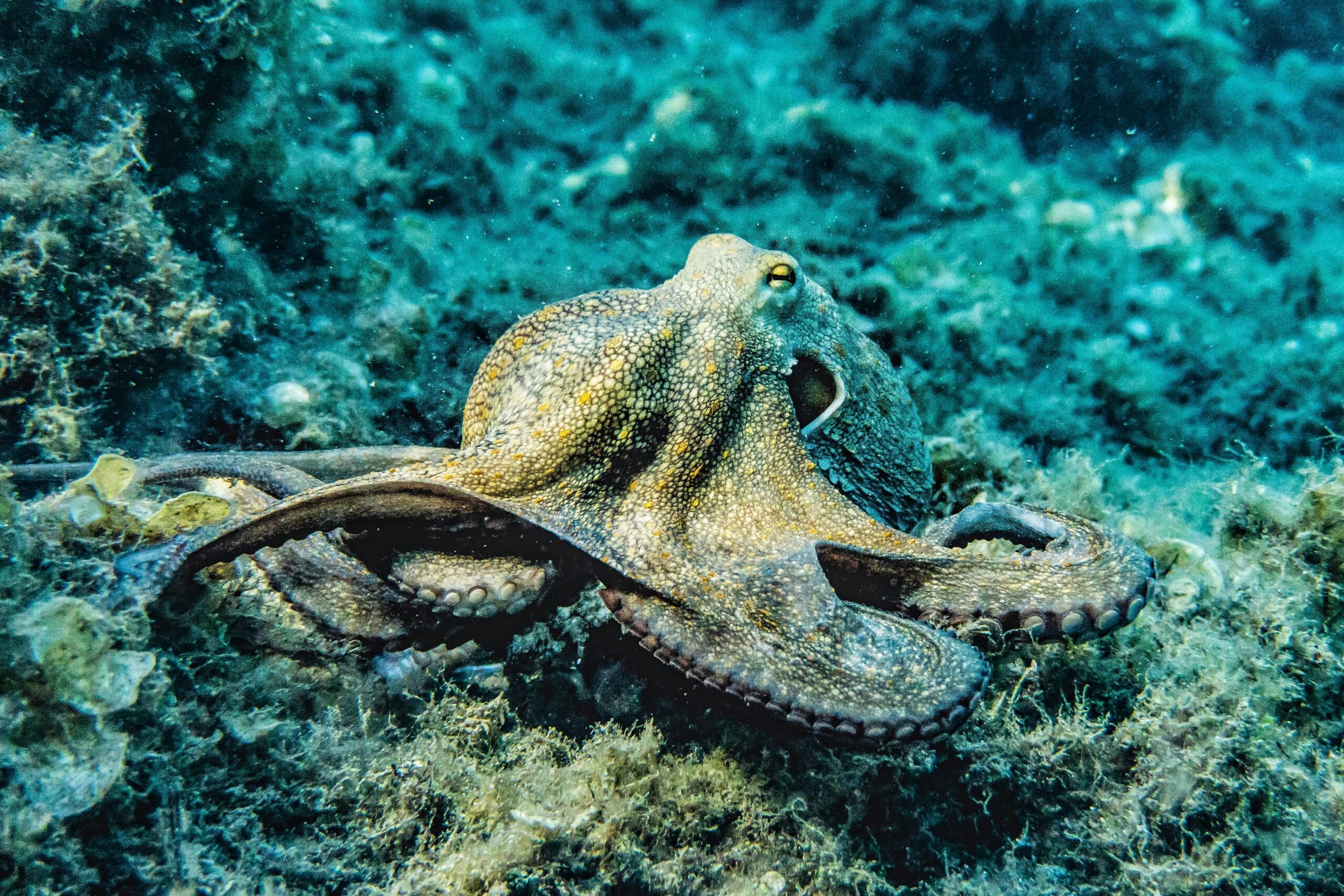
Tenerife’s marine biodiversity is amazing and is a major attraction for divers.
The island’s waters are home to a wide variety of species, from plants to animals that inhabit its unique ecosystems.
Common species
Among the most common species that can be found when diving in Tenerife are:
- Green turtles
- Trumpet fish
- Brunettes
- Stripes
- Clown fish
- Lobsters
-Green turtles
Green turtles are one of the most exciting encounters for divers.
These majestic creatures can often be seen in areas such as El Puertito de Armeñime.
Their elegant way of swimming and their peaceful nature make the experience of observing them unforgettable.
The protection they receive in various parts of the island contributes to their conservation and to increasing their population.
-Trumpet fish and others
The trumpetfish, with its elongated shape and colorful body, is a common inhabitant of reefs.
These fish are often found in groups and can be seen swimming among the rocks and corals.
Other species that complete this varied marine community include dolphins, angelfish and an impressive array of invertebrates, such as starfish and sea urchins, that inhabit the seabed.
Biodiversity in lava tubes
Tenerife’s lava tubes are a unique habitat where biodiversity flourishes.
These formations offer refuge to a great variety of species, which take advantage of the hiding places created by the volcanic rocks.
The tubes provide an ideal environment for many species of fish and other life forms.
Divers exploring these underwater passages have the opportunity to see a mixture of unique species that have adapted to these special conditions.
-Species in the lava tubes
- Coral species
- Small crabs
- Vibrantly colored fish
In addition, the interaction between flora and fauna in these ecosystems can be observed in the variety of algae that grow on the inner surfaces of the tubes.
Algae not only contribute to marine life by being a food source, but also contribute significantly to the aesthetics of the underwater environment.
Best dive centers
The island has a great variety of diving centers that adapt to the needs and preferences of divers.
Some of the most renowned are:
- Abyss Dive Center: Located on the south coast, this center specializes in recreational dives and PADI training courses for all levels.
- Scubanana: This center stands out for its experienced guides and personalized excursions to the best dive sites.
- Ocean Trek: Offers a welcoming atmosphere and a focus on safety, with state-of-the-art equipment and professional staff.
- Blue Marlin: With a wide range of dives and a dive equipment rental store, it is ideal for those looking for quality equipment.
Services and packages offered
Dive centers in Tenerife offer a variety of services and packages that allow you to customize your underwater experience.
- Guided dives: Most centers organize regular trips to the most popular dive sites on the island, guaranteeing a safe and enriching experience.
- Discover Scuba Diving: Designed for beginners, these programs allow you to make a first dive under the supervision of qualified instructors.
- Certification courses: Courses are offered from basic to advanced level, including PADI Open Water and Advanced Open Water certification.
- Night diving: This is an option offered by many centers for those who wish to experience marine life from a different perspective.
- Wreck diving: Some centers specialize in wreck diving, providing the necessary knowledge to explore these fascinating ecosystems.
Most centers have adequate facilities, including showers, changing rooms and rest areas, creating a comfortable environment for divers between dives.
Equipment is also available for rent and for sale, ensuring that everyone has access to the right equipment.

The history of diving in Tenerife is intertwined with the evolution of the island and its relationship with the sea.
Over the centuries, practices related to underwater exploration have changed radically, reflecting technological advances and a growing awareness of the importance of the marine ecosystem.
Evolution of diving on the island
Since ancient times, the inhabitants of Tenerife have depended on the sea for their livelihood.
Fishing has been an essential activity, which led to the first forms of diving.
Initially, divers used primitive techniques, such as diving without specialized equipment, to gather shellfish and fish.
Over time, the advent of new technologies in the 20th century spurred the development of scuba diving as a recreational activity.
By the middle of that century, the use of wetsuits and compressed air equipment made it possible for more people to explore the deep sea safely and effectively.
There was an increase in the popularity of scuba diving, which encouraged the formation of schools and clubs dedicated to this activity.
- Certification courses were introduced for those who wanted to deepen their skills.
- Diving expeditions became common, taking place both in the island’s waters and in other destinations around the world.
- The diving industry began collaborating with conservation initiatives to protect marine biodiversity.
Garachico and its historic port
Garachico, a former fishing port, has witnessed the history of diving in Tenerife since its beginnings.
During the 17th century, this port played a crucial role in the island’s economy, being a trading and fishing point.
Its waters, rich in marine resources, attracted fishermen and divers alike.
Garachico’s legacy lies not only in its history as a port.
The remains of sunken ships in its surroundings have become an attraction for diving enthusiasts.
These wrecks are not only a refuge for various marine species, but also represent a tangible link to the rich maritime history of the region.
Interest in diving has grown hand in hand with the importance of preserving these historic sites, ensuring that future generations can enjoy the underwater wonders that Tenerife has to offer.
How to prepare for diving in Tenerife
Preparation is essential before any dive.
Here are some suggestions:
- Take a diving course with a recognized certification, such as PADI or SSI.
- Check diving equipment.
Make sure the suit, regulators and other items are in optimal condition. - Check sea conditions and weather forecast.
Currents and visibility may affect the quality of the dive. - Report any health problems or medical conditions to instructors or dive guides prior to the dive.
- Listen and follow the indications of the guides.
They know the area and what to do and what not to do.
Recommendations for beginners and experts
Divers, regardless of their level of experience, should take certain precautions during dives.
These recommendations will help ensure safety and enjoyment of the activity.
-Tips for beginners
- Always dive with an experienced instructor or guide.
Orientation is key to learn and enjoy the activity. - Practice basic skills in the water before the dive.
This includes breathing through the regulator and equipment handling. - Choose dives appropriate to experience level.
Start in places with calm conditions and adequate visibility. - Remain calm and do not panic if something unexpected happens.
Deep and controlled breathing is essential.
-Tips for experienced divers
- Regularly update training and certifications to stay current with best practices and regulations.
- In addition to immersion, participate in additional activities such as buddy rescue or specialization courses.
- Know and respect the marine environment.
Avoid touching or altering the underwater fauna and flora. - To be aware of personal and physical limits.
Not to exceed the acquired abilities and skills.