
The best museums in Fuerteventura: a journey through its history and culture.
Fuerteventura has a rich offer of museums that reflect its history and culture. These spaces allow you to discover the heritage of the island and its legacy over time. Each museum offers a unique perspective of the traditions, customs and daily life of its inhabitants. Visiting these places is essential to understand the identity of Fuerteventura.
Fuerteventura surprises not only with its volcanic landscapes and paradisiacal beaches, but also with its historical and cultural richness. The island is home to museums that allow you to understand its roots, traditions and the life of its inhabitants over time.
From centers dedicated to ethnography and traditional fishing to contemporary art spaces, each museum offers a unique experience for those who wish to know the island beyond its nature.
- 1. The 12 best museums in Fuerteventura
- 2. History and legacy of the museums of Fuerteventura
- 3. Fuerteventura Archaeological Museum
- 4. Unamuno House-Museum
- 5. Ecomuseum La Alcogida
- 6. Salt Museum
- 7. Museum of Traditional Fishing
- 8. Majorero Cheese Museum
- 9. Los Molinos Interpretation Center
- 10. Interpretation Center of the Natural Park of Jandía
- 11. Interpretation Center of the Battles of El Cuchillete and Tamasite.
- 12. La Atalayita Village
1. The 12 best museums in Fuerteventura
2. History and legacy of the museums of Fuerteventura
Museums in Fuerteventura are witnesses of the cultural and patrimonial legacy of the island. Their evolution reflects the importance of preserving the historical memory and traditions of the local community.
Historical evolution
The history of the museums of Fuerteventura dates back to the need to preserve and exhibit the rich heritage of the island. Since its inception, these spaces have sought to show the essence of the different stages of life in Fuerteventura, including from the time of the aboriginal mahos to the present. Over the decades, the museum offer has grown, integrating new approaches and disciplines, reflecting the cultural dynamism of the island.
Role of the Cabildo of Fuerteventura
The Cabildo of Fuerteventura has been crucial in the management and promotion of museums. This insular body has promoted projects for the restoration and conservation of spaces, ensuring that the cultural wealth of the island is maintained. Through educational and cultural initiatives, the Cabildo encourages the participation of the community in the enhancement of its heritage. Investment in museums allows residents and visitors alike to gain a deeper understanding of the island’s identity.
3. Fuerteventura Archaeological Museum
The Archaeological Museum of Fuerteventura, located in Betancuria, preserves and presents the important cultural legacy of the island. Its collection offers a deep insight into the civilizations that inhabited Fuerteventura over the centuries.
Archaeological exhibits
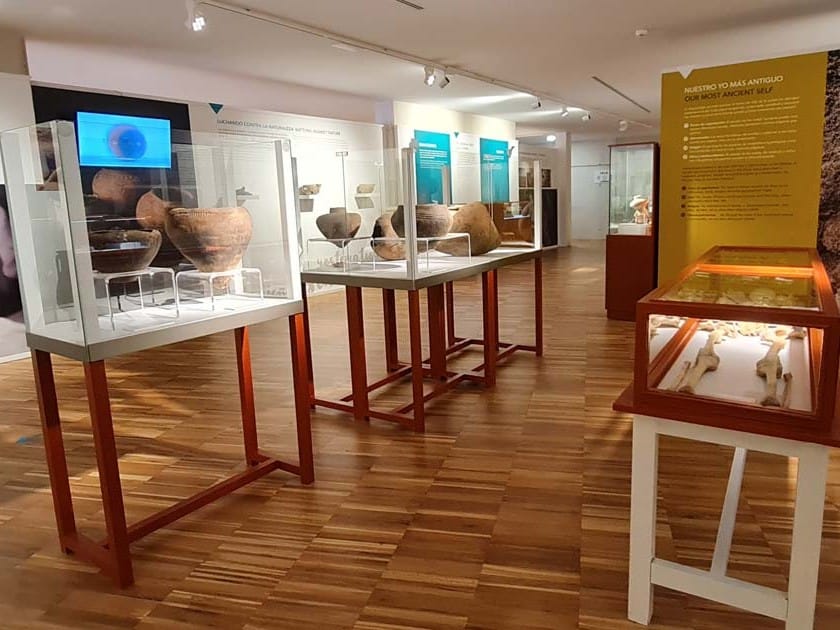
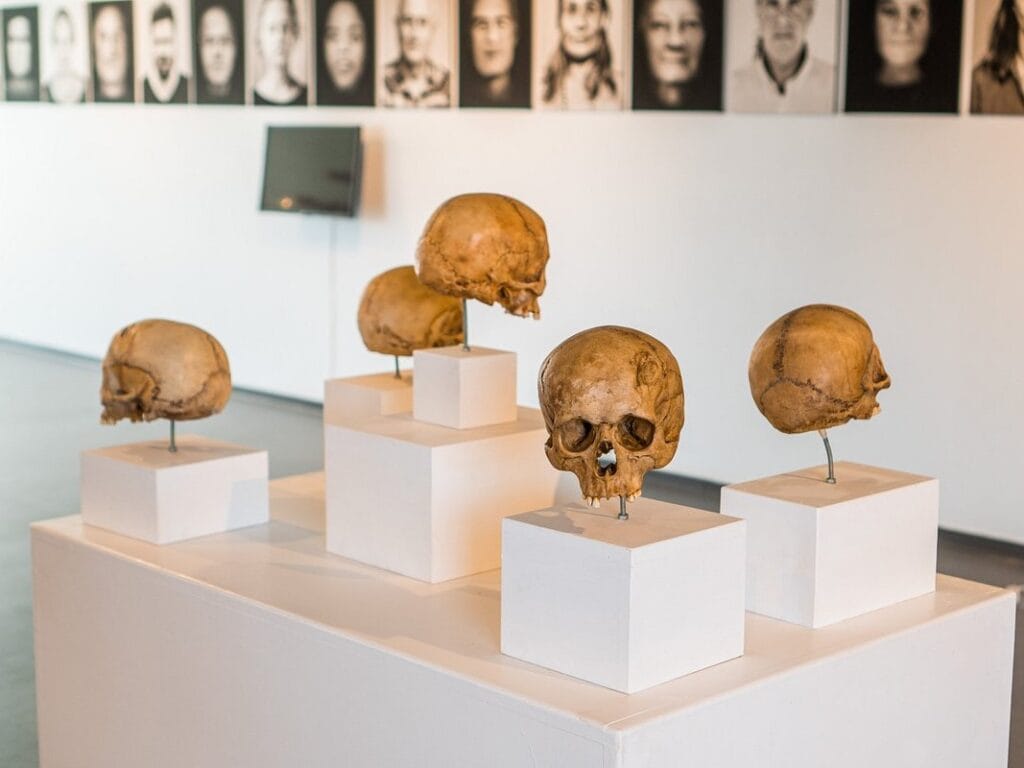
Within its facilities, the archaeological exhibits make a tour of the most significant findings of the island. Visitors can appreciate objects that reflect the history and development of the first Canary Island communities.
Tools and ceramics
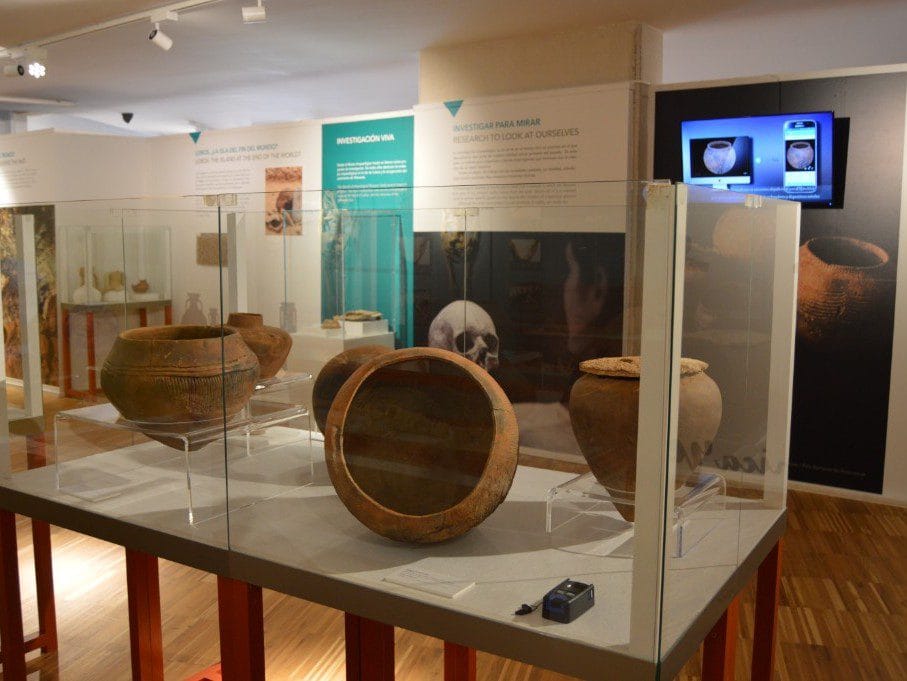
The collection includes a varied sample of:
- Tools used by the ancient Mahos, evidencing their knowledge of hunting and gathering techniques.
- Ceramics that reveal the styles and cultural influences that marked the daily life of its inhabitants.
These elements provide a better understanding of the technology and art of the time, adding incalculable value to the island’s archaeological heritage.
Life of the ancient mahos
The exhibitions also invite to reflect on the life of the mahos, the aborigines of Fuerteventura. Recreations and illustrative elements are presented:
- Their customs and traditions.
- Methods of subsistence and social organization.
Thus, the museum becomes a key place to understand the cultural identity of the island and its evolution over time.
4. Unamuno House-Museum
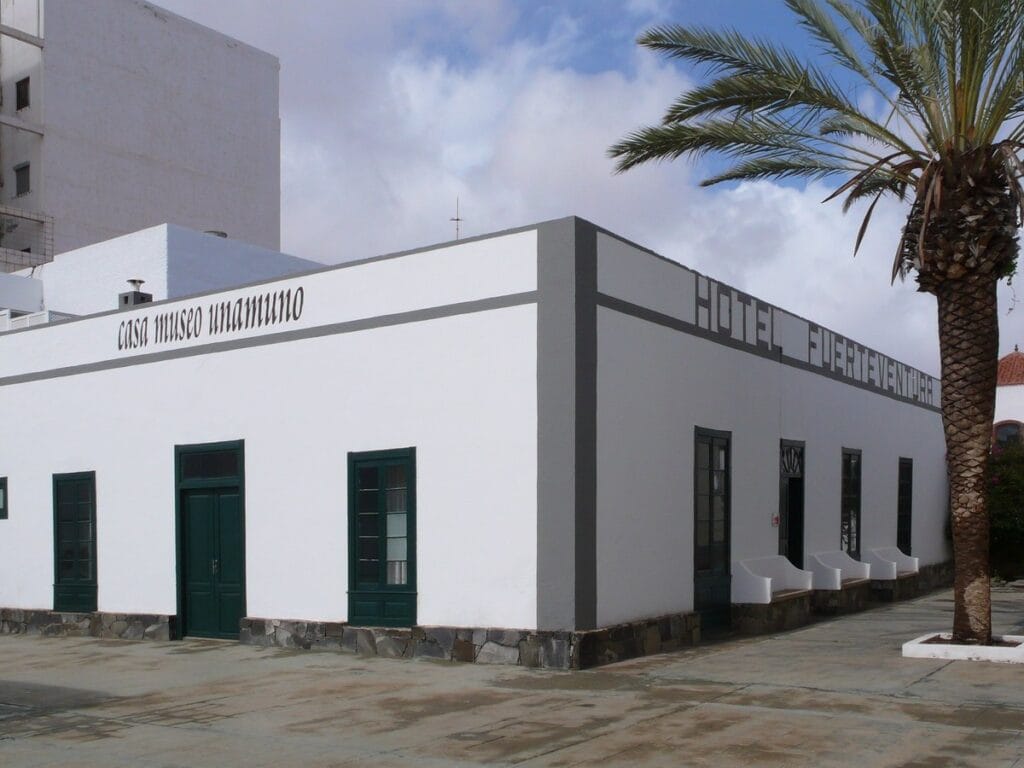
The House-Museum Unamuno, located in Puerto del Rosario, is a space that pays tribute to the famous writer Miguel de Unamuno, who lived in Fuerteventura during his exile in 1924.
Life and work of Unamuno
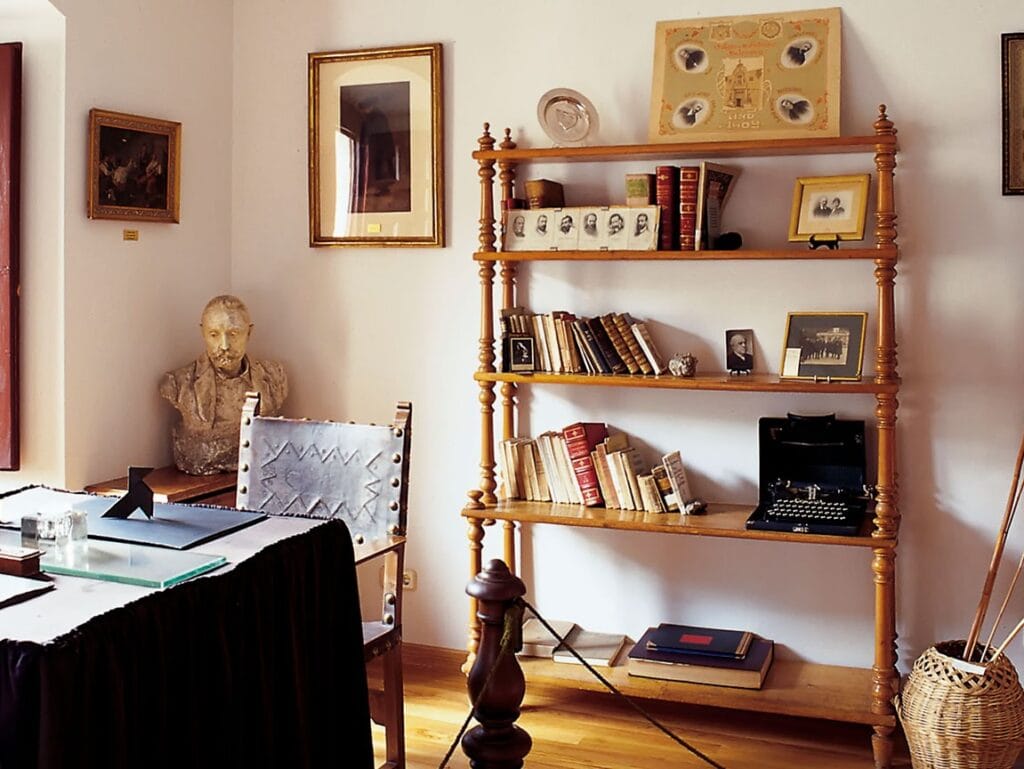
During his stay on the island, Unamuno wrote some of his most significant works. This museum houses a collection of personal objects and manuscripts that allow us to learn more about his life. The atmosphere of the house, which retains decorative elements of the time, offers a closer look at his daily life and the influences he received from the Canary culture. Among the exhibits are letters, photographs and books that reflect his passion for literature and philosophy.
Influence on Canarian culture
Unamuno left a deep mark on the culture of Fuerteventura and the rest of the Canary Islands. His relationship with the island and its people resulted in a significant cultural exchange, which is reflected in his writings. Through activities and exhibitions, the museum promotes the legacy of Unamuno and his influence on later Canarian authors. This connection is manifested in the celebration of literary events, which honor his memory and encourage reading and critical analysis among visitors.
5. Ecomuseum La Alcogida
This museum represents a model of conservation and dissemination of the cultural heritage of Fuerteventura. Through rehabilitated spaces, it offers an authentic experience that allows you to delve into the local tradition.
Traditional architecture
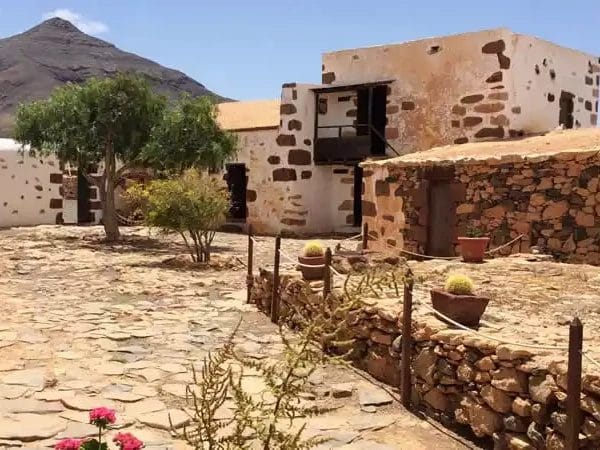
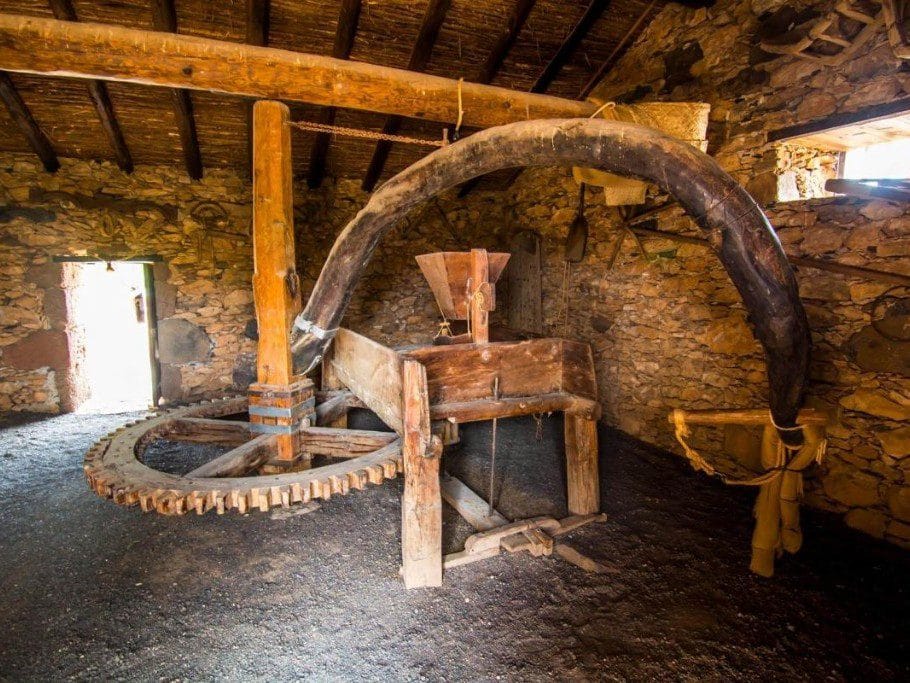
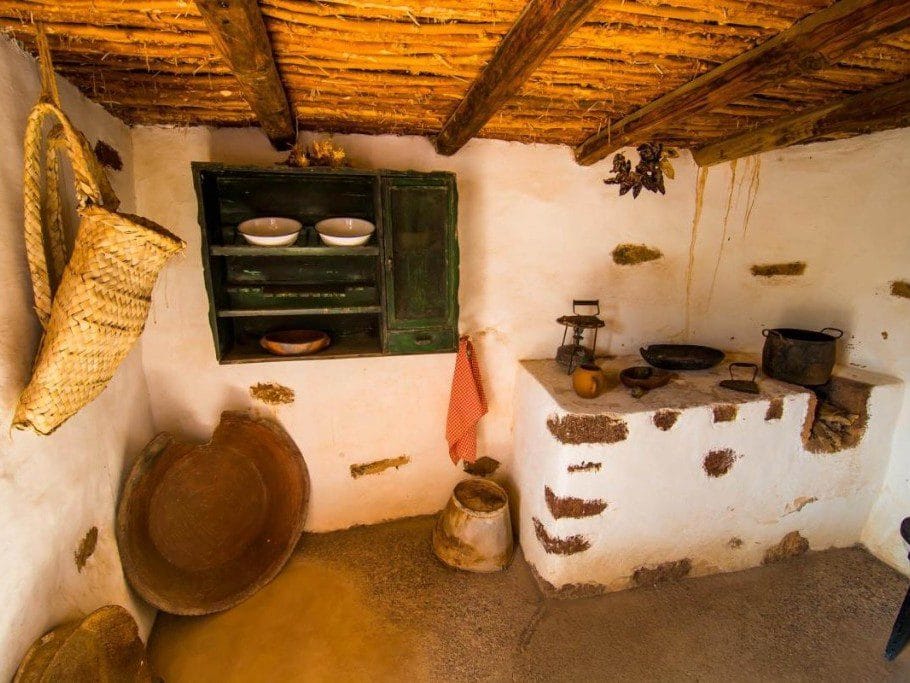
The buildings in the Ecomuseum La Alcogida are a reflection of the typical architecture of Fuerteventura. The houses, with their palm roofs and stone walls, have been restored to offer a realistic view of rural life on the island. These spaces show how local resources were used in the building, keeping the essence of the majorera culture.
Craft trades
The traditional trades exhibit at La Alcogida allows visitors to better understand the skills and techniques that have endured through the years. Available workshops include:
- Pottery: You can observe the typical ceramic manufacturing process.
- Agriculture: Traditional agricultural practices used on the island are shown.
- Livestock: There is a focus on raising native animals and the customs associated with this activity.
Rural life in Fuerteventura
The Ecomuseum offers an authentic look into the daily life of Fuerteventura’s inhabitants. Visitors can explore how the families of yesteryear were organized, the daily customs and local festivals that anchored the community. This space allows visitors to relive the island’s history through hands-on experiences that evoke the past, promoting the appreciation of Fuerteventura’s cultural heritage.
6. Salt Museum
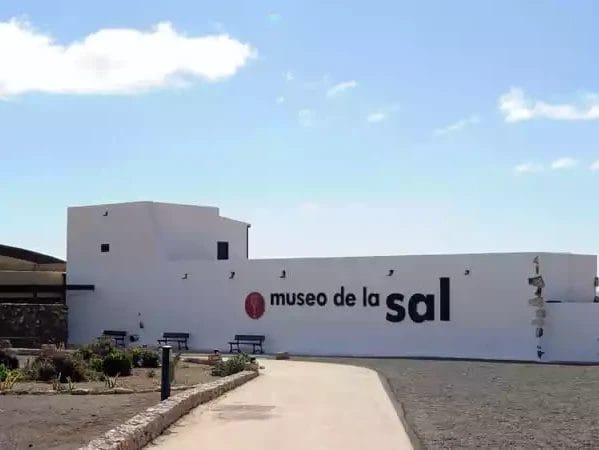
Located in Las Salinas del Carmen, the Salt Museum offers a journey through the history of salt extraction in Fuerteventura. This emblematic place shows the importance of salt in the daily and economic life of the island.
Salt production process
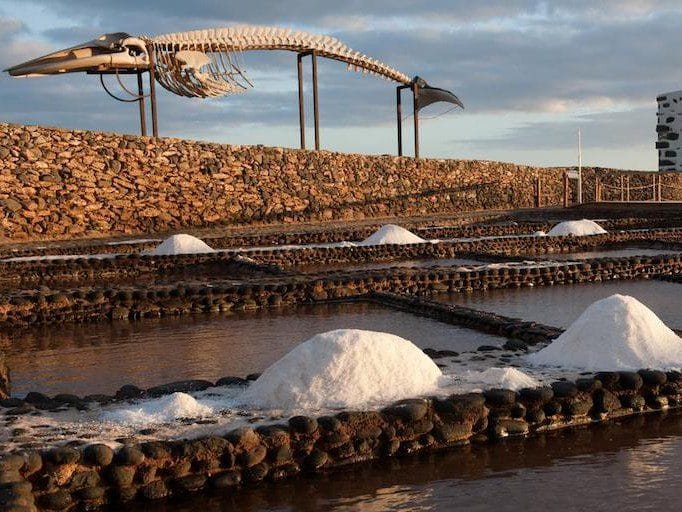
Salt has been a vital resource for the inhabitants of Fuerteventura. In the museum, visitors can observe the traditional process of obtaining salt from sea water. The salt pans, which are channels designed for evaporation, are essential in this process. Guided tours explain how the water is channeled and concentrated, allowing the salt to crystallize.
Cultural importance
Salt has not only been an economic product, but an element deeply rooted in the local culture. Its extraction has influenced customs, gastronomy and traditions of the island. This museum highlights how salt production has been part of the island’s identity. The ancient techniques and knowledge passed down from generation to generation underline its cultural relevance in the history of Fuerteventura.
7. Museum of Traditional Fishing
This museum is located in El Cotillo, in the Faro del Toston. It is dedicated to preserve and expose the rich fishing tradition of Fuerteventura, a fundamental aspect of local culture.
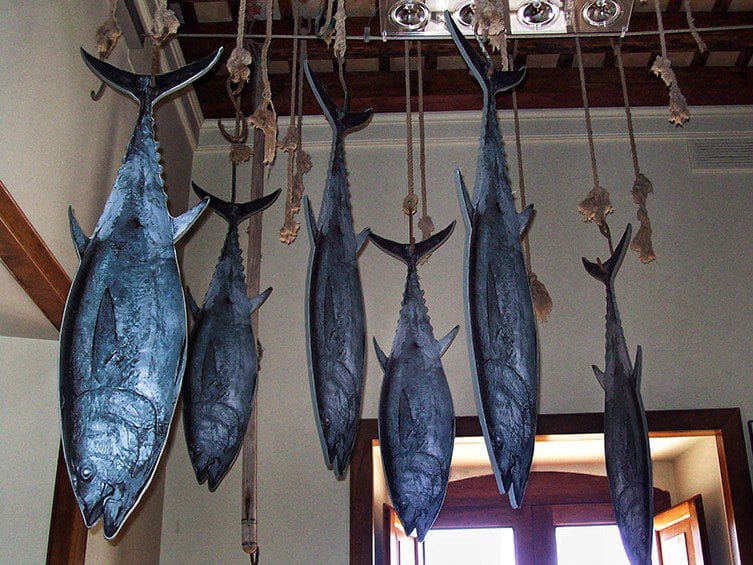
History of fishing in Fuerteventura
Fishing has been an essential activity in Fuerteventura since time immemorial. Over the centuries, the techniques used by fishermen have evolved, reflecting adaptations to changes in the environment and market demand. This museum shows how fishing has not only sustained island communities, but also forged their cultural identity. Visitors can learn about the different types of fishing, as well as the daily life of those who engage in this work.
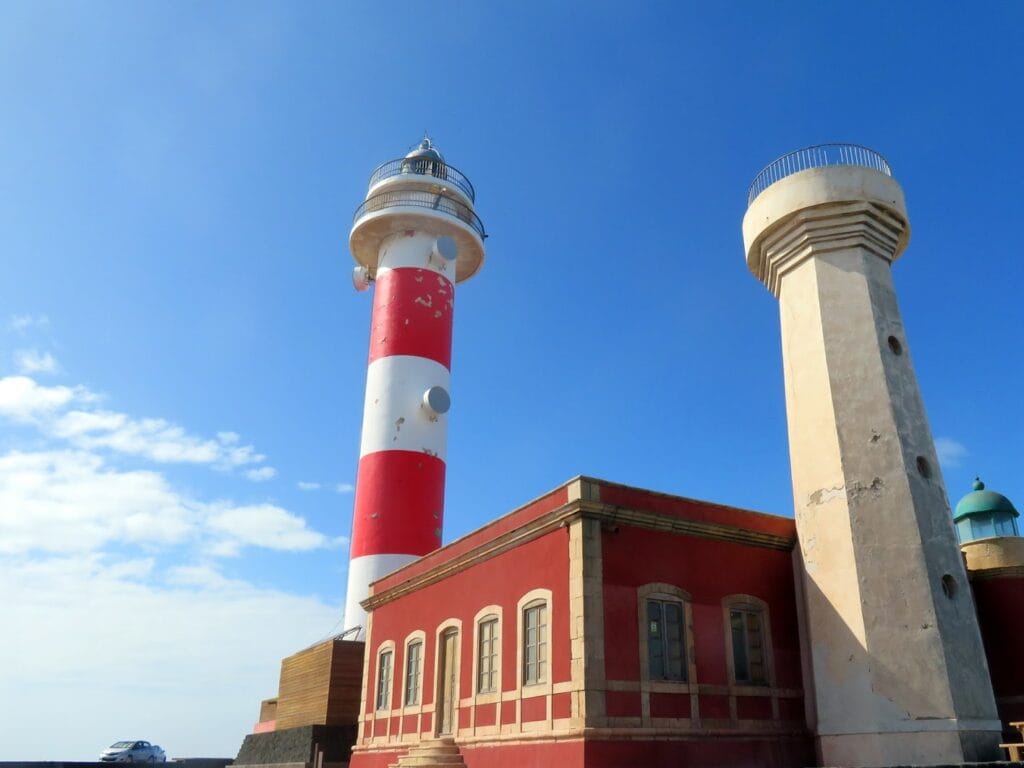
Views of Faro del Tostón Lighthouse
The Museo de la Pesca Tradicional also offers spectacular views of the Faro del Tostón, an emblematic lighthouse that has guided navigators for years. From the museum, you can contemplate seascapes that evoke the intimate connection between the island and the ocean. This proximity to the sea enriches the visitor’s experience, providing a visual context for Fuerteventura’s maritime history. The natural environment complements the visit, inviting to reflect on the importance of the sea in the life of the majoreros.
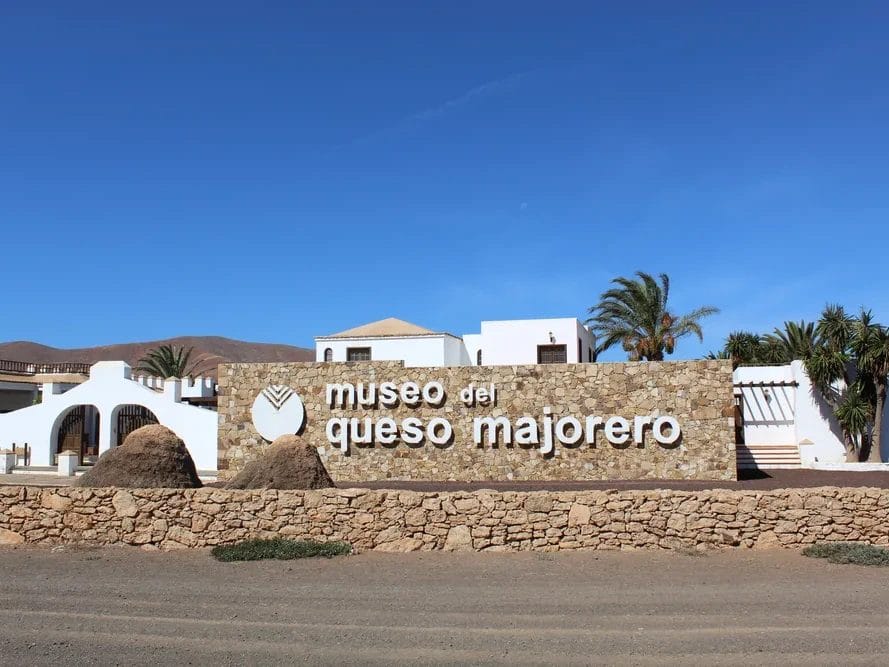
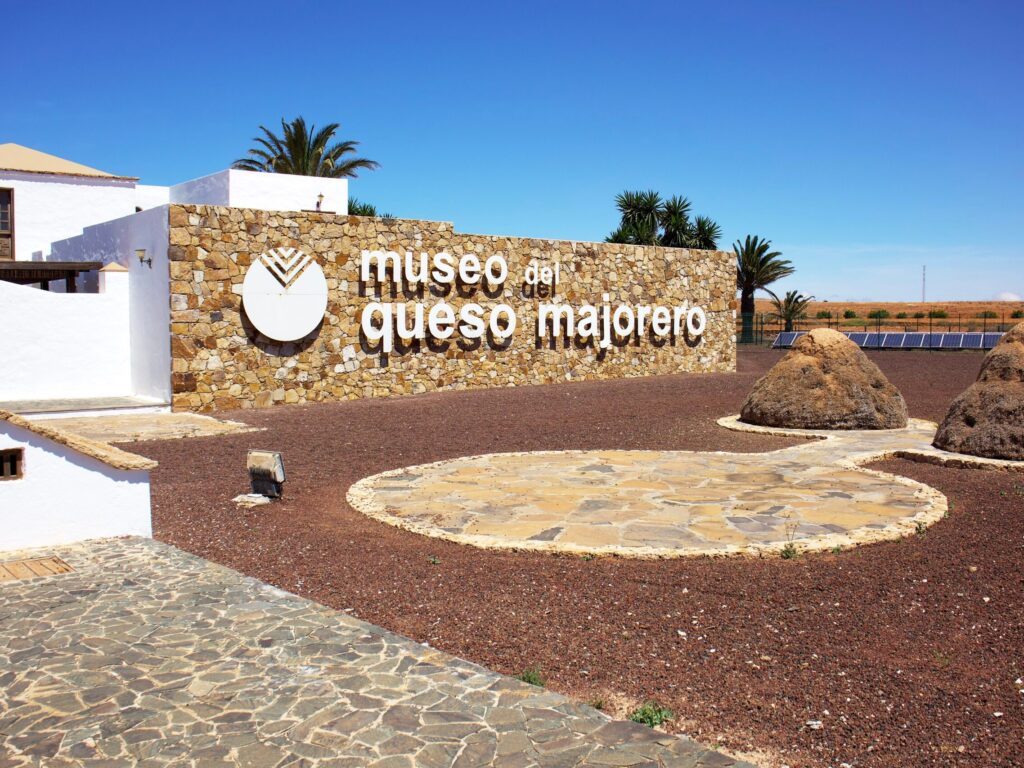
8. Majorero Cheese Museum
This museum pays tribute to one of the most emblematic products of Fuerteventura: the majorero cheese, a symbol of Canarian gastronomy.
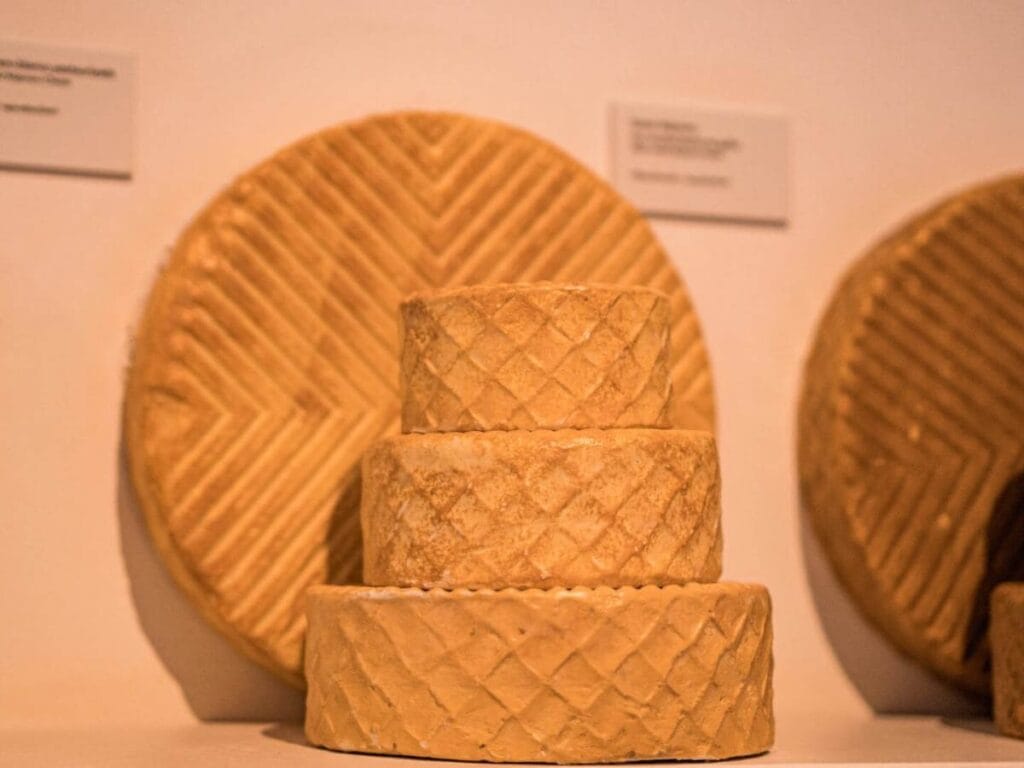
Elaboration of majorero cheese
The production of Majorero cheese follows traditional techniques that have endured over the years. Visitors can learn about the complete process, which includes:
- Reception of Majorero goat’s milk, an autochthonous breed of the island.
- Curdling and molding of the dough to give it shape.
- Salting, which is key to the preservation and flavor of the cheese.
- Ripening, where the cheese develops its characteristic texture and aroma.
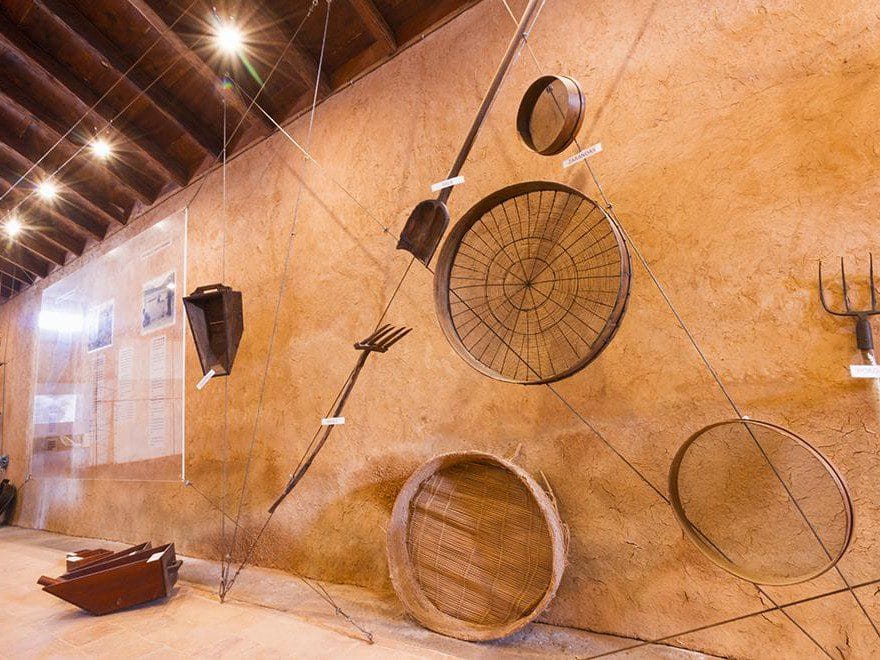
During the visit, you can observe tools and equipment used in local production, as well as participate in workshops where you can learn how to make cheese.
Gastronomic importance
Majorero cheese is not only a delicious product, but also a fundamental pillar of Canarian cuisine. Its versatility allows it to be tasted in different ways:
- On cheese boards, accompanied by gofio and local jams.
- In traditional dishes, such as salads or roasts.
- In tastings that highlight its flavor and variety.
This cheese has gained recognition in fairs and competitions, representing the cultural richness of Fuerteventura and the dedication of its artisans. A visit to the museum is not only a way to learn about its production, but also to appreciate its role in the gastronomic identity of the island.
9. Los Molinos Interpretation Center
This center offers a space dedicated to the preservation of the history of windmills in Fuerteventura. Through various exhibitions and activities, it delves into the relevance of these structures in the island's cultural heritage.
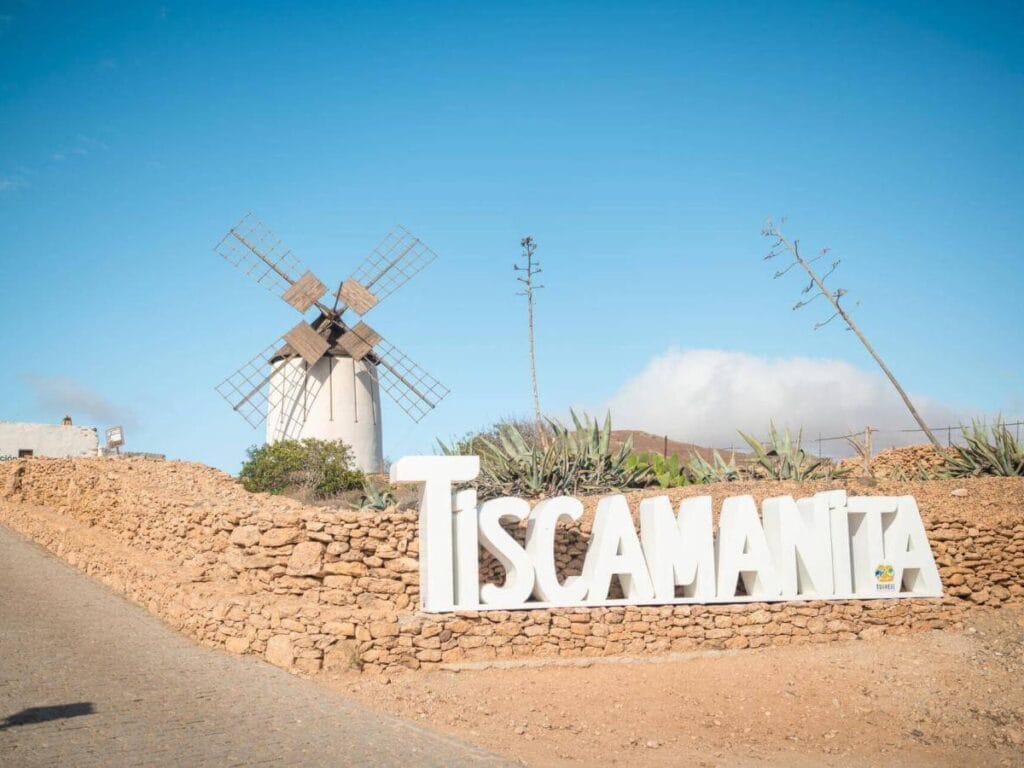
History of windmills
Windmills have been fundamental in the agricultural history of Fuerteventura. These constructions were mainly used to grind cereals and obtain gofio, a staple food in the Canarian diet. Over the centuries, the mills have evolved in design and functionality, adapting to the conditions of the environment and the needs of the population.
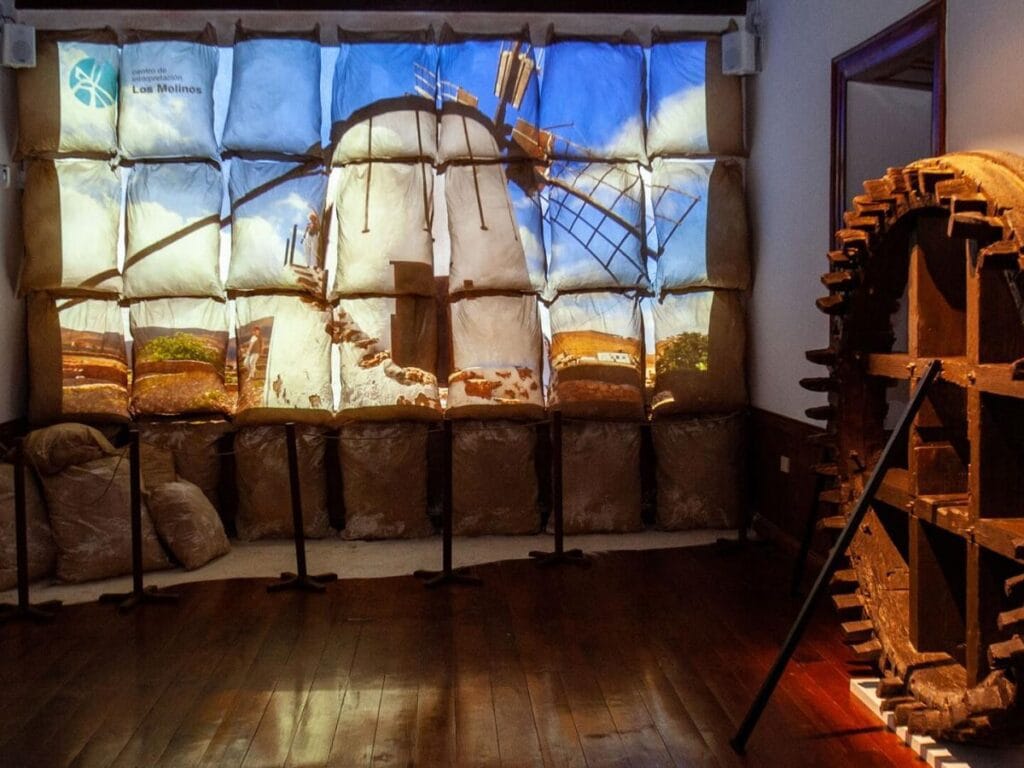
Gofio cultivation and processing
The process of making gofio is an integral part of the cultural identity of Fuerteventura. This food, made from cereals such as wheat and corn, is produced through a careful process that includes harvesting, drying and grinding. Visitors can learn about the traditional techniques used in the production of gofio. Some of the highlights include:
- The selection of quality grains.
- The toasting process, which gives gofio its characteristic flavor.
- The interaction of the mills with local agricultural production.
10. Interpretation Center of the Jandía Natural Park
This center is key for visitors interested in the natural wealth of the Natural Park of Jandía. It offers information about the biodiversity and the effort to conserve this valuable ecosystem.
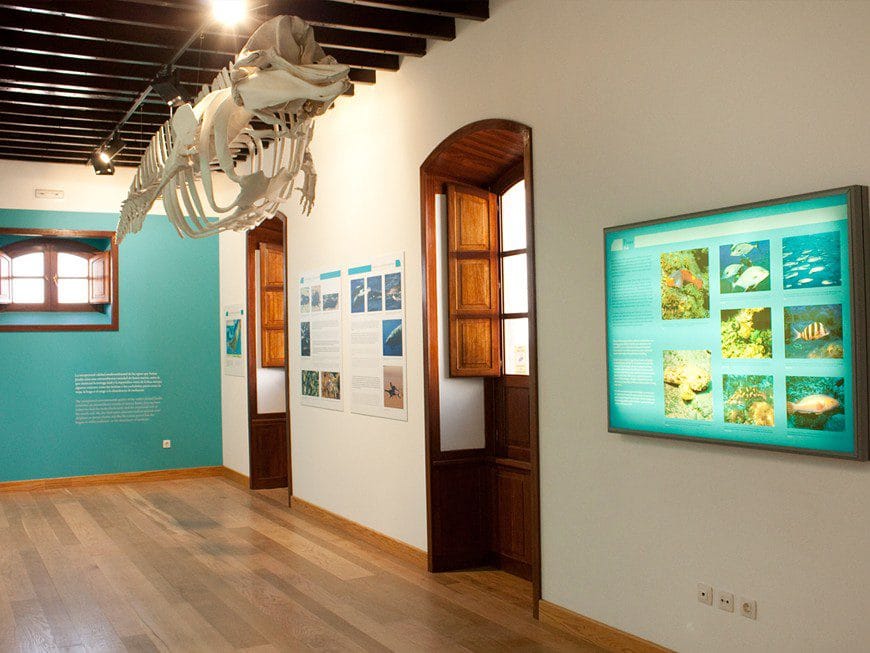
Local flora and fauna
In the Natural Park of Jandia, there is a rich variety of plant and animal species. Among the main characteristics, the following stand out:
- Xerophytic vegetation adapted to arid conditions.
- Canarian endemisms, such as some plant species found only in this region.
- Migratory and resident bird populations that enrich the local avifauna.
The space encourages the observation of these species through trails designed for environmental education.
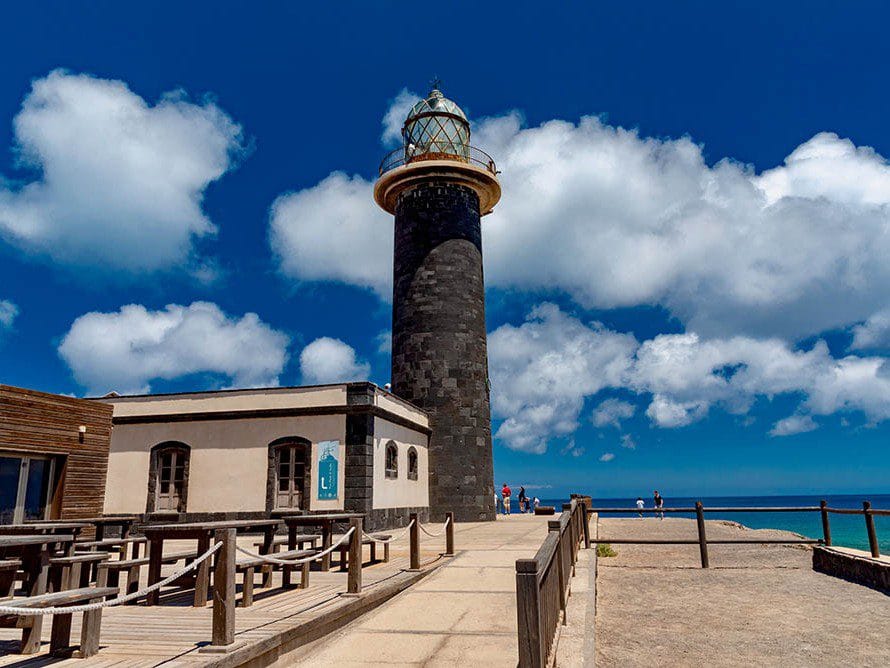
Environmental conservation
The conservation of this natural park is essential to maintain biodiversity and ecological balance. We have several initiatives to:
- Encourage sustainable practices among visitors.
- Develop educational programs that raise awareness of the importance of the environment.
- Conduct research to monitor ecosystem health.
These actions contribute to the protection of the landscape and natural resources, ensuring their preservation for future generations.
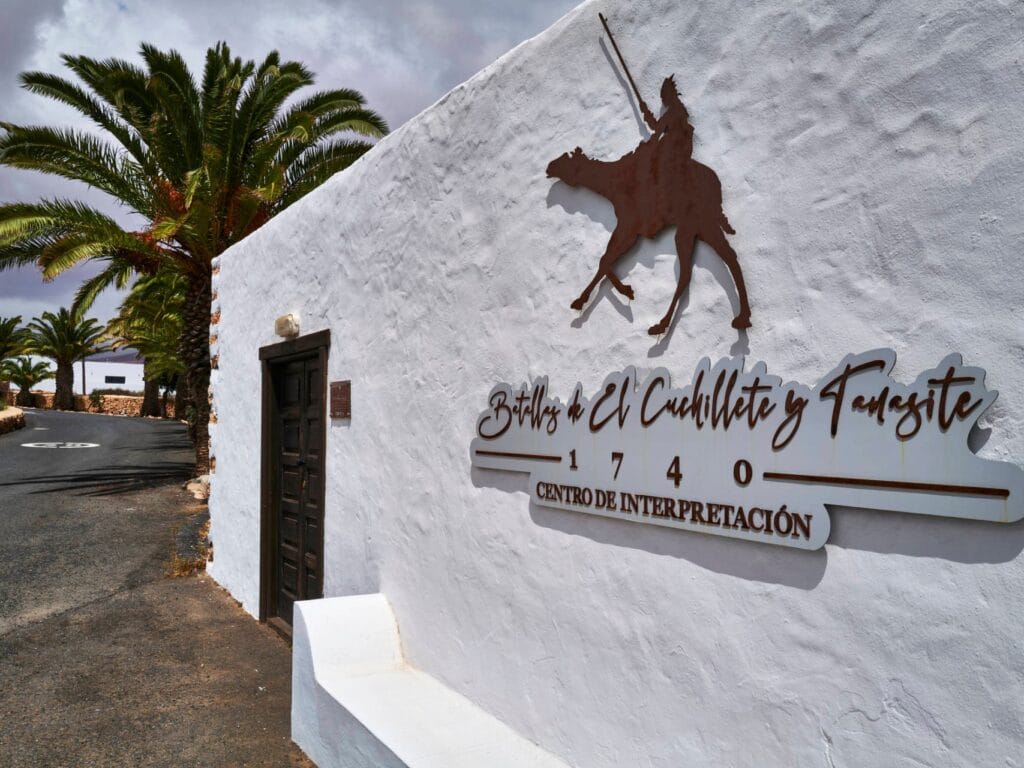
11. Interpretation Center of the Battles of El Cuchillete and Tamasite.
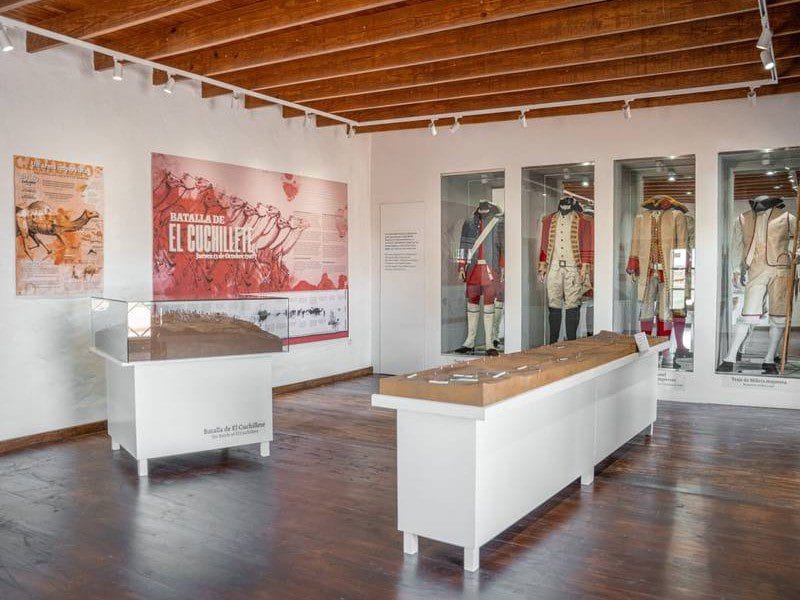
This center focused on the island's military history offers an in-depth look at the war events that marked Fuerteventura's past. Through various exhibitions, the repercussions of these battles on the local community are explored.
Interactive exhibits
The center’s interactive exhibits allow visitors to immerse themselves in the history of the conflicts that took place on the island. A variety of technologies are used to provide an enriching experience. Some of the features of these exhibits include:
- Three-dimensional recreations of significant battles.
- Audiovisual material that narrates the history of the confrontations.
- Informative panels explaining the historical contexts.
These dynamics not only provide information, but also invite visitors to reflect on the consequences of the war on the daily lives of the inhabitants of Fuerteventura.
Impact on the local community
The battles of El Cuchillete and Tamasite have left a deep imprint on the collective memory of the island. The center studies how these events influenced the social and cultural configuration of the communities. Some highlights include:
- Population changes and post-conflict migrations.
- The evolution of traditions and customs as a result of war history.
- Current initiatives to preserve historical memory and their importance.
This impact resonates in the present, contributing to the cultural identity of Fuerteventura and its legacy in the Canarian society.
12. La Atalayita Village
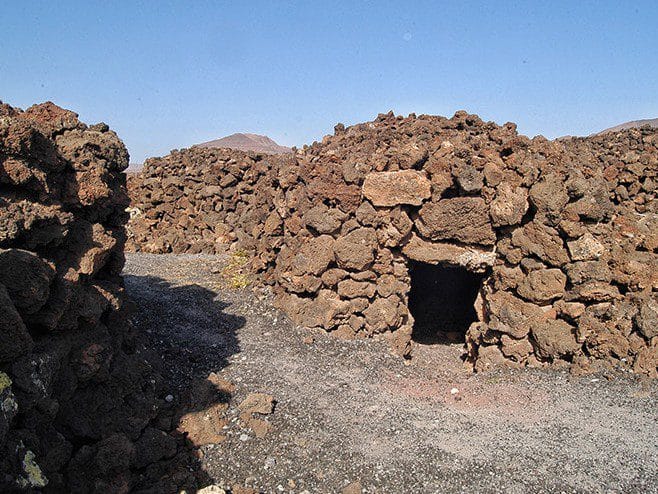
La Atalayita is a valuable archaeological site that allows to explore the history of the ancient inhabitants of Fuerteventura, the mahos. This site offers a unique insight into their daily life and social organization.
Archaeological site
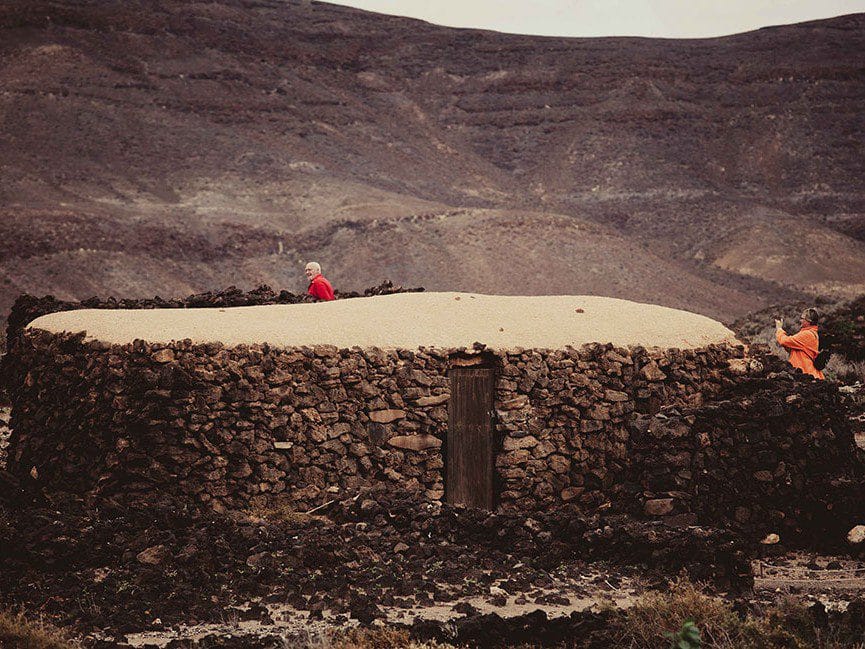
This settlement is characterized by its more than a hundred buildings, where work has been done on the restoration and conservation of the structures. La Atalayita is a clear example of the island’s traditional architecture. Visitors can observe the dwellings, which include elements such as:
- Various rooms.
- Storage areas.
- Collective structures used for community activities.
Each building tells the story of a past rich in customs and ways of life. Through excavation, materials have been recovered that reflect the daily activities of its former inhabitants.
Prehispanic life in Fuerteventura
The La Atalayita settlement not only offers a glimpse of the architecture; it also illuminates aspects of the culture and economy of the Mahos. Life in this place was linked to agriculture and livestock, as evidenced in:
- Crop residues.
- Ceramics used in food preparation.
- Agricultural work tools.
These elements contribute to the understanding of the social and agricultural environment of pre-Hispanic times. La Atalayita becomes an open-air museum, where the past is tangible and accessible.