
The best hiking trails in La Gomera: discover its unique landscapes
La Gomera is an ideal destination for hiking enthusiasts, with more than 600 kilometers of marked trails. The diversity of its natural environment, which includes mountains, ravines and laurel forests, offers routes for all levels. This article details the best hiking routes on the island, addressing both easy and more challenging options. It will explore the highlights of Garajonay National Park and provide practical tips for making the most of the experience.
La Gomera is a paradise for hiking lovers. Its traditional paths go through laurel forests, deep ravines, natural viewpoints and volcanic landscapes that seem to be taken from another world. Thanks to its network of well-marked trails, declared a Biosphere Reserve by UNESCO, touring the island on foot is one of the best ways to discover its essence.
Each route offers a different experience: from walks through the fog in the Garajonay National Park to routes that descend towards the coast with spectacular views of the Atlantic. In this guide we show you the best hiking routes in La Gomera, so you can enjoy its unique nature step by step and experience the island in an authentic way.
1. Natural environment and ecosystems of La Gomera
La Gomera stands out for its biodiversity and unique landscapes, where ecosystems that shelter a rich variety of flora and fauna are intertwined. Its mountainous geography and unique climate have given rise to an exceptional natural environment.
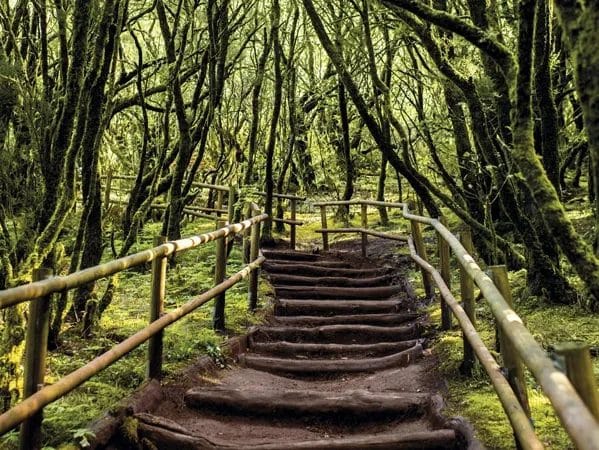
Thousand-year-old laurel forests
The laurel forests are one of the most precious natural treasures of La Gomera. This ecosystem, considered a World Heritage Site, is home to dense and lush vegetation that gives life to a large number of species.
Endemic vegetation: fayal and heathland.
Among the predominant vegetation are the fayal and heath. The fayal, composed mainly of laurel and fayal, is characterized by its shade and coolness. The heathland, on the other hand, is made up of heaths that are home to numerous species of endemic flora and fauna.
Emblematic species: cedar and blue tajinaste.
The Canary Island cedar is one of the most emblematic species of the island, known for its robustness and majestic bearing. The blue tajinaste, with its showy flowers, is also a symbol of La Gomera, blooming in spring and attracting pollinators.
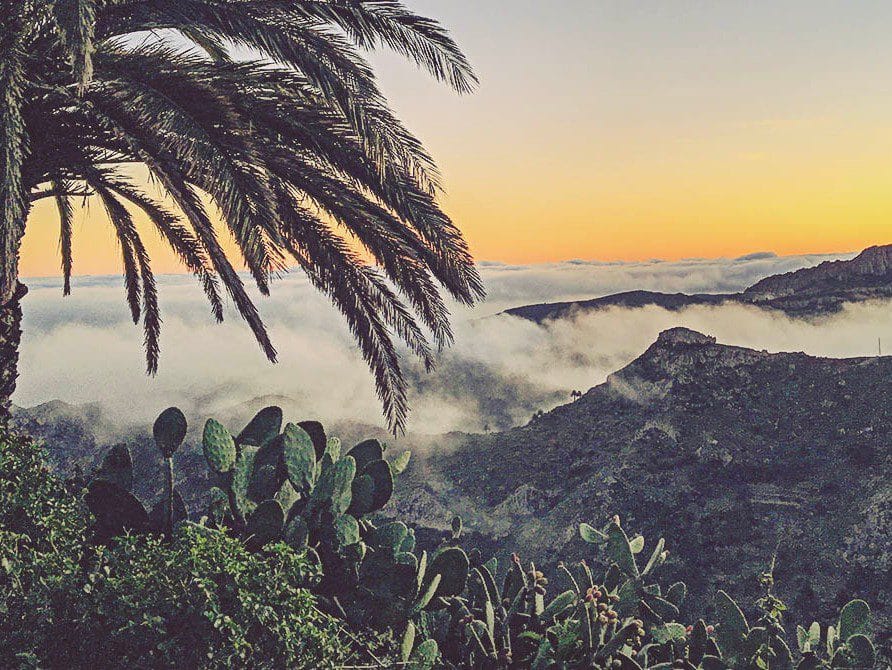
Climate and weather conditions
La Gomera’s climate is varied due to its topography. Weather conditions play a crucial role in the hiking experience and in the biological diversity of the island.
Influence of the trade winds
Trade winds bring humidity, favoring cloud formation and precipitation in mountainous areas. This phenomenon is vital for maintaining healthy vegetation and ecosystems.
Abrupt changes and basic recommendations
The weather in La Gomera can change quickly, going from bright sunshine to heavy rain in a matter of minutes. It is essential to be prepared, wearing appropriate clothing and rain protection while exploring the island’s nature.
2. Garajonay National Park and its network of trails.
Garajonay National Park is a protected area in La Gomera. This park is home to a vast collection of trails, perfect for exploring its rich biodiversity and magnificent landscapes.
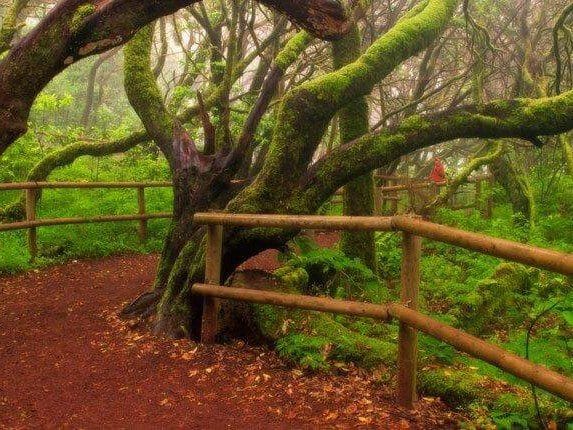
Characteristics of the national park
Designated as a World Heritage Site by UNESCO, this park stands out for its laurel forest, a unique subtropical forest. Its altitude varies from sea level to 1,487 meters, where the highest point of the island, Garajonay, is located. Visitors can enjoy a diverse ecosystem that is home to numerous endemic species.
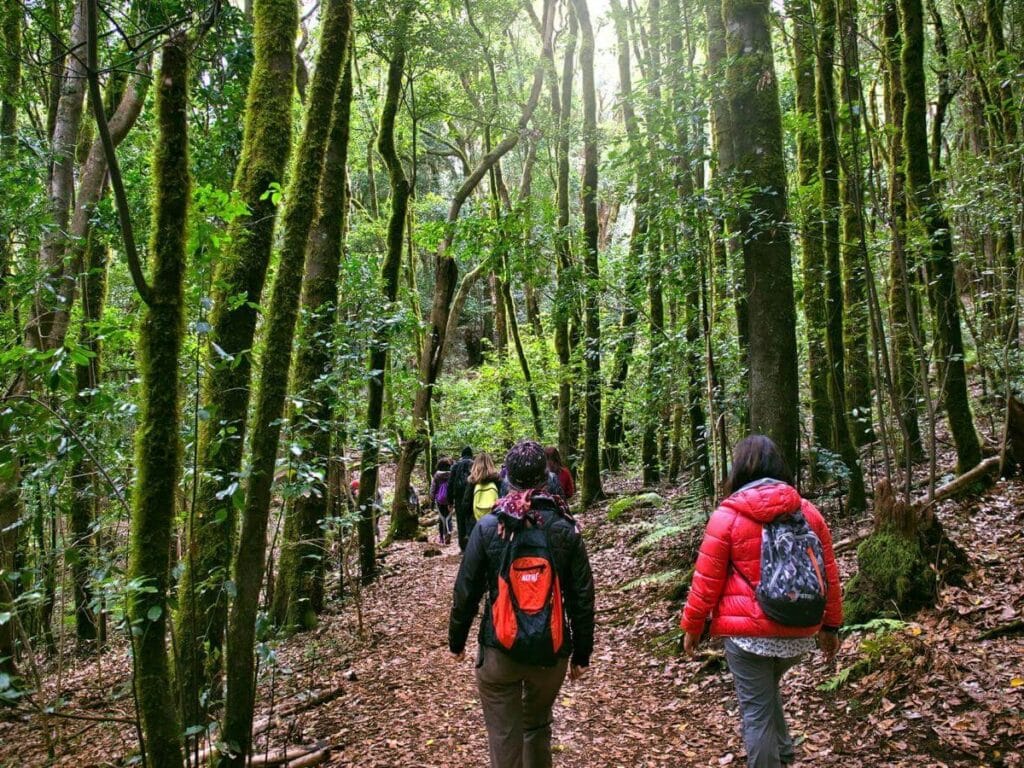
Main trails and their signage
The park has an extensive network of well-marked trails that allow hikers to explore different areas of this natural environment. The trails vary in difficulty and length, providing accessible options for both beginners and experienced hikers. The signage is clear and continuous, facilitating orientation during the hike.
Connections between routes
The trails in Garajonay are interconnected, allowing the creation of personalized itineraries. Hikers can opt for combinations of routes, which broadens the possibilities for exploration. Some notable connections make it possible to move from an easy route to a more challenging one, adapting to the needs of visitors.
Safety and maintenance
Safety is a priority in the park. Trails are regularly maintained to ensure that they are in optimal condition. It is advisable to follow the indications on the signs and respect the safety warnings to enjoy a safe and pleasant experience. Each route has signage that warns of the level of difficulty and possible risks.
3. Easy routes for all audiences
La Gomera offers several accessible routes, perfect for families and those looking to enjoy hiking without complications. These routes are ideal for exploring the unique landscapes of the island.
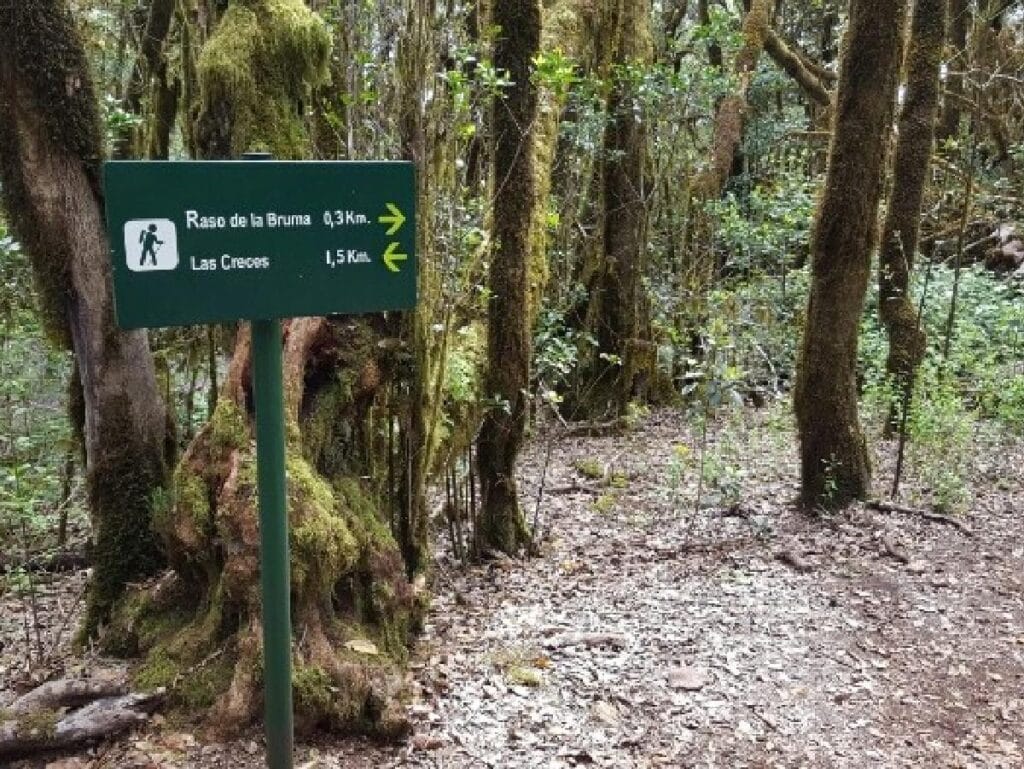
Raso de la Bruma Trail
Distance, elevation gain and duration
With a length of 1.2 km, the Raso de la Bruma Trail is an easy hike. The elevation gain is 70 meters, making it suitable for all levels. It can be completed in approximately 45 minutes, providing easy access to nature.
Viewpoint of Risquillos de Corgo
During the tour, you will find the Risquillos de Corgo viewpoint, an outstanding point that offers spectacular views of the surroundings. This viewpoint is a perfect pause to enjoy the scenery and take pictures.
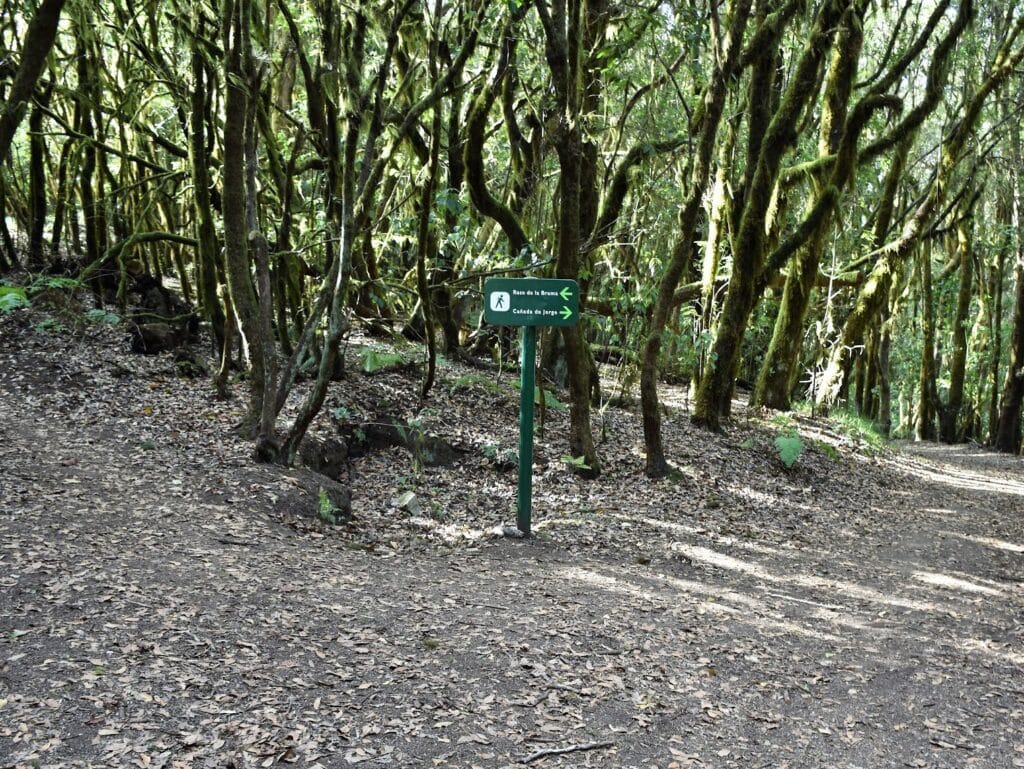
La Cañada de Jorge
History and usefulness of the old canal
This trail, 3.2 km long and 120 meters high, allows you to explore an ancient canal that used to supply water to nearby communities. Its history is intertwined with that of the aborigines, reflecting human ingenuity in harmony with nature.
Local flora and fauna
Along La Cañada de Jorge, it is possible to observe various species of endemic flora and fauna. Among the rich vegetation, you can see native plants, testimonies of the biodiversity that characterizes La Gomera.
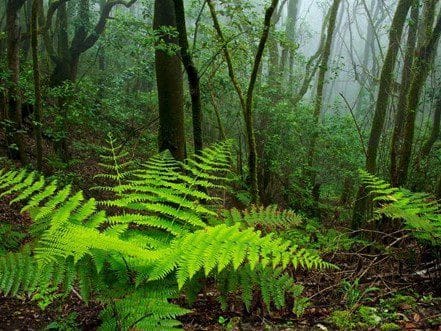
Las Creces Trail
Featured flora: Canary Island geranium
This 4.2 km trail enters a laurel forest landscape, where the Canary geranium stands out for its beauty. During spring, the flowers contribute to a vibrant and colorful spectacle, enriching the hiking experience.
Recreational area and services
The Sendero de Las Creces has a popular recreational area, ideal for picnicking or resting. There are basic facilities that facilitate the enjoyment of a day outdoors, catering to the needs of visitors.
4. Routes of medium difficulty and long duration
This section explores routes that offer a greater challenge, ideal for more experienced hikers. The selected routes stand out for their breathtaking scenery and connection with nature.

Contadero - El Cedro
Trail profile and elevation gain
The route from Contadero to El Cedro covers a distance of 5.8 km with an elevation gain of 280 meters. This trail is characterized by its scenic diversity, as it crosses areas of laurel forest and offers both gentle and steeper stretches. The estimated travel time is approximately two hours.
Connections with other routes
This route allows linking with other routes, enriching the hiking experience. The available connections include stretches to the Alto de Garajonay and El Cedro, making it possible to create more extensive circuits. Hikers can decide the length of their hike according to their time and demand.
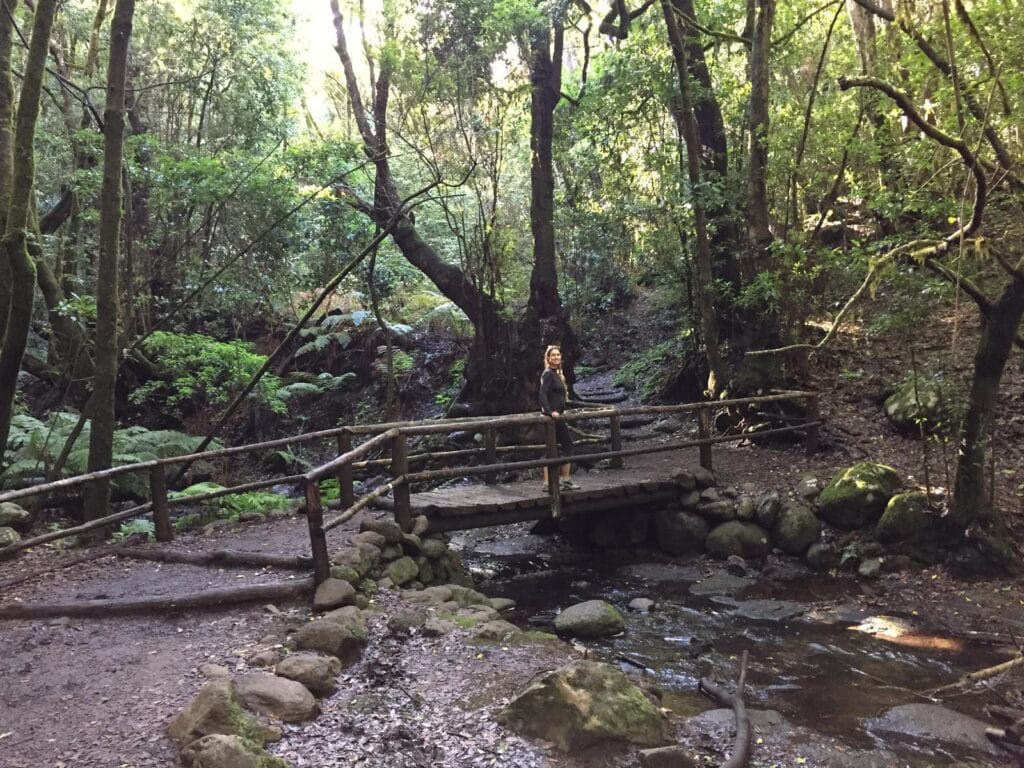
Alto de Garajonay - El Cedro
Description of the route and difficulty
This 16 km route is one of the most emblematic and presents a high difficulty. The route ascends to the Alto de Garajonay, reaching the highest peak of La Gomera. The trail includes stretches where the vegetation is dense and may require navigation skills at some points. Estimated hiking time is about six hours.
Panoramic views and highlights
Along the way, hikers will enjoy spectacular views. From the Alto de Garajonay, one can contemplate a breathtaking panorama that encompasses the ocean, the furrows of ravines and the surrounding mountains. Highlights such as Los Roques and the Caldera de Benchijigua are not to be missed.
Flora and fauna specific to the route
On this route, it is possible to observe endemic species such as the Canary Island cedar and the blue tajinaste, which blooms in spring. The biological diversity on this route is remarkable, providing a lesson on the unique ecosystems of La Gomera. Those interested in biodiversity will enjoy the sighting of birds and other native animals.
5. Itineraries highlighted for their natural and cultural values.
La Gomera is home to routes that allow you to appreciate not only its landscapes, but also its rich cultural heritage. These itineraries combine nature and culture, offering a unique journey through the history and traditions of the island.
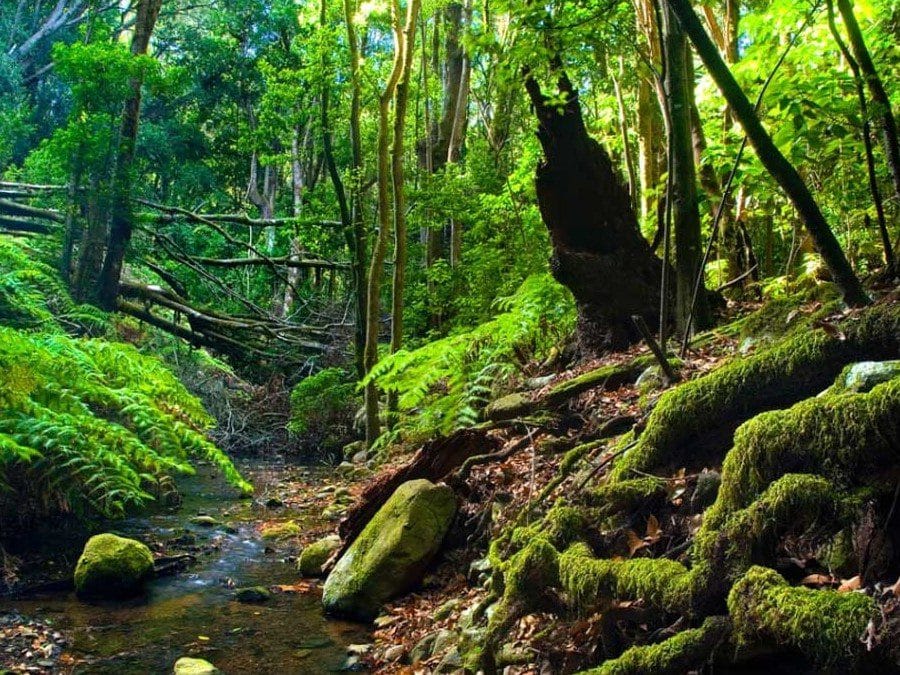
Hermigua plateau and Hermigua valley
This area stands out for its vast landscapes and vegetation. The circular route that runs along the plateau offers breathtaking views and connects with several adjoining trails that invite further exploration.
Circular route and annexed trails
The route allows you to enjoy the diversity of the natural environment. As you go along, you will encounter different ecosystems and observe native species. The possibility of combining trails provides flexibility and opportunities to discover the local fauna and flora in detail.
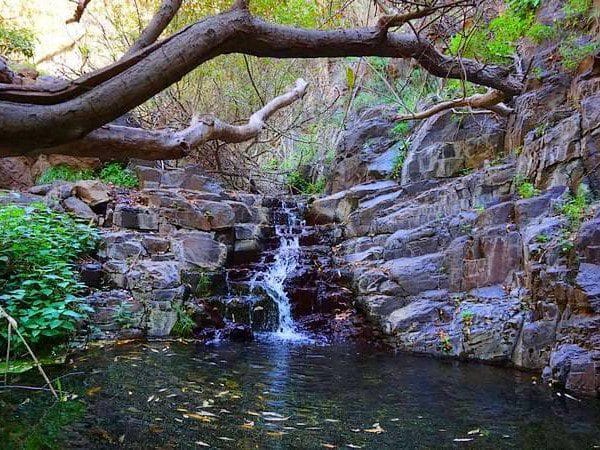
Arure Ravine and its trails
This ravine is known for its scenic beauty and biodiversity. The paths that run through it are a cultural legacy of the ancient routes used by the inhabitants of the island.
History and cultural heritage
The Arure Ravine has been an important crossing point for local communities over the centuries. Traces of its history are visible in the remains of ancient crops and in the traditional architecture of the houses that dot the area. This tour not only enriches the natural experience, but also provides a living history lesson.
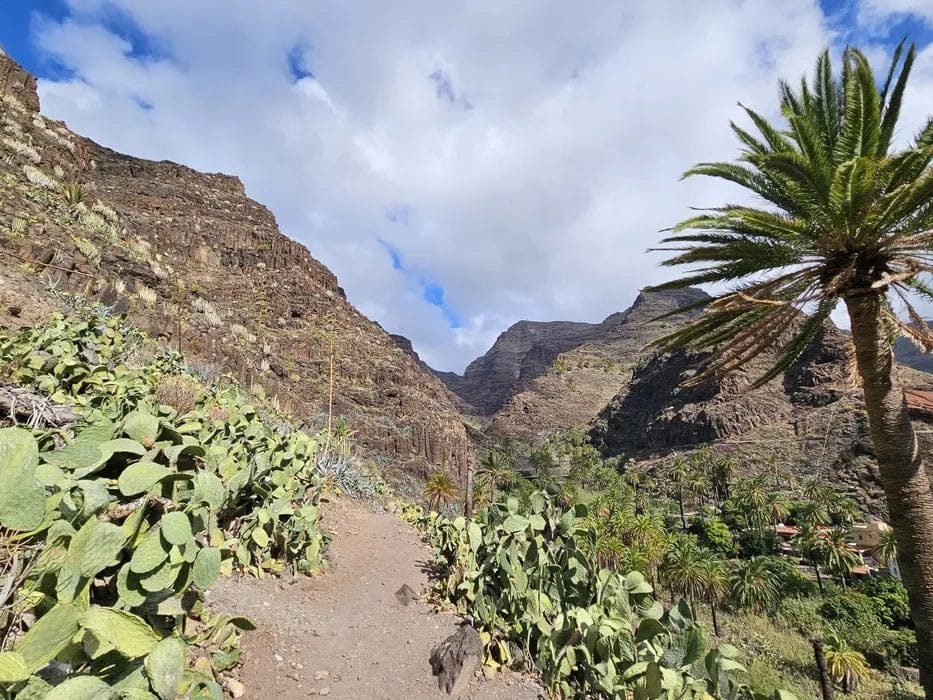
Valle Gran Rey and the nature trail
Valle Gran Rey stands out for its impressive landscapes characterized by cliffs and beaches. The routes in this valley are ideal for hikers looking to combine sport and nature with a cultural touch.
Routes to Playa Santiago and San Sebastian
The trails that lead to Playa Santiago and San Sebastián offer spectacular panoramic views of the ocean. Along the way, you can find vestiges of the Gomeran culture, along with the natural wealth of the coast.
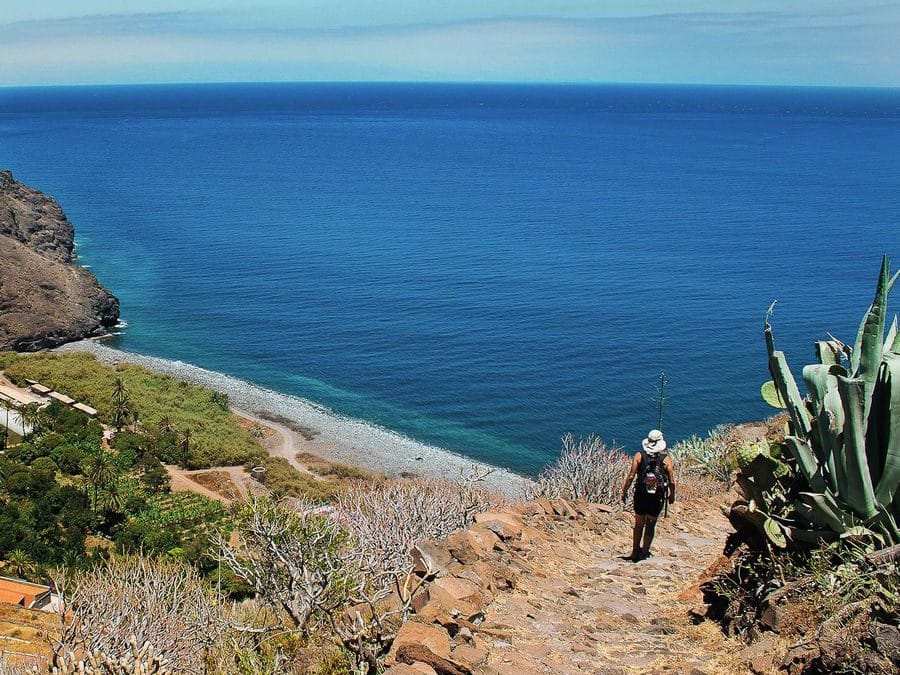
Coastal nature trails
Coastal trails allow you to experience the Atlantic Ocean in all its splendor. These hikes are perfect for those looking to enjoy the sea breeze and the sounds of the waves.
Coastal trails and natural landscape
The coastal trails are surrounded by lush vegetation that contrasts with the blue sea. They offer a unique sensory experience, where each step reveals new views of cliffs, beaches and marine life. These types of routes are a delight for both hiking enthusiasts and those who appreciate the tranquility of nature.