
Gastronomy in Tenerife: Flavors and Traditions of the Island
Gastronomy in Tenerife is an expression of its culture and tradition. Emblematic dishes such as papas arrugadas and gofio reflect the richness of local ingredients and the character of the island. The influence of the climate and volcanic soil allows the cultivation of a variety of fresh produce. Tenerife's cuisine, rich in flavors and traditions, is fundamental to understanding the island's identity.
Tenerife’s gastronomy is a living expression of its identity, where tradition, territory and culinary creativity merge in each dish. The island offers a cuisine marked by its Guanche roots, Hispanic-American influences and the use of local products such as gofio, cheese, mojo or bananas. Traditional markets,
guachinches and signature restaurants coexist to create a diverse and authentic gastronomic experience. From recipes inherited for generations to innovative proposals that reinterpret the island’s flavors, Tenerife has positioned itself as a culinary destination of reference. Tasting its cuisine is getting to know the island through its ingredients, its customs and its passion for good food.
1. Influence of Geography and Climate
Tenerife's gastronomy is deeply impacted by its unique geography and climate. These factors determine the availability of fresh products and the way they are cooked, creating a culinary tradition characterized by intense flavors and unique diversity.

Volcanic Soil and Agriculture
The volcanic soil of Tenerife is one of the main responsible for the quality of crops on the island. This type of soil is rich in minerals, which favors the growth of a wide variety of fruits and vegetables. Foods such as tomatoes, sweet potatoes and peppers obtain their characteristic flavor thanks to the characteristics of the soil.
Agriculture on the island has been able to adapt to this environment. Traditional farming techniques, combined with modern innovations, allow for the cultivation of fresh, high quality produce. Farmers strive to maintain sustainable practices, thus promoting the local economy and biodiversity. Among the most prominent crops are:
- Tomatoes
- Bananas
- Melons
- Green leafy vegetables

Mild Temperatures and Cultivation
Tenerife enjoys a mild climate all year round, with temperate temperatures that facilitate cultivation at different times of the year. This mild climate allows produce to grow uniformly and meets the needs of many species. The subtropical climate not only benefits vegetables, but also the tropical fruits that are typical of the island.
Agricultural production takes place at various altitudes, which creates a variety of ideal microclimates. This means that Tenerife can grow everything from tropical fruit trees to grapes that produce renowned wines. The combination of mild temperatures and fertile soils allows agricultural diversity to be a fundamental pillar of the island’s gastronomy.

Impact of Ocean Currents
The ocean currents that surround Tenerife play a crucial role in the fishing activity and, therefore, in the island’s gastronomy. The Atlantic Ocean offers a rich diversity of marine species, which are not only fresh, but also form an integral part of Tenerife’s traditional dishes.
These currents favor the presence of fresh fish and seafood, which contributes to the creation of emblematic recipes that reflect the richness of the marine environment. Among the most appreciated species are:
- Cherne
- Corvina
- The old
- Assorted seafood
Access to these fresh products allows local chefs to produce dishes that highlight the freshness and quality of the ingredients, thus representing a vital aspect of Tenerife’s gastronomic culture.
2. Emblematic Dishes of Tenerife
Tenerife's gastronomy is characterized by a variety of traditional dishes that reflect the island's cultural identity. These emblematic dishes, made with fresh, local ingredients, encapsulate the essence of Tenerife and its culinary history.

Papas Arrugadas with Mojo Picón (Potatoes with Mojo Picón)
Papas arrugadas are one of the most representative dishes of Tenerife. This simple and tasty dish is a sample of the local cuisine that stands out for its authenticity and flavor.
Preparation of Papas Arrugadas
To prepare the wrinkled potatoes, small potatoes are selected, preferably of the black Canarian variety. They are cooked in water with a generous amount of salt, which causes the skin of the potatoes to wrinkle as it dehydrates during cooking. They are usually served in their own skin with a touch of mojo picón.
Mojo Picón and Mojo Verde Recipes
- Mojo Picón: Ingredients such as red bell pepper, garlic, cumin, olive oil and vinegar are mixed to create an intense and spicy sauce, ideal to accompany wrinkled potatoes.
- Mojo Verde: This mojo is made mainly with coriander, parsley, garlic, olive oil and vinegar. Its flavor is milder and fresher, making it a very appreciated alternative.

Puchero Tinerfeño
The puchero tinerfeño is a traditional stew that stands out for its richness and flavor. This dish is especially enjoyed at family gatherings and festivities.
Main ingredients
The ingredients of puchero are varied, but generally include beef, pork and chicken, along with a selection of vegetables such as carrots, zucchini, and chickpeas. A touch of herbs is also added to enrich the broth.
Reuse in Old Clothes
Puchero is not only delicious in its first preparation. The leftovers are used to make ropa vieja, a dish that transforms the meat from the stew into a tasty and flavorful sofrito.

Sancocho Canario
Sancocho is a fish stew that stands out in Tenerife’s cuisine. This dish has its origins in the maritime tradition of the island, being an example of the use of local sea products.
Types of Fish Used
The fish most commonly used in sancocho are wreckfish and corvina. Both are prepared salted, which gives a characteristic flavor to the stew, and are cooked with sweet potatoes and parsley.
Traditions in its Preparation
Sancocho is usually served during celebrations and festivities. It is a dish that evokes family togetherness and gatherings among friends, being typical to enjoy it in the guachinches, where you can taste local food.

Old Clothes
Ropa vieja is a dish born from the creativity of taking advantage of the leftovers from the stew. This dish is very popular throughout the Canary Islands and in Tenerife it is prepared with love and tradition.
Preparation and Sofrito
To make ropa vieja, the leftover meat from the stew is shredded and mixed with a sofrito of onion, bell pepper and tomato, enhanced with spices that add intensity to the dish.
Typical Accompaniments
This dish is usually served with french fries or a little gofio, allowing you to enjoy a combination of flavors and textures that makes it an irresistible option.

Scald
Escaldón is a dish that surprises with its strong flavor. It consists of a broth enriched with gofio that results in a unique texture and an unexpected flavor profile.
Broth and Gofio
A fish or meat broth is used as a base, to which spicy red mojo and gofio are added. This combination creates a nutritious and hearty dish, perfect for lovers of intense flavors.
Spicy Red Mojo
The spicy red mojo is essential in the preparation of escaldón, providing that characteristic touch that defines this dish, and is recommended for those seeking a more daring and traditional experience.
1. Festivals and Gastronomic Traditions
Tenerife's gastronomic festivals and traditions are a vibrant manifestation of the local culture. These celebrations not only highlight the island's rich cuisine, but also encourage conviviality and enjoyment among locals and visitors.

Gastronomic Festivals
Gastronomic festivals in Tenerife are an excellent opportunity to celebrate the culinary diversity of the island. During these events, locals and tourists alike can sample a wide range of traditional dishes and local products.
- Tenerife Wine Fair: Held annually to pay tribute to the wine history of the island. Attendees can enjoy wine tastings and tapas, accompanied by live music.
- Gofio Festival: Celebrated in various parts of the island, this festival is dedicated to gofio, a traditional Canarian food. Visitors can participate in cooking workshops and tastings of different gofio-based dishes.

Popular Festivals
The popular festivals in Tenerife are events that mix music, dance and gastronomy, creating a festive atmosphere that reflects the Canarian identity. These celebrations are ideal to enjoy the local culture in a framework of joy and conviviality.
Santa Cruz Carnival
The Carnival of Santa Cruz de Tenerife is one of the most famous in the world and attracts thousands of visitors every year. During this festivity, gastronomy plays a fundamental role. Attendees can enjoy typical Canarian dishes, such as papas arrugadas, almogrote and gofio, while participating in parades and concerts.
It is common to find food stalls and guachinches offering local delicacies. The atmosphere is festive and colorful, reflecting the joyful spirit of the island.
Festivities of San Andres
The Fiestas de San Andrés mark the beginning of the wine harvest season in Tenerife. During this celebration, the local gastronomy takes center stage, highlighting the consumption of “ropa vieja” and other dishes made with the products of the harvest.
The most emblematic tradition of these festivities is the famous “Bajada de la Hacha” in several northern towns. Attendees also enjoy a festive atmosphere with music, typical dances and wine tastings, creating an experience that celebrates both the culture and cuisine of the island.
1. Impact of Gastronomy on Tourism
Gastronomy plays a fundamental role in Tenerife's tourism, being a key attraction for visitors seeking to explore the local culture through food. The island's unique flavors, along with its varied culinary offerings, enrich the experience of those who visit.
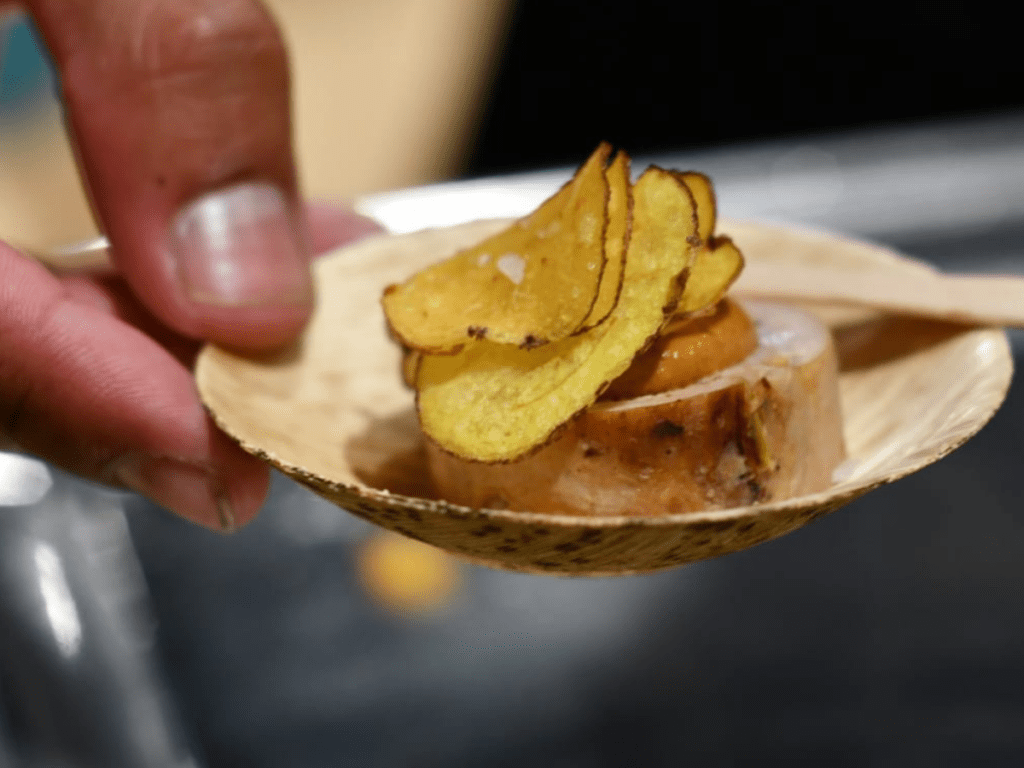
Culinary Attractions
The distinctive character of Tenerife’s cuisine becomes one of the main reasons why tourists from all over the world visit the island. The attention to the quality of local ingredients and the cultural heritage in each dish create an unparalleled appeal. Tourists not only come to enjoy the scenery, but also seek to participate in the rich gastronomic tradition, allowing them to connect more deeply with the place.
- Guachinches are small restaurants that offer traditional dishes at affordable prices, providing an authentic experience.
- The gastronomic fairs held at different times of the year allow visitors to enjoy the variety of Tenerife’s flavors and promote tourist interest.
- Festivals celebrating local products, such as wine or gofio, attract both locals and outsiders, enriching the island’s tourist offer and culture.
- Gastronomic tours offer visitors the opportunity to explore local markets and learn about the preparation of typical dishes.

Gastronomic Experiences
Gastronomic tourism has evolved in Tenerife, where visitors can enjoy personalized experiences that go beyond simply tasting a dish. There are activities that allow you to get directly involved in the culinary process, turning a meal into a memorable event.
- Cooking workshops: Tourists have the opportunity to participate in workshops where they learn to prepare typical dishes under the guidance of local chefs, allowing them to take a piece of Tenerife back with them in their culinary knowledge.
- Wine tours: The island has wineries that offer tastings of their characteristic wines, where visitors can learn about the winemaking process and the history of each variety.
- Tastings of local products: Experiences that allow you to taste cheeses, oils and gofio in a context that celebrates the quality and uniqueness of the island’s products.