
Diving in Gran Canaria: Discover an Underwater Paradise
Gran Canaria is an exceptional destination for diving enthusiasts. Its crystal clear waters and rich marine biodiversity attract both beginners and experienced divers. The island offers multiple dive sites, each with unique characteristics and varied fauna. In addition, there are dive centers that facilitate access to this exciting activity.
Diving in Gran Canaria is a unique experience thanks to its crystal clear waters and rich marine biodiversity. The island offers a wide variety of dive sites for all levels, from volcanic reefs to spectacular wrecks. In addition, there are diving centers, courses
certification and guided excursions that allow you to discover the impressive underwater life of the Atlantic. Whether you are a beginner or an experienced diver, Gran Canaria is the ideal destination to explore a true underwater paradise.
- 1. The Best Places to Dive in Gran Canaria
- 2. Marine Fauna and Biodiversity in Gran Canaria
- 3. Recommended Diving Centers in Gran Canaria
- 4. Diving baptism in Gran Canaria
- 5. Diving courses in Gran Canaria
- 6. Tips for Diving in Gran Canaria
- 7. Best Time to Dive in Gran Canaria
- 8. Scuba Diving in Las Palmas de Gran Canaria
- 9. Diving Routes and Excursions in Gran Canaria
1. The Best Dive Sites in Gran Canaria
Almud Reef
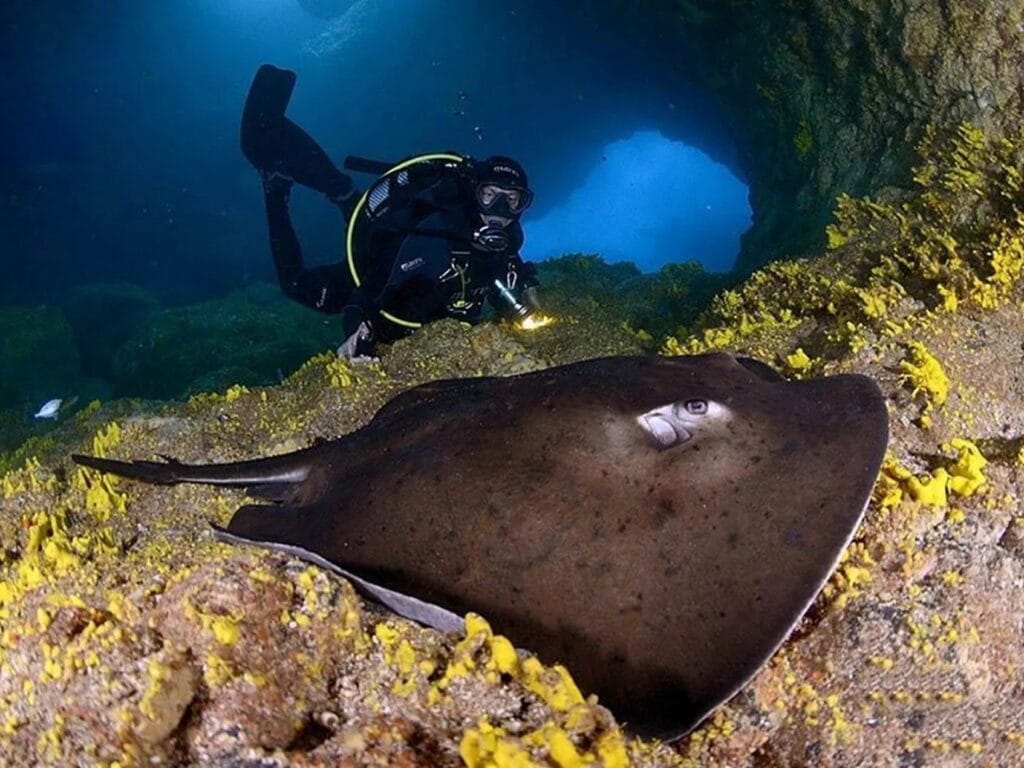
A great dive that has it all. Large patches of sand where you can observe rays and angel sharks, a volcanic rock platform that is about 1.5 meters in the sand with a ledge that protects many animals, such as moray eels, canary parrotfish, etc.. This platform provides shelter to a multitude of small marine species.
Meteor II
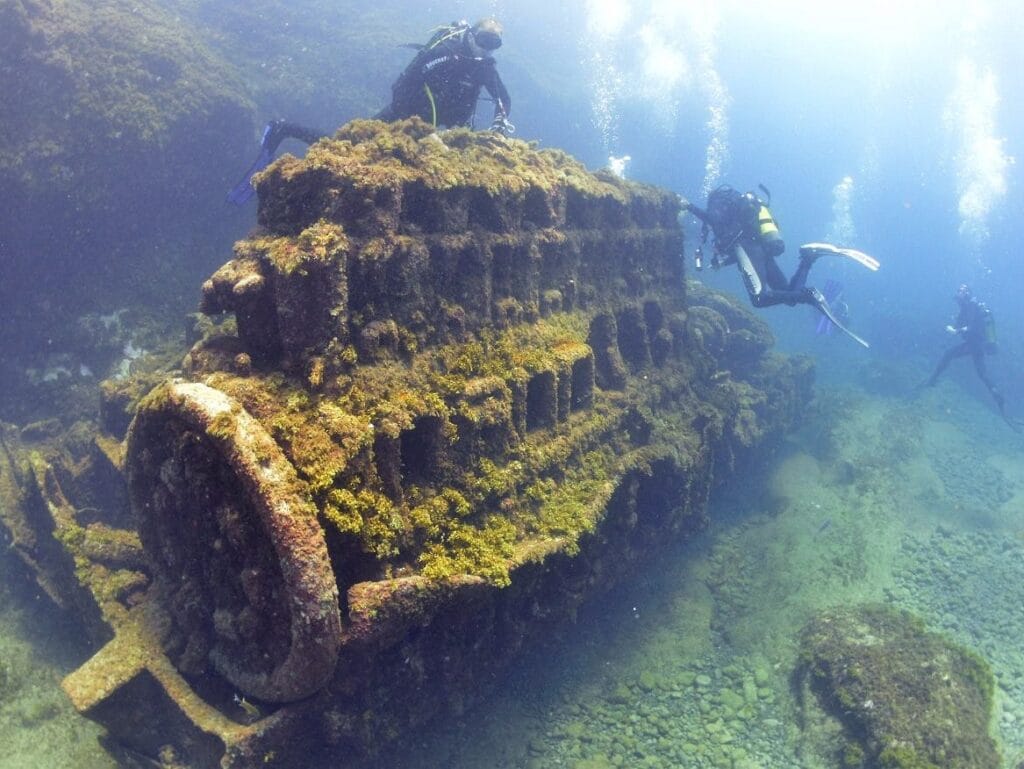
Meteor II is the wreck created by a Russian ferry that sank in 2003. It is about 30 meters long and 9 meters wide. That ship sank in a clean way on a sandy bottom at about 17 meters deep, but a subsequent storm almost completely destroyed it. You can still see the passenger seats and even try them out for some fun pictures.
2. Marine Fauna and Biodiversity in Gran Canaria
Gran Canaria is a privileged destination that is home to a remarkable diversity of marine life. Its geographical location and the variety of ecosystems present in its waters make the biodiversity particularly rich and fascinating.
Snorers and Angelots
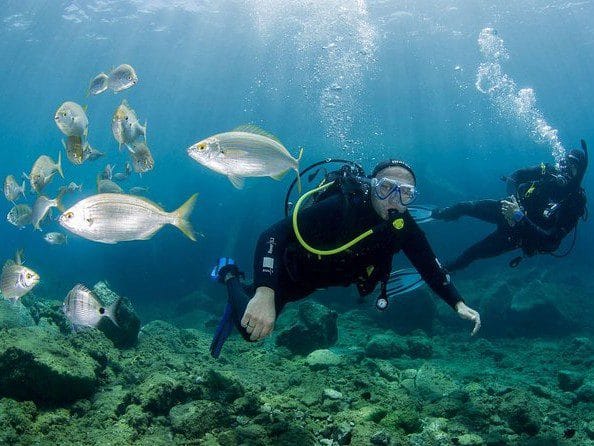
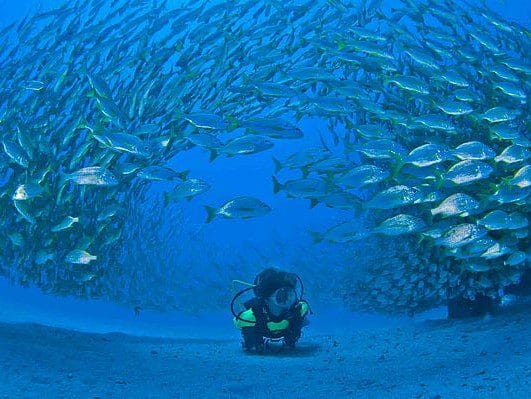
The grunts are one of the most emblematic fish that inhabit the waters of Gran Canaria. These fish form large schools, creating an impressive visual spectacle for those who venture to explore beneath the surface.
- The grunt is characterized by its silvery color and its social behavior, traveling in groups where dozens, even hundreds of them can be observed.
- They are particularly abundant in the El Cabrón Marine Reserve, where water quality and environmental protection allow them to thrive.
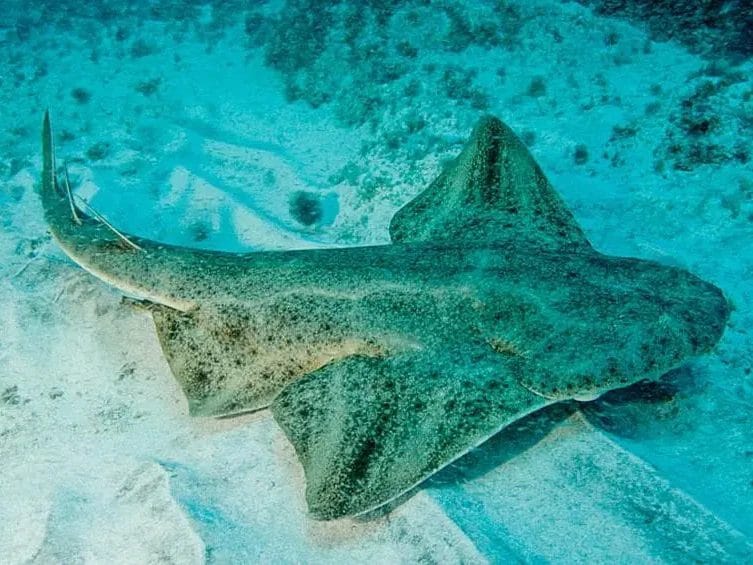
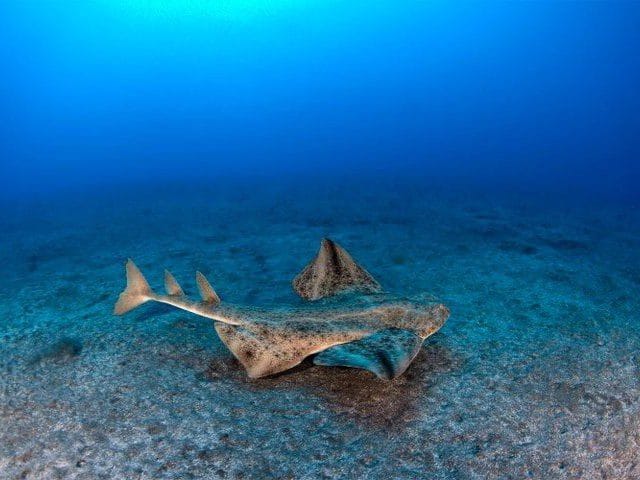
Angelsharks, on the other hand, are small sharks that are usually found in deeper waters, especially during the winter months. Their calm behavior and natural camouflage make them difficult to spot, but experienced divers may be lucky enough to come across them.
Stripes and Barracudas Blankets
Manta rays are one of the most fascinating species that can be observed in Gran Canaria, especially in the area of Agaete. These ocean majesties can be seen during certain seasons of the year and are known for their incredible wingspan and graceful movements.
- Manta rays usually feed on plankton, and their presence is an indication of the health of the marine ecosystem in the region.
- Sighting a manta ray in its natural habitat is an unforgettable experience for any diving enthusiast.
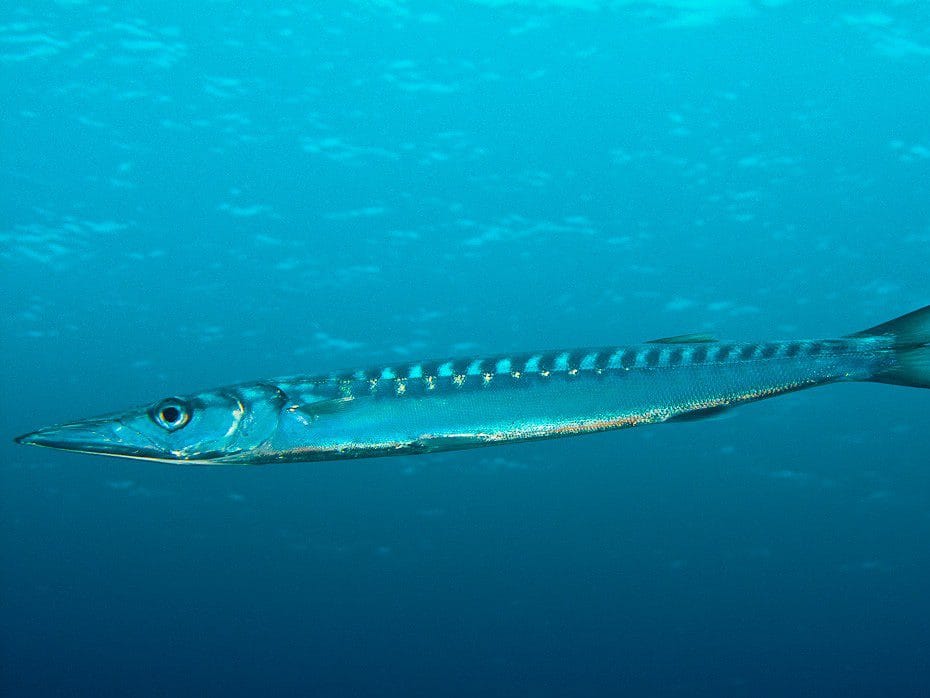
Barracudas, on the other hand, are predators that are also commonly found in the waters of Gran Canaria. Recognizable by their elongated shape and sharp teeth, these fish form groups in reef areas where they can be sighted together with other schools of fish.
3. Recommended Diving Centers in Gran Canaria
Gran Canaria has a variety of dive centers offering high quality services and a wide range of options for divers of all levels.
Certifications and Reviews
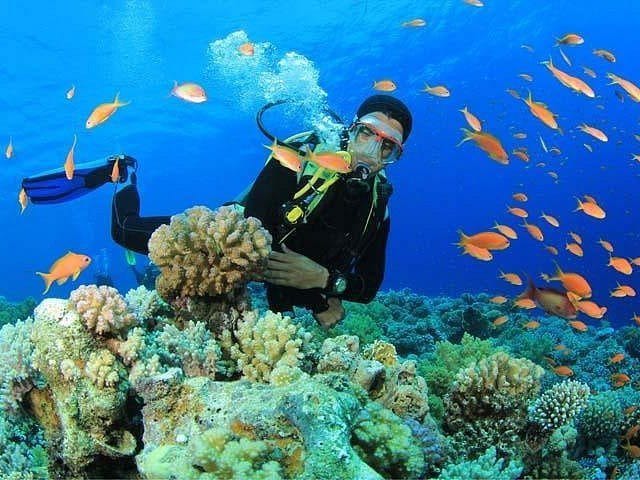
Dive centers in Gran Canaria are usually certified by recognized organizations, such as PADI and SSI, which ensures that they meet high standards of training and safety. User reviews are a valuable tool when selecting a center. Many divers highlight the professionalism and experience of the staff, as well as the quality of the dives and customer service.
- The centers with the best reviews tend to offer a welcoming atmosphere and personalized attention.
- Testimonials can be found highlighting the safety and good condition of the equipment used.
- Certifications are an indicator of the training and experience of personnel, as well as the safety practices implemented.
Services Offered and Location
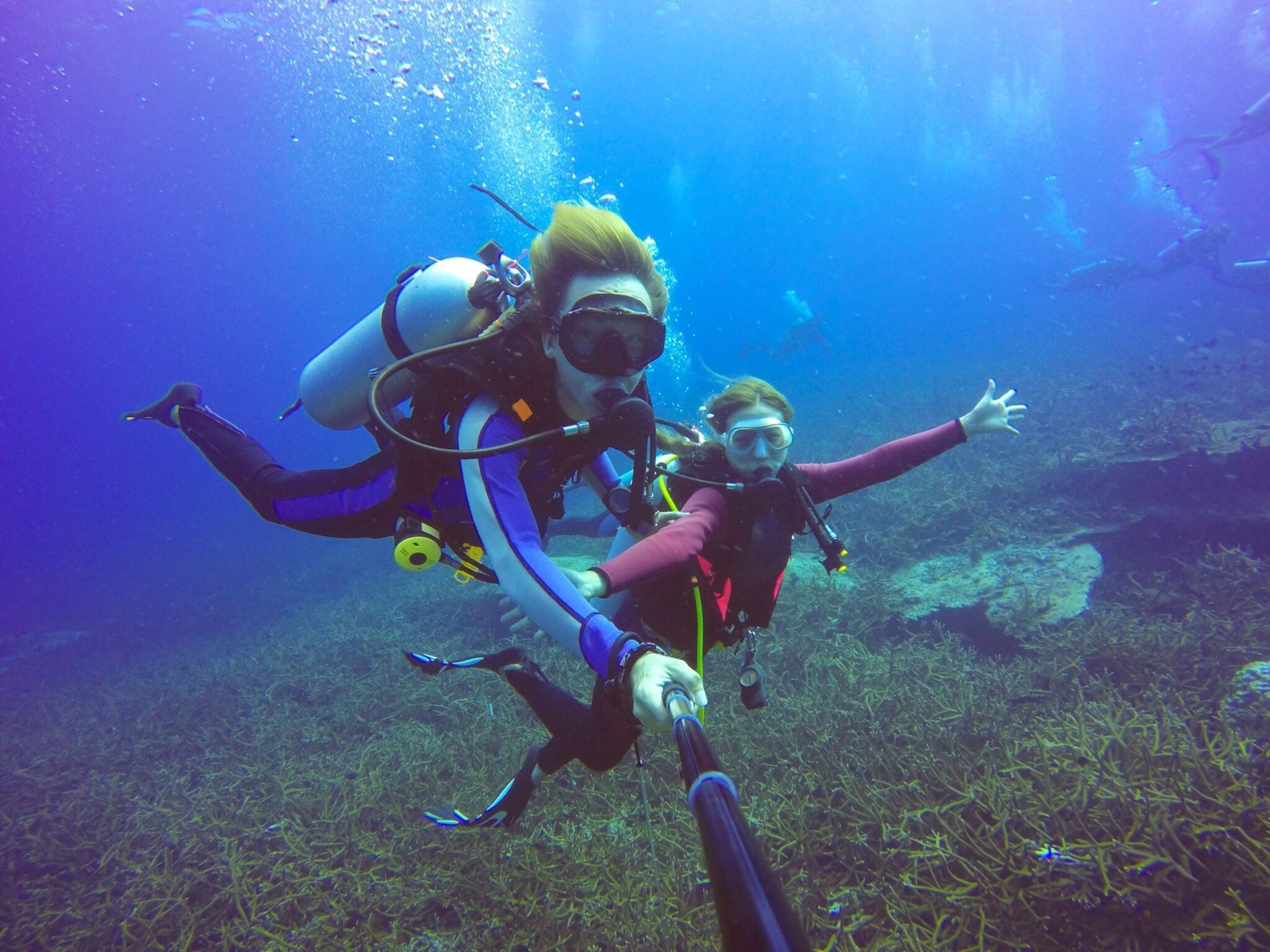
Many centers offer training programs from beginner to advanced levels.
- Diving baptism: Ideal for those who want to try this activity for the first time. It includes a theoretical introduction and a guided dive.
- Certification courses: From PADI Open Water Diver to advanced programs, they cover the necessary training to dive independently.
- Guided dives: The centers organize excursions to the best dive sites on the island, ensuring the supervision of experienced guides.
- Equipment rental: Many offer rental of all necessary equipment, which is usually in excellent condition.
In terms of location, the centers are distributed throughout the island, with Las Palmas, Mogán and Playa del Inglés being some of the points with the highest concentration. The proximity to the main dive sites guarantees quick access to the dives, facilitating the divers’ experience.
4. Diving baptism in Gran Canaria
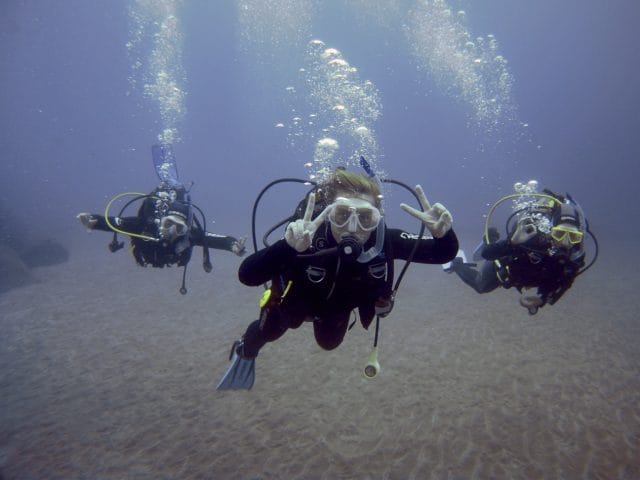
The diving baptism is the perfect opportunity for those who wish to get to know the fascinating underwater world without previous experience. This activity will allow you to explore the wonders of the seabed accompanied by professionals.
What it is and How it is Performed
The first dive is an introductory experience designed for people who want to experience scuba diving for the first time. It generally takes place in a controlled and safe environment, providing a guided dive by a certified instructor. During this process, the basics of scuba diving are taught, as well as the safety rules to be followed underwater.
The usual procedure of a diving baptism includes:
- Briefing: A short theory session is offered covering diving equipment, breathing techniques, and how to communicate underwater.
- Equipment: Participants receive the necessary equipment, such as wetsuit, regulator, compensator vest and fins. Instructors help adjust the equipment to ensure comfort and safety.
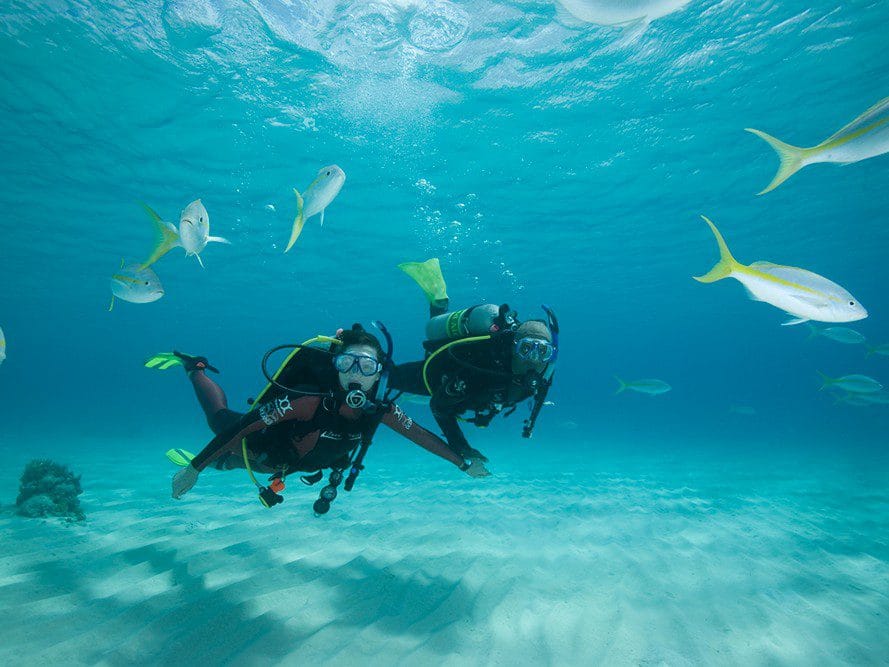
- Dive: Divers dive in shallow water, usually between 5 and 12 meters, where they can familiarize themselves with buoyancy and perform basic exercises supervised by the instructor.
Recommendations for First Timers
Participating in a diving baptism can be exciting, but it is essential to take into account some recommendations to ensure a safe and enjoyable experience:
- Health status: A medical check-up is recommended if you have not dived in a while or if you have pre-existing health conditions.
- Hydration: Staying well hydrated before the dive helps prevent decompression problems and improves overall well-being.
- Respect for nature: It is important to take care of the marine environment, avoiding touching the underwater fauna and flora so as not to alter the ecosystems.
- Communication: Familiarize yourself with the hand signals used by divers underwater to facilitate communication during the dive.
- Enjoy the moment: Keep a relaxed attitude and enjoy the experience, observing the wonders of the underwater world.
5. Diving courses in Gran Canaria
Gran Canaria is an ideal place for diving courses, offering a variety of options to suit different levels of experience. From basic courses for beginners to advanced training, the island's dive centers present an excellent opportunity for those wishing to explore the fascinating underwater world.
PADI Open Water and Advanced Open Water
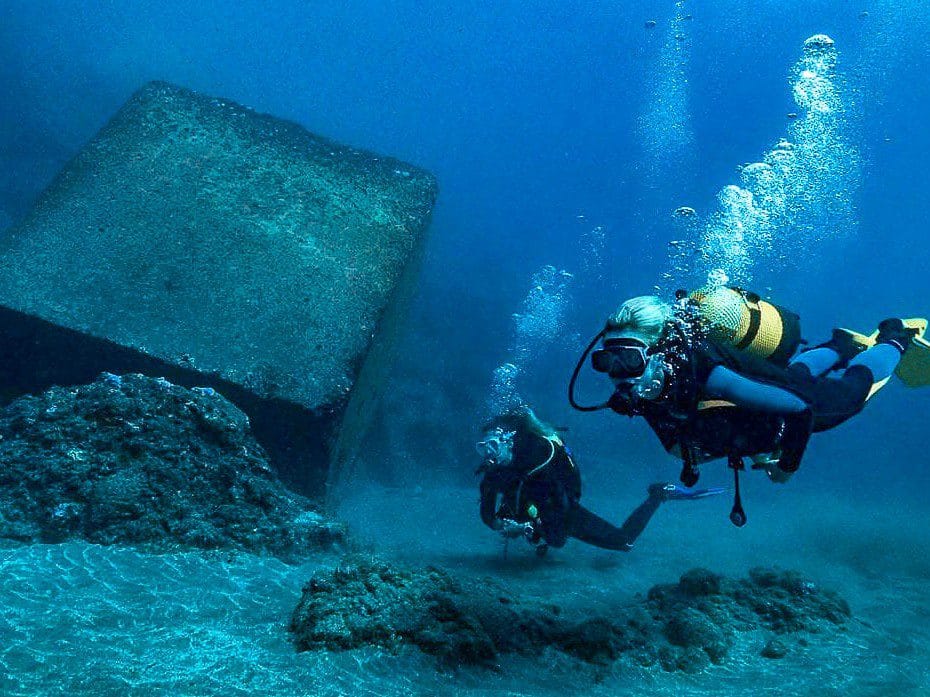
The most recognized and sought after courses are PADI courses. These programs are designed to train divers in essential techniques and safety concepts. The PADI Open Water course is aimed at those who are new to scuba diving. It provides the necessary training to safely dive to a depth of 18 meters.
The course includes:
- Theory on the physics and physiology of diving.
- Pool practice to become familiar with the equipment.
- Open water dives to apply what has been learned.
On the other hand, the Advanced Open Water allows certified divers to deepen their skills. This course emphasizes the practice and discovery of new diving techniques.
The course includes:
- Navigation dives to improve underwater orientation.
- Deep dives up to 30 meters.
- Selection of specialties such as night diving or wreck diving.
Other Courses Available
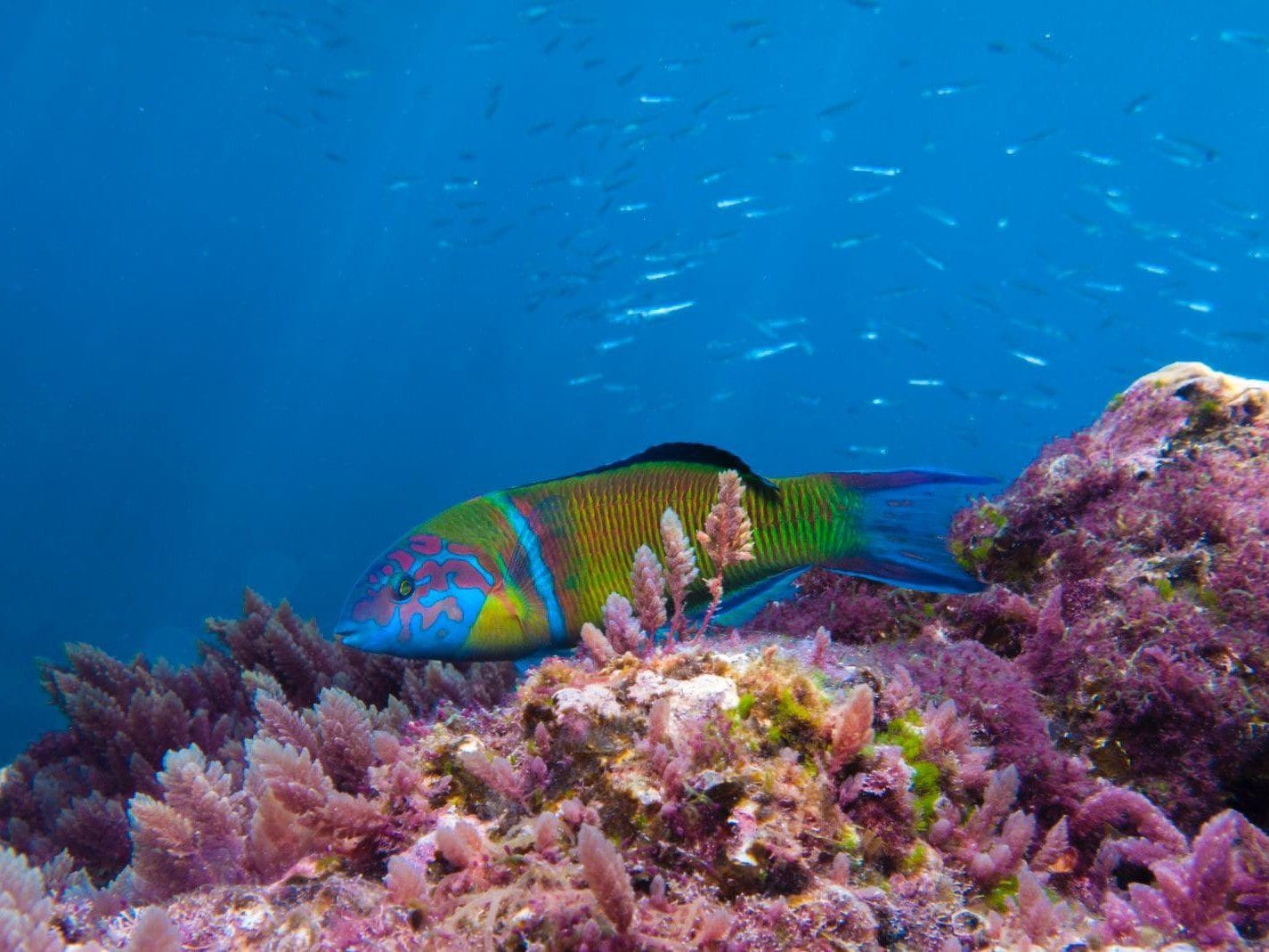
In addition to PADI courses, Gran Canaria offers a variety of other certification programs, adapting to diverse needs and interests. Among them are:
- SSI Open Water Diver Course: Similar to the PADI program, but with a different approach to teaching and learning.
- Rescue Diver Course: This course is designed for divers who are looking to learn about emergency situation management and rescue of divers in trouble.
- Ecological diving course: Offers knowledge about marine conservation and sustainability, promoting responsible practices during dives.
- Dives adapted according to needs, ideal for people with disabilities or specific conditions.
6. Tips for Diving in Gran Canaria
Diving in Gran Canaria is an exciting adventure that requires some prior preparation and responsible practices. The following are practical recommendations to maximize the diving experience and ensure safety, both personal and of the marine environment.
Physical Preparation and Equipment
Before diving, it is vital to be in good physical shape. The following is also recommended:
- Perform stretching exercises to maintain flexibility.
- Make sure you are well hydrated, as dehydration can be detrimental during the dive.
- Consult a physician in case of pre-existing health conditions that may affect diving activity.
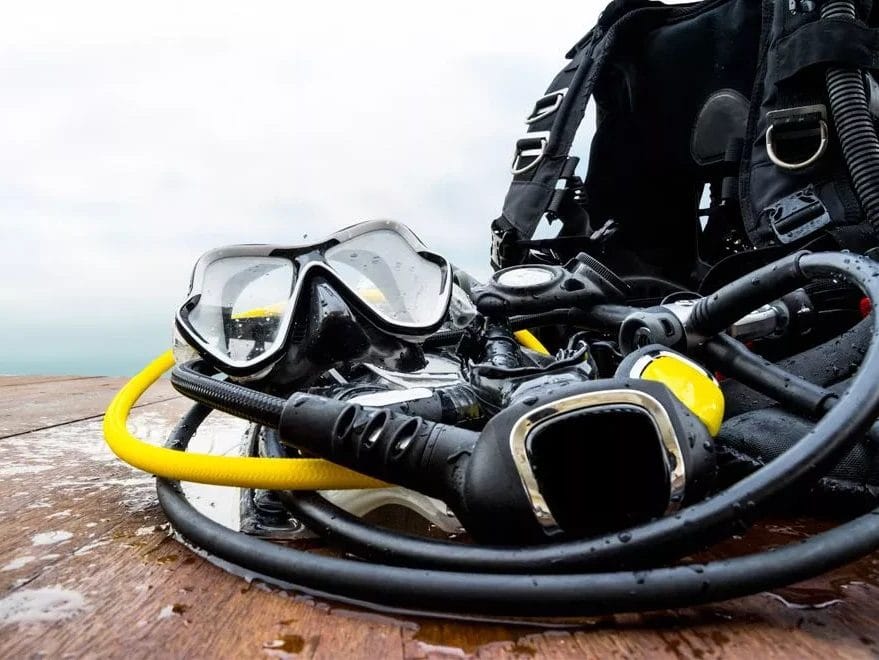
Proper equipment is essential. The following equipment is recommended:
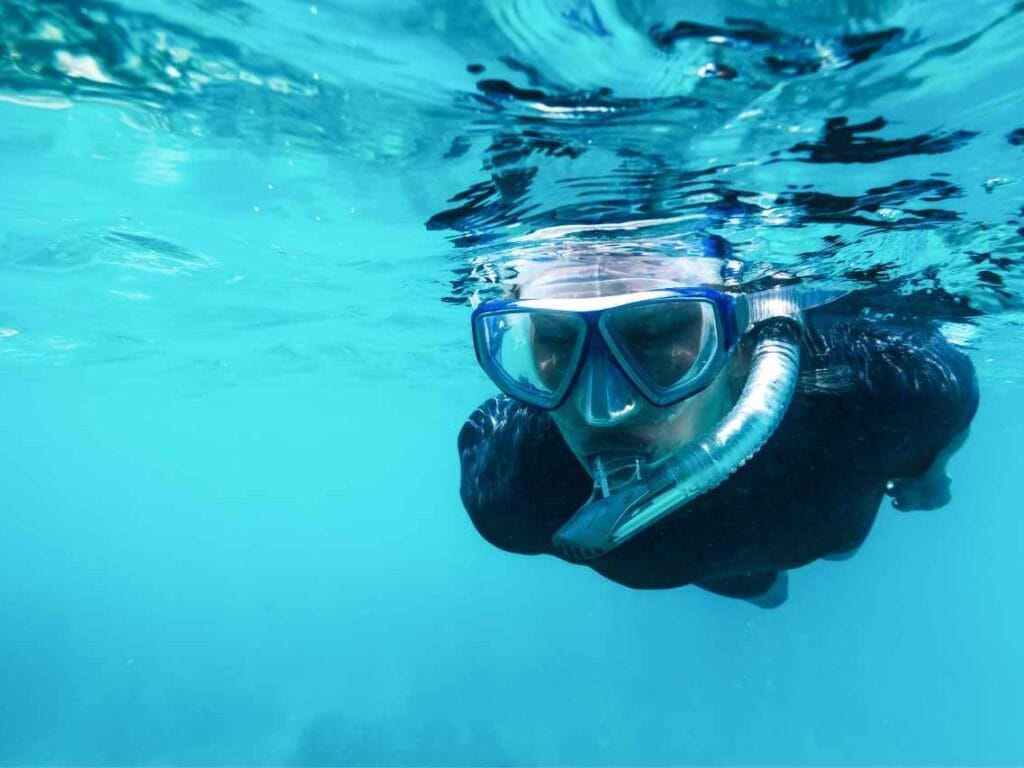
- Mask and snorkel: They must fit snugly to avoid leaks.
- Neoprene wetsuit: Insulates from the cold and protects from possible chafing.
- Air cylinder: Check its condition and pressure before each dive.
- Ballast: Ensure adequate weight to control buoyancy.
Safety during dives
Safety is paramount during any diving activity. There are practices that must be followed to ensure a safe dive:
- Always dive with a buddy. Communication and support are essential.
- Listen to the instructors’ indications and follow the established guidelines.
- Use a signaling device, such as a whistle or buoy, to facilitate communication in case of emergency.
Additionally, it is important to observe the recommended depth and time limits. This helps to avoid decompression problems and ensures that the experience can be enjoyed without setbacks.
Responsible Diving Practices
Conservation of the marine environment is crucial when scuba diving. Adopting responsible practices helps to preserve the natural beauty of Gran Canaria’s ecosystems:
- Do not touch or collect marine life. Many species are delicate and may be affected by human contact.
- Avoid collecting objects from the seabed. These are part of the habitat and their collection can cause ecological imbalances.
- Reduce the use of sunscreens that contain chemicals harmful to corals and other marine life.
- Pick up any trash found during the dive, thus contributing to the cleanliness of the ocean.
7. Best Time to Dive in Gran Canaria
Gran Canaria is presented as an optimal destination to dive in its waters throughout the year. However, there are certain periods that stand out for offering exceptional conditions for diving.
Climatic Conditions
- Spring (March to May): During these months, temperatures begin to rise and the water still retains the warmth of winter. It is an ideal time for those seeking tranquility, since the influx of tourists is usually lower.
- Summer (June to August): This is the most popular season for diving. Temperatures are at their highest, ensuring a warm environment both at the surface and underwater. The waters are calmer and visibility is generally excellent.
- Autumn (September to November): With the temperatures still warm and the decrease of tourists, autumn becomes a very attractive period for diving. Visibility is still high, and it is possible to observe a great variety of marine fauna.
- Winter (December to February): Although it is the least crowded season, winter is still viable for divers. Temperatures are cooler, but conditions are usually stable and visibility adequate.
Water Temperature
- Spring: Water temperatures range from 19 to 21 degrees Celsius, making it pleasant for most divers.
- Summer: Temperatures range from 22 to 25 degrees Celsius, ideal for long dives without discomfort.
- Fall: Similar to summer, the waters remain in a range of 21 to 24 degrees Celsius, providing excellent conditions for diving.
- Winter: During this season, water temperatures can drop to 18 or 19 degrees Celsius, so it is advisable to wear appropriate wetsuits to maintain comfort.
8. Diving in Las Palmas de Gran Canaria
Las Palmas de Gran Canaria is a vibrant place that not only stands out for its culture and atmosphere, but also for being an ideal spot for diving enthusiasts. Its warm and crystal clear waters, along with a rich marine life, make the city an attractive destination for divers of all levels.
Dive Sites in the City
The capital of Gran Canaria offers several dive sites that allow you to explore fascinating marine ecosystems. Divers can enjoy a variety of options, from shallow water dives to more complete dives in deeper areas.
Las Canteras Beach
This famous beach is known for its calm waters and rich underwater fauna. It is ideal for recreational diving, where you can observe colorful fish and small rock formations. It is also accessible and easy to reach, making it a popular choice.
The Cathedral
Located near Las Canteras Beach, La Catedral is famous for its impressive volcanic rock formations that create small tunnels and caves. This site allows divers to explore a fascinating environment teeming with marine life such as octopus and moray eels.
Las Palmas Pier
The pier offers the opportunity to dive in an urban environment. Although the water here may be more turbid, it is possible to find a variety of species, including some less common ones. Its proximity to the city makes it especially convenient for those looking for a quick dive.
Services Available for Divers
Las Palmas de Gran Canaria has a robust diving infrastructure that offers a variety of services to facilitate the diving experience. Many dive centers operate in the area, providing everything you need to enjoy the activity in a safe and pleasant way.
Equipment Rental
Divers can rent high quality equipment at various centers. These establishments offer wetsuits, regulators, fins and other accessories, ensuring that every diver has access to the equipment necessary for a safe dive.
Guided Dives
The dive centers in Las Palmas offer guided dives by experienced instructors who know the area well. These dives are ideal for beginners, as they allow them to become familiar with the equipment and the conditions of the environment under the supervision of professionals.
Training and Certification
For those who wish to go deeper into diving, there are different certification courses available. Many centers are affiliated with recognized organizations such as PADI and SSI, allowing them to offer training from basic to advanced levels, providing divers with the skills necessary to explore further.
9. Diving Routes and Excursions in Gran Canaria
Gran Canaria offers a variety of diving routes and excursions that allow enthusiasts to explore its amazing seabed and enjoy the richness of its biodiversity. These experiences can be done by boat or through guided routes along the island, adapting to different levels of ability and preferences.
Boat Excursions
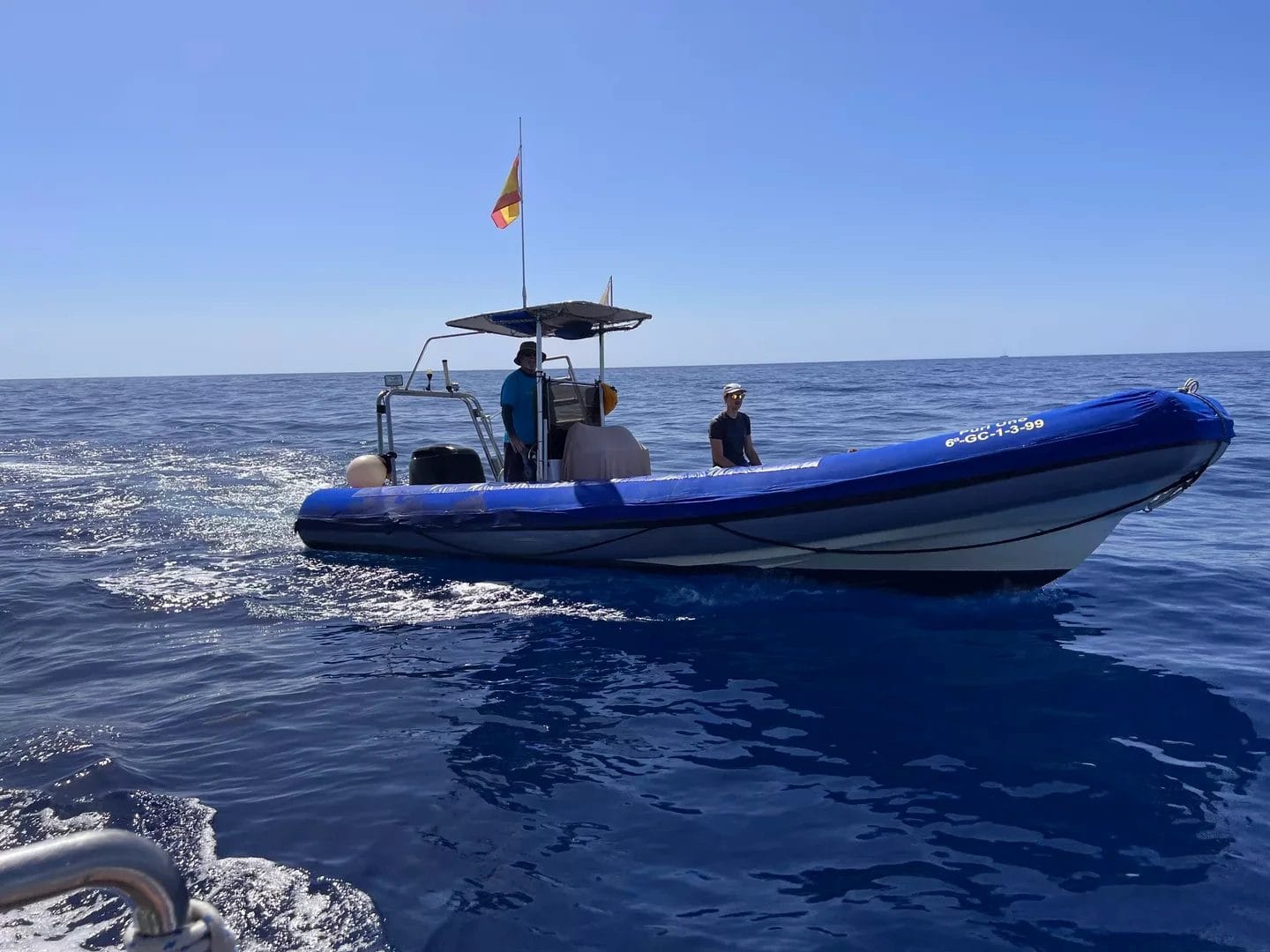
Boat trips are one of the best ways to discover the most hidden and spectacular diving spots in Gran Canaria. These trips, organized by dive centers, usually include:
- Transportation to Dive Sites: The boats take divers to various locations, often away from the most crowded areas. This facilitates a quieter and more enriching dive experience.
- Professional Guide: An expert instructor accompanies the divers during the activity, providing information about the species that can be sighted and the underwater formations.
- Complete equipment: Dive centers usually offer all the necessary equipment, guaranteeing that participants have the best material and in good condition.
- Possibility of Multiple Dives: Many excursions allow for more than one dive in a single day, providing the opportunity to explore different marine ecosystems.

Guided tours of the island
The guided tours around the island are perfect for those who want to learn more about the marine environment of Gran Canaria while diving. These routes include:
- Underwater Tours: These excursions are designed to showcase the charms of the seabed, allowing divers to enjoy an educational and recreational experience, with guides explaining the local fauna and flora.
- Wreck Exploration: Some routes focus on wreck exploration, where divers can get a close-up look at the marine history of the area and the life that has developed in these places.
- Marine Life Observation: The guides focus on taking groups to the best spots to observe species such as angel sharks, grunts or barracudas, making each dive unique.
- Connection with Nature: These routes not only focus on diving, but also offer a space to enjoy the marine landscape and learn about the conservation of ecosystems.