
Discover the Canary Islands
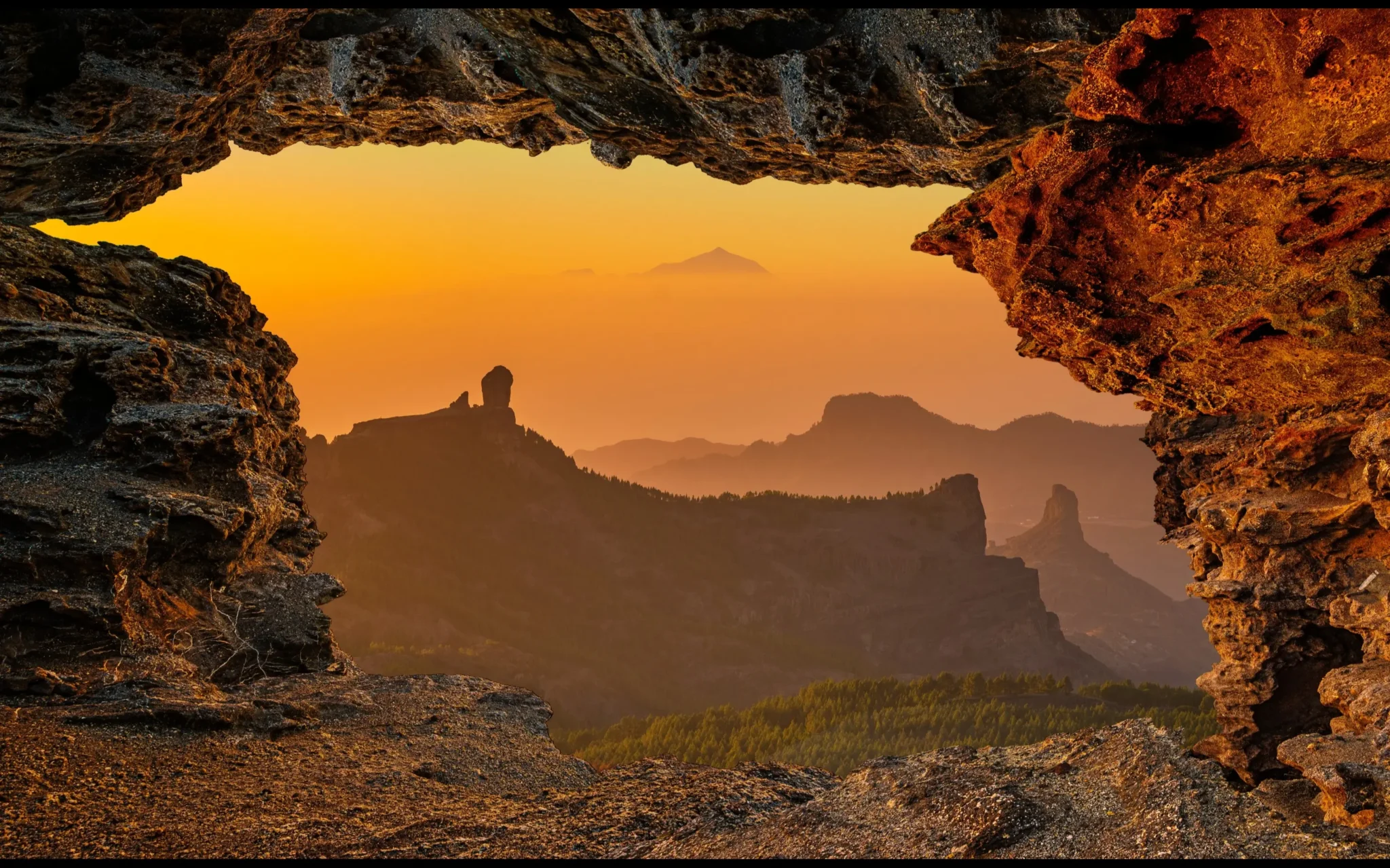
Did you know that the Canary Islands are a unique paradise in the Atlantic? Let yourself be conquered by its incredible diversity of landscapes, from golden beaches and dunes, to imposing volcanoes and ancient forests. Immerse yourself in its rich culture, traditions and the warmth of its people, who will make you feel at home.
The Canary Islands are an archipelago of eight main islands in the Atlantic, renowned for their volcanic origin, amazing natural diversity and year-round spring-like climate.
This destination offers a unique experience that combines adventure, relaxation and culture: from imposing volcanoes and paradisiacal beaches to lush forests and charming traditional villages.
Did you know that the word MACARONESIA comes from Greek and means "Fortunate Islands"?
Bienvenid@ a las Islas Afortunadas
What can you find here?
Beaches and natural pools
Restaurants and gastronomy
Accommodations and hotels
Activities and adventure
Nature and hiking
Museums, art and culture
And much more... DISCOVER IT!
Frequently asked questions
Which is the largest Canary Island?
Tenerife is the largest island in the Canary archipelago, with a surface area of over 2,000 km². It is also the second largest island in Spain, behind only Majorca. It also has the longest coastline in the archipelago, with some 342 kilometres of coastline.
Which Canary Island is the oldest?
Fuerteventura is the oldest island in the Canary archipelago. It was formed more than 20 million years ago, as a result of the submarine volcanic activity that gave rise to the islands as a whole. Its age is reflected in its more eroded and softer landscapes, in contrast to other younger islands such as El Hierro or La Palma.
Which Canary Island receives the most tourists?
Tenerife is the Canary Island that receives the most tourists in the archipelago, with approximately 6.5 million visitors in 2023, representing nearly 40 % of the total tourism in the Canary Islands. It is followed by Gran Canaria (27 % of the total), Lanzarote (17.6 %) and Fuerteventura (14.6 %).
Are the Canary Islands safe?
Yes, the Canary Islands are a very safe destination for travellers. They have one of the lowest crime rates in Spain and Europe. Tourist areas are well policed, and serious crime is rare. As anywhere, it is advisable to take basic precautions, but in general, it is a peaceful and hospitable archipelago, ideal for carefree enjoyment.
Which is the greenest Canary Island?
The greenest Canary Island is La Palma, also known as ‘La Isla Bonita’. Thanks to its humid climate and mountainous relief, it has a great diversity of forests, such as the laurel forests in the Las Nieves Natural Park or the pine forests of the Caldera de Taburiente National Park. La Palma is an ideal destination for nature lovers and hikers.
Which is the least touristic island in the Canary Islands?
The least touristic island of the Canary Islands is El Hierro. It is the smallest of the main islands (excluding islets such as La Graciosa) and also the one that receives the fewest visitors per year. With a focus on sustainable tourism, unspoilt landscapes, volcanic trails and tranquil villages, El Hierro is ideal for those seeking disconnection and authenticity away from mass tourism.
What is the quality of life like in the Canary Islands?
The quality of life in the Canary Islands is very high, thanks to its mild climate all year round, the natural beauty of its landscapes, and a relaxed lifestyle. In addition, the islands have a good health infrastructure, a varied cultural offer and a safe and friendly environment. For these reasons, the Canary Islands are a popular destination for both residents and visitors seeking wellbeing and tranquillity.
When is the best time to travel to the Canary Islands?
The Canary Islands enjoy a mild subtropical climate all year round, but the best time to visit is between March and May, and from September to November, when temperatures are pleasant and there are fewer tourists. This allows you to enjoy the sun, beach and outdoor activities without the crowds of the high season.
Who we are
- Our main objective is to make known the valuable content of the Canary Islands archipelago, promoting responsible and sustainable tourism.
- This archipelago offers natural wonders worth discovering.
- This project together with the projects of welikemadeira , welikecaboverde y welikeazores aim to offer a guide to these sister archipelagos that make up the Macaronesia.
WelikeCanarias
Get to know our Macaronesia Project
Macaronesia is a term that encompasses the archipelagos of the Canary Islands, Azores, Madeira, Cape Verde and the Wild Islands. This name has Greek roots and means “Fortunate Islands”, referring to the mythological antiquity of these territories.
These islands share a volcanic origin and a subtropical climate that favors a unique biodiversity in the world, with many endemic species. This makes them fascinating destinations both for their geology and nature.