
The Teide cable car is the first installation in the world to be powered solely by solar energy: an example of sustainability
The Teide cable car, located in the Teide National Park in Tenerife, has become a sustainability milestone. It is the first facility in the world to operate exclusively on solar energy. This development represents a significant change in its operation, which previously relied on fossil fuels. The transition to renewable energy implies a commitment to reducing emissions and protecting the environment.
The Teide Cable Car, one of Tenerife’s most emblematic attractions, not only offers spectacular views of the volcano and its surroundings, but is also an example of innovation and sustainability.
Powered entirely by solar energy, this pioneering facility combines technology and respect for the environment, marking a before and after in sustainable tourism. Discover how this marvel connects nature and modernity!
Global innovation
Ea Solar Operation
Sustainability
The Teide cable car has come a long way since its construction to become a benchmark of sustainability. Its evolution has been marked by milestones that highlight its legacy in mobility and its adaptation to current environmental requirements.
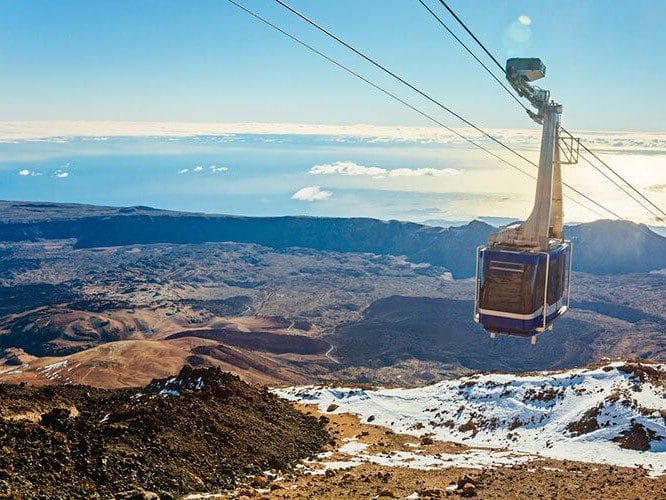
First steps in sustainable mobility
Inaugurated in 1971, the Teide cable car was a major breakthrough in access to Spain’s highest mountain. From its inception, its design and operation sought to minimize environmental impact, allowing thousands of visitors to enjoy the breathtaking views of the Teide National Park. Initially, dependence on fossil fuels, such as diesel, was unavoidable due to the technological limitations of the time.
Switching to renewable energy
Over time, awareness of climate change and the need for a more sustainable approach gained ground. This change in mentality led to a rethinking of cable car operations. The transition to a model that prioritizes renewable energy sources began to take shape, driving innovations that revolutionized its operation.
The search for environmentally friendly solutions has been key. The goal of minimizing the carbon footprint and ensuring that the area’s nature was preserved was a key driver in this process. Efforts culminated in the installation of a solar energy system that made the Teide cable car a world leader in sustainable mobility.
The transition to cleaner and more sustainable energy sources is not without obstacles. In the case of the Teide cable car, several challenges have arisen that have required careful planning and execution. The main challenges faced in this process are discussed below.

The need to reduce CO2 emissions
One of the most significant challenges in the energy transition is the urgent need to reduce CO2 emissions. Fossil fuel-fired facilities contribute to air pollution and climate change. This was a critical aspect driving interest in alternative energy solutions, especially in protected areas such as the Teide National Park.

Solutions to meet energy demand
The ropeway’s high energy demand presented a considerable challenge for its adaptation to a sustainable model. Maintaining efficient and safe operation required an innovative approach that could manage energy consumption without compromising service.
Innovations in storage technology
To address the energy demand issue, advances in energy storage technologies were explored. These innovations are crucial to manage the production and use of solar energy, ensuring that the ropeway has sufficient power at all times, even during periods of lower generation, such as at night or on cloudy days.
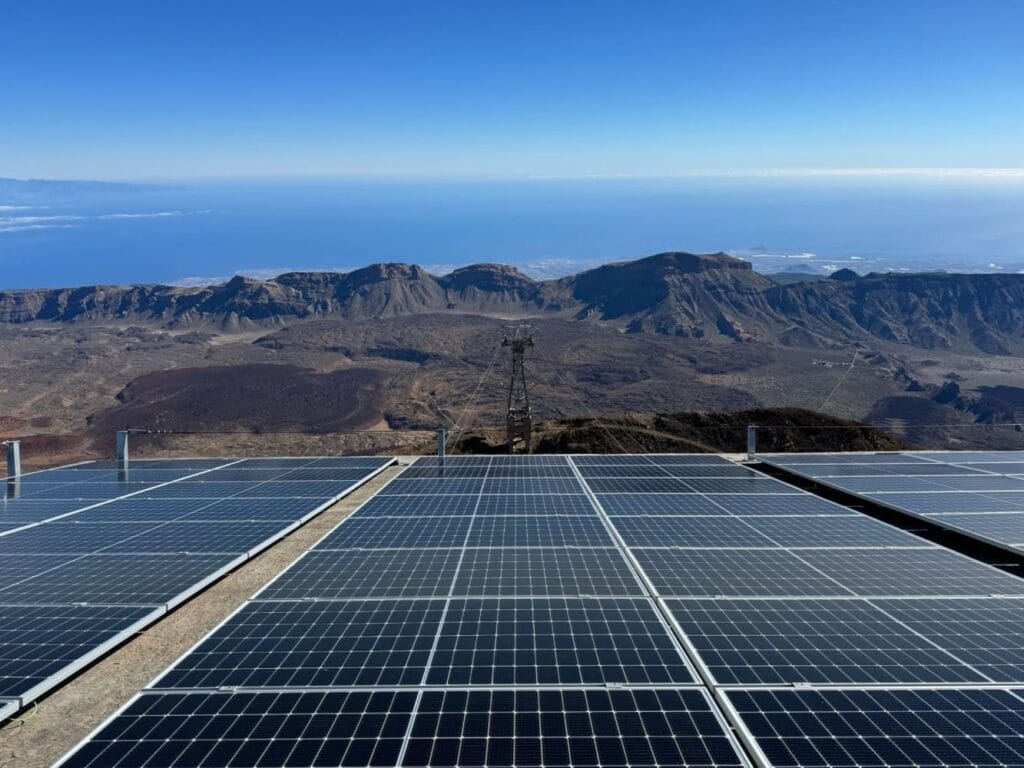
The implementation of solar energy in the Teide cable car has represented a major step towards sustainability and the reduction of environmental impact. This transformation has made it possible to use renewable resources efficiently.
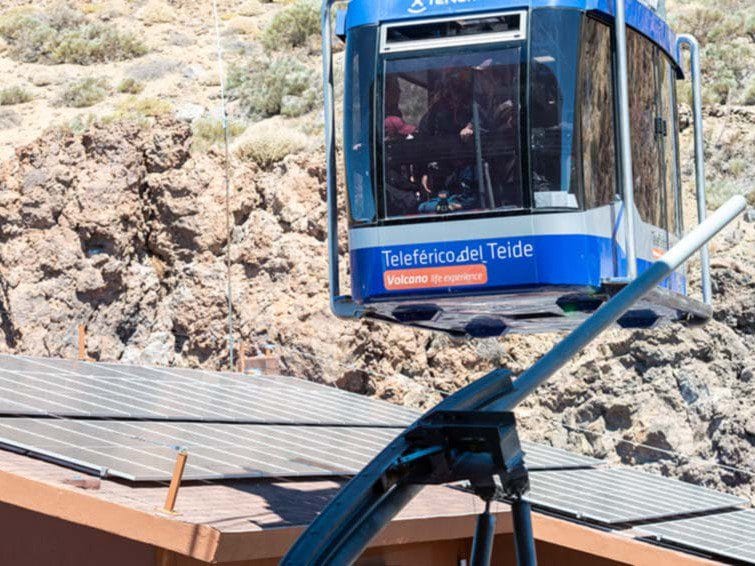
Installation of solar panels on the cable car
The cable car has incorporated a solar panel system into its infrastructure. This installation was meticulously designed, considering both energy efficiency and integration with the natural environment of the Teide National Park. The solar panels generate the energy needed to operate the cable car, thus minimizing dependence on non-renewable energy sources.
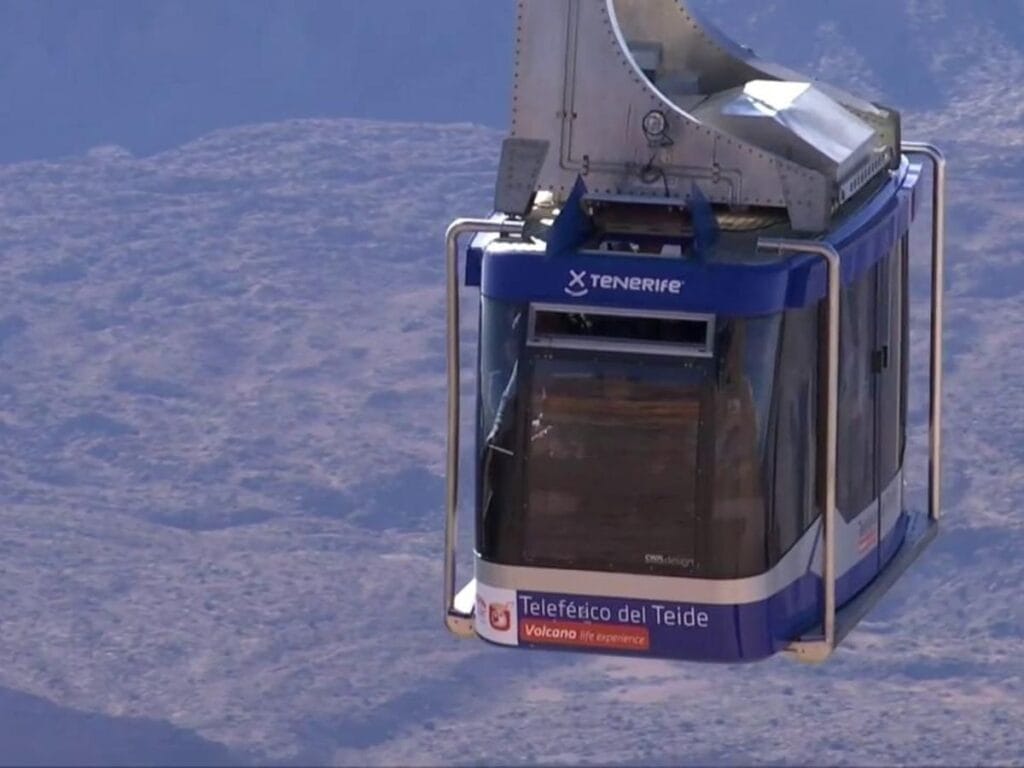
Technology behind the ESFOR system
The ESFOR system, or Energy Storage System For Ropeways, plays a key role in the ropeway’s energy management. This advanced system allows energy to be stored and distributed efficiently, adapting to the ropeway’s operational needs throughout the day. The combination of generated and stored energy ensures a constant and reliable supply.
Advantages of lithium titanate batteries
The batteries used in the ESFOR system are lithium titanate (LTO), an innovative choice with multiple benefits. Among the main advantages are:
- Ability to perform fast charging and discharging, facilitating adaptation to fluctuating energy demand.
- Superior durability compared to lithium-ion batteries, allowing for an extended life cycle.
- Lower environmental impact, since these batteries are less prone to degradation problems in their operation.
Therefore, the implementation of this technology not only improves the operational efficiency of the ropeway, but also contributes to the sustainability of the environment in which it is located.
The transformation to the use of solar energy in the Teide cable car has had a significant impact on both the environment and the local economy. Reducing the carbon footprint and promoting sustainable tourism are just some of the positive results.

Daily reduction of CO2 emissions
One of the most outstanding contributions of the ropeway is the considerable reduction of CO2 emissions. With the implementation of solar energy, approximately 1.69 tons of CO2 have been eliminated daily. This reduction is equivalent to about 618 tons per year, a significant impact in a protected area such as the Teide National Park.
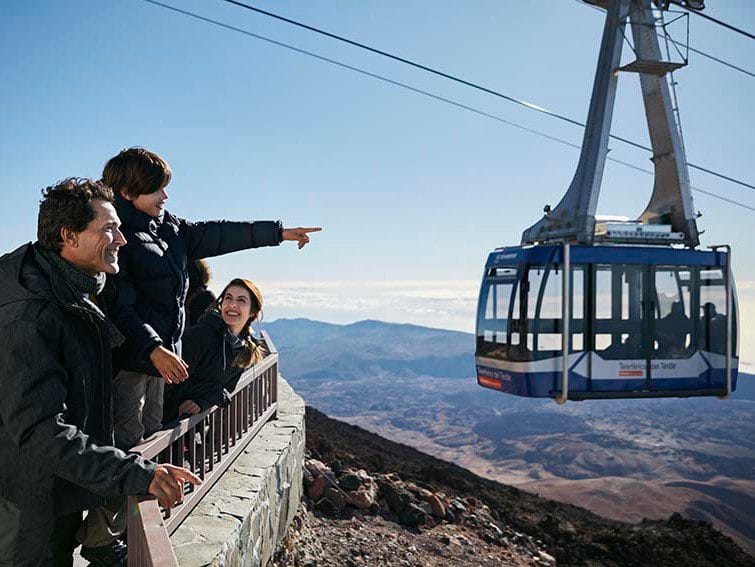
Benefits for the local economy and tourism
The use of renewable energy not only improves the environment, but also benefits the local economy of Tenerife. The sustainability of the cable car has positioned the installation as a tourist attraction, promoting the visit of people interested in respect for the environment and clean energy.
Attraction of visitors interested in sustainability
With each year, an increasing number of tourists seek experiences that reflect sustainability principles. The option of using a cable car that operates entirely on solar energy acts as a magnet for these visitors, who value green initiatives and want to support responsible practices. This, in turn, boosts Tenerife’s visibility as an environmentally committed tourist destination and can lead to an increase in visitor numbers, further benefiting the island’s economy.
The Teide cable car initiative has generated a wide debate and a series of positive assessments within the sustainability and environmental community. This project has not only stood out for its technological innovation, but also for its positive impact on the fight against climate change.
Opinion of leaders in sustainability and the environment
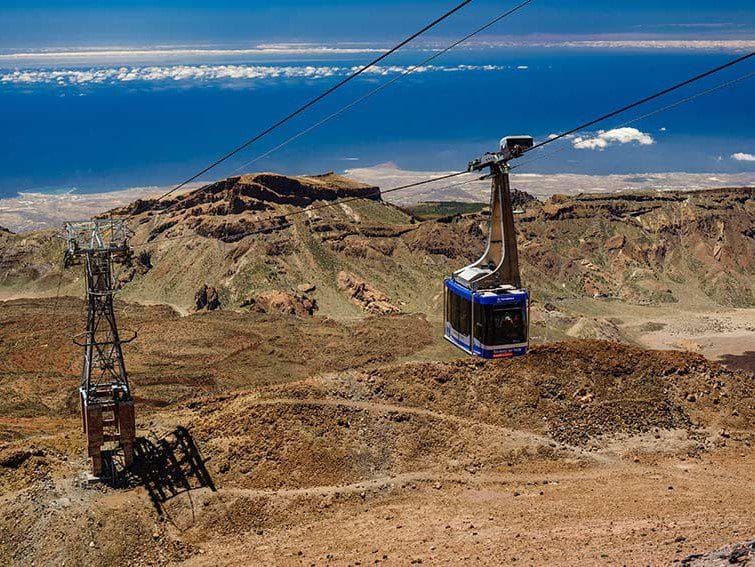
Sustainability experts have praised the ropeway’s use of solar energy. The ability to operate without CO2 emissions is considered a milestone. They emphasize that this installation can serve as a model for other projects in the tourism and energy fields. Among the outstanding opinions are:
- The importance of innovation in the tourism services industry.
- The ability to reduce the ecological footprint in protected environments.
- Promoting environmental awareness among visitors.
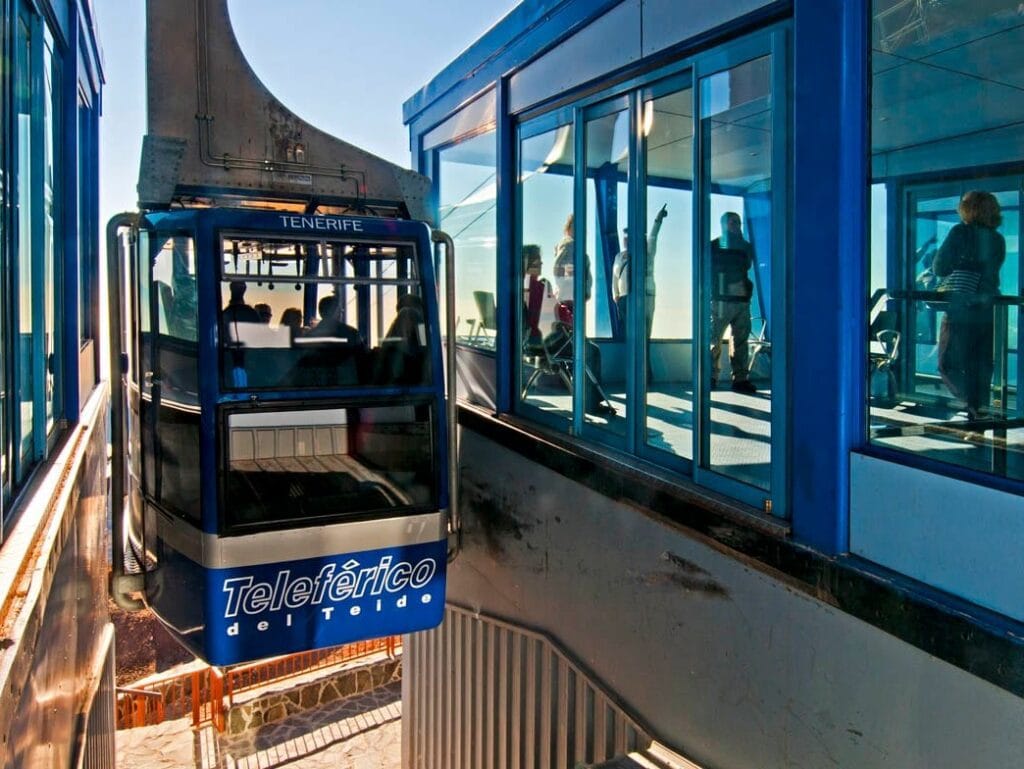
Awards received by the ropeway
The ropeway transformation has been recognized with several awards in the field of sustainability and technological innovation. These awards reflect the positive impact of the project:
- Award for Excellence in Renewable Energy, granted by the Spanish Renewable Energy Association.
- International distinction in tourism sustainability by the Responsible Tourism organization.
- Governmental recognition for emission reduction and environmental commitment.
This recognition not only values the effort made, but also motivates others to follow the example of the Teide cable car in the transition to a more sustainable future.
The Teide National Park is positioned as a benchmark in the implementation of sustainable energies. With a clear commitment to innovation, the future is promising for the adoption of technologies that favor energy efficiency.

Plans to improve the efficiency of all facilities
The park authorities have initiated a series of plans to enhance the efficiency of all facilities. Among the main objectives are:
- Evaluate the energy performance of existing infrastructures.
- Implement energy management systems that optimize the use of resources.
- Promote research in new renewable technologies.
Integrating more solar panels and other clean energy systems is a priority. These steps not only promote sustainability, but also serve as a model for future initiatives in other protected areas.

Inspiration for other regions and projects around the world
Teide’s energy transition has galvanized the attention of many regions globally. This model serves as an inspiration for projects seeking to develop similar capabilities in their own localities. Some of the key features that have been highlighted are:
- Collaboration between public and private entities.
- The importance of educating the population about sustainability and the use of renewable energies.
- The possibility of replicating this initiative in other mountains or protected areas facing energy challenges.
This approach could trigger a domino effect, where other locations are encouraged to follow suit, thus contributing to greater adoption of clean energy globally.