
La Graciosa, what makes this roadless island special?
Discover on your own the island of La Graciosa, a hidden gem in the Canary archipelago. Known for its tranquility and unspoiled landscapes, it offers golden sandy beaches and crystal clear waters.
It is characterized by its virgin essence and unique tranquility, with landscapes that combine golden sand beaches, crystal clear waters and volcanic formations. Known as ‘the last paradise of Europe’, La Graciosa is ideal for those seeking disconnection and nature in its purest state.
Visitors can explore the island on foot or by bicycle, delight in the local gastronomy based on fresh fish and enjoy the serenity of its villages such as Caleta de Sebo. This destination, with no paved roads, is perfect for those seeking an authentic and relaxed experience away from the hustle and bustle.
Population of the island in 2023: 700 inhabitants
Capital: Caleta del Sebo
Ethnicity: Graciosero/Graciosera
General Information about La Graciosa
La Graciosa, located in the Chinijo archipelago, is famous for its beaches, volcanic landscapes and tranquility that make it a paradisiacal refuge in the Atlantic.
Location and Access
La Graciosa is located in the northwest of Lanzarote. It belongs administratively to the province of Las Palmas, in the autonomous community of the Canary Islands. It is integrated in the municipality of Teguise and is part of the Natural Park of the Chinijo Archipelago, one of the most important protected areas in Europe.
How to get to La Graciosa
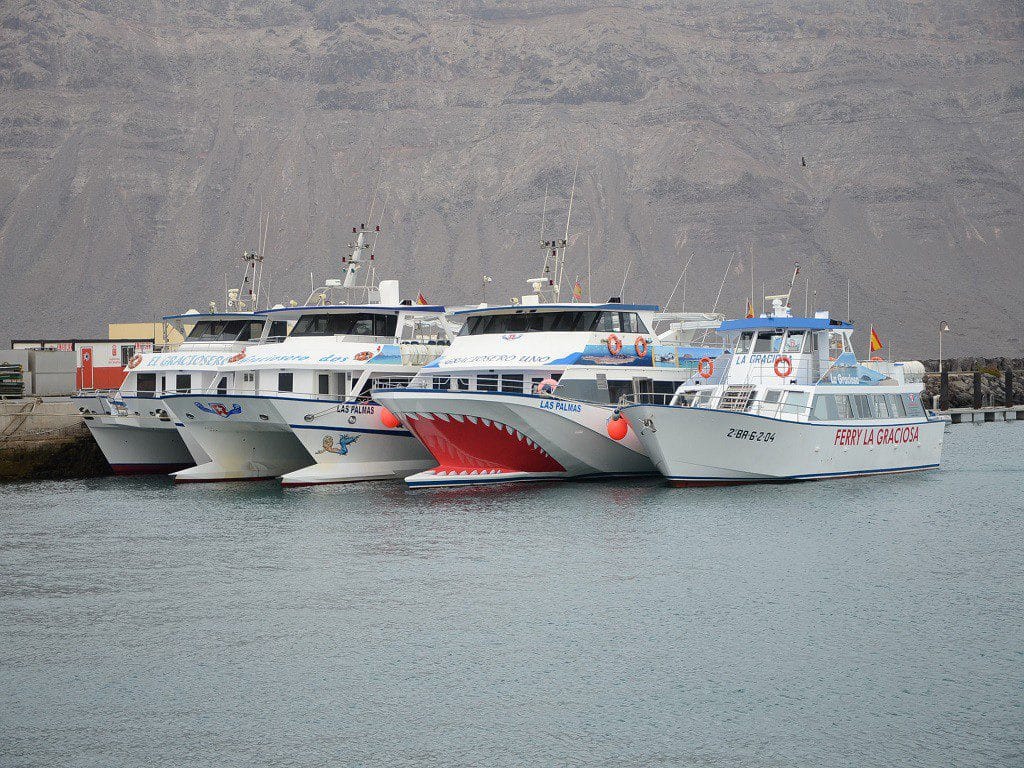
To get to La Graciosa it is first necessary to travel to Lanzarote. The island is connected to Lanzarote by ferries departing from the port of Órzola, located in the north of Lanzarote. It is also possible to reach Lanzarote by plane, using the airport of Arrecife as a connection point.
Ferry services between Lanzarote and La Graciosa
There are two main companies operating regular ferry services between Órzola, in Lanzarote, and Caleta de Sebo, in La Graciosa. The ferries operate daily and allow the transport of both passengers and goods. The journey takes approximately 25 minutes, offering travelers spectacular views along the way.
History of La Graciosa
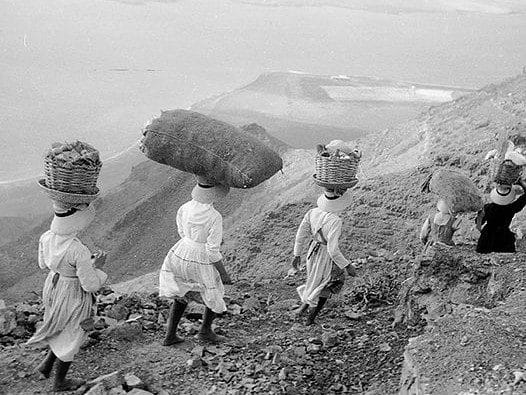
La Graciosa was discovered by Europeans in the 14th century during Lanzarotto Malocello’s expedition. With a history linked to fishing and the exploitation of salt mines, it has remained an isolated enclave until recent decades. Since the 19th century, the population has been growing slowly, developing mainly in Caleta de Sebo. La Graciosa has been part of the municipality of Teguise since 1812, and in 2018 gained recognition as the eighth inhabited island of the Canary archipelago.
Demographic and Social Data
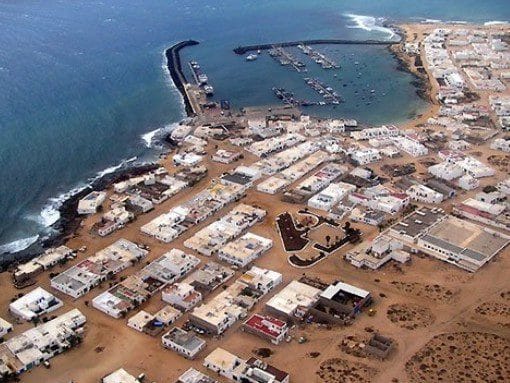
The population of La Graciosa is around 700 inhabitants, most of them concentrated in Caleta de Sebo, which is the capital of the island. The other population center is Pedro Barba, which is a small group of houses mainly for vacation use.
The island’s economy has traditionally been based on fishing and small salt farms. However, in recent years, tourism has gained prominence, becoming one of the main sources of income. The local community is known for its tranquility and hospitality, which adds a special charm to the visit.
2. Natural Attractions
La Graciosa stands out for its unique natural landscapes, especially for its pristine beaches, volcanic formations and rich marine diversity. All this makes this island a unique place for nature lovers.
Beaches
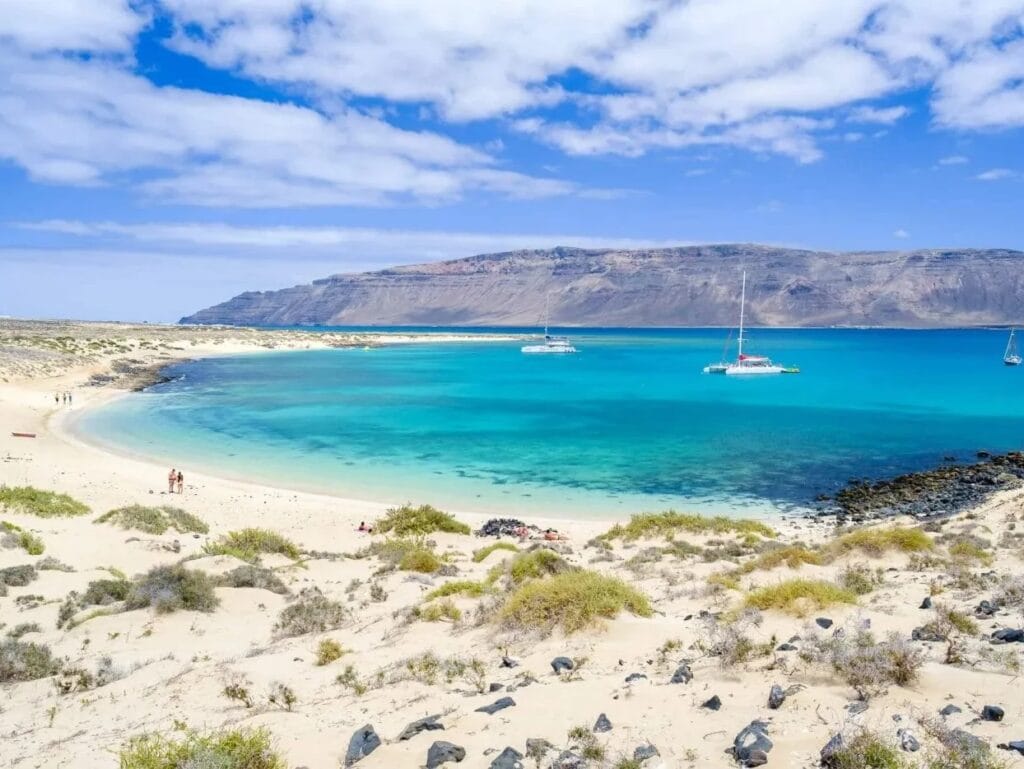
The beaches of La Graciosa are one of its main attractions. Among the most outstanding are La Francesa Beach and Las Conchas Beach.
La Francesa Beach
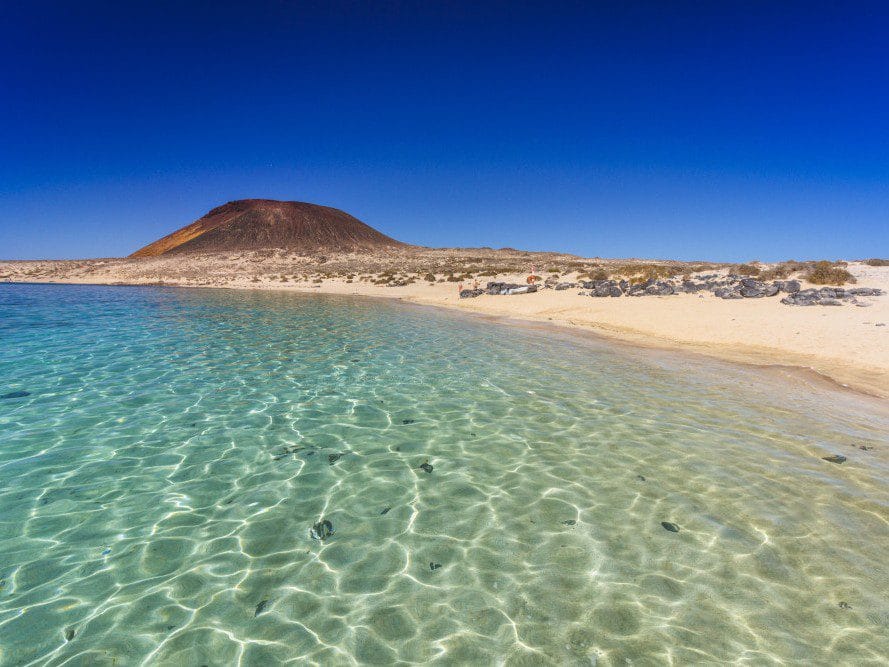
La Francesa beach is located on the south coast of La Graciosa. It is known for its fine golden sands, as well as for its crystal clear and calm waters. It is an ideal place to relax and enjoy the sun, and due to its rich seabed, there is a lot of snorkeling with the breathtaking view of the Riscos de Famara in the background.
Las Conchas Beach
Located in the north of the island, Las Conchas Beach is characterized by its white sand and its impressive volcanic landscape. Its strong currents make bathing dangerous, so extreme caution is recommended. Nevertheless, it is a magnificent place to stroll and admire the natural beauty.
Volcanic Landscapes
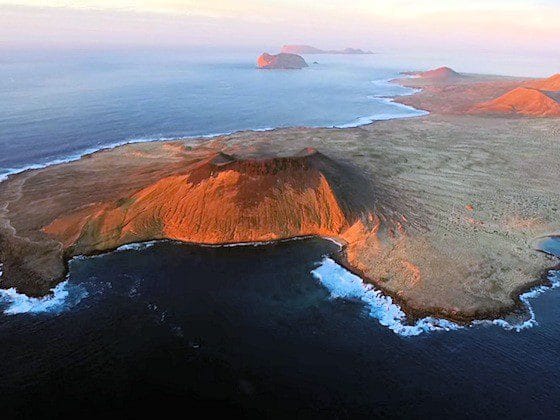
La Graciosa has fascinating volcanic landscapes that offer a unique environment for visitors. Craters and rock formations of volcanic origin provide a spectacular backdrop for outdoor activities and photographs.
Yellow Mountain
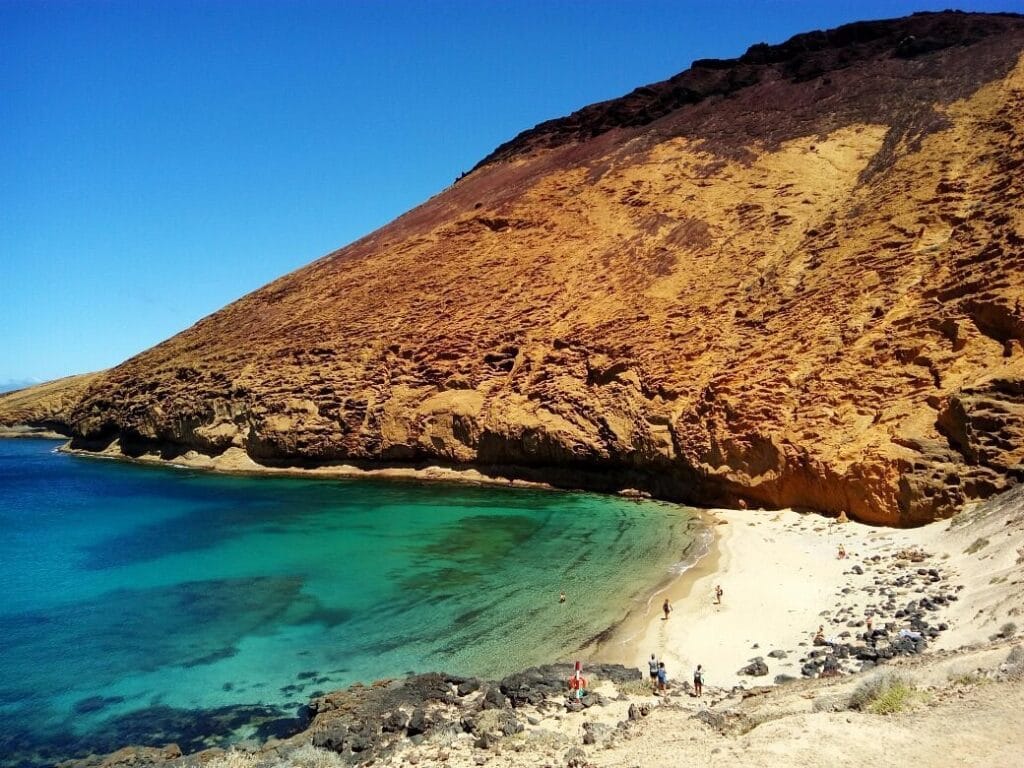
Montaña Amarilla is one of the most emblematic places of La Graciosa. This volcanic formation stands out for its distinctive yellow color, a result of the minerals present on its slopes. The hike to its summit offers panoramic views of both the island and the Atlantic Ocean.
Chinijo Archipelago Marine Reserve
The Chinijo Archipelago Marine Reserve, the largest in Europe, is an important protected area covering La Graciosa and several nearby islets. It is home to a rich marine biodiversity that attracts visitors interested in underwater life.
Special Protection Zone
Within the Marine Reserve, there are areas delimited as Special Protection Areas due to the ecological importance of their marine habitats. These areas are crucial for the conservation of endangered species and marine ecosystems.
Species Diversity and Marine Macroalgae
The diversity of species in the reserve is remarkable, with a great variety of fish, corals and macroalgae. The clear, clean waters allow divers and snorkelers to explore this underwater richness, observing marine life up close in its natural environment.
3. Activities in La Graciosa
La Graciosa offers a variety of activities to enjoy its natural beauty and relaxing environment. From active tourism to boat trips, there are options for all tastes.
Active Tourism
Active tourism is one of the main ways to enjoy La Graciosa. Exploring the island by bicycle or on foot allows you to get to know its volcanic landscapes and virgin beaches.
Cycling and Hiking
La Graciosa’s network of trails and sandy paths is perfect for cycling and hiking enthusiasts. Touring the island on two wheels or walking offers the opportunity to enjoy its breathtaking views and tranquility, while discovering its varied flora and fauna. The trails are suitable for all levels, from beginner to advanced.
Snorkeling and Diving
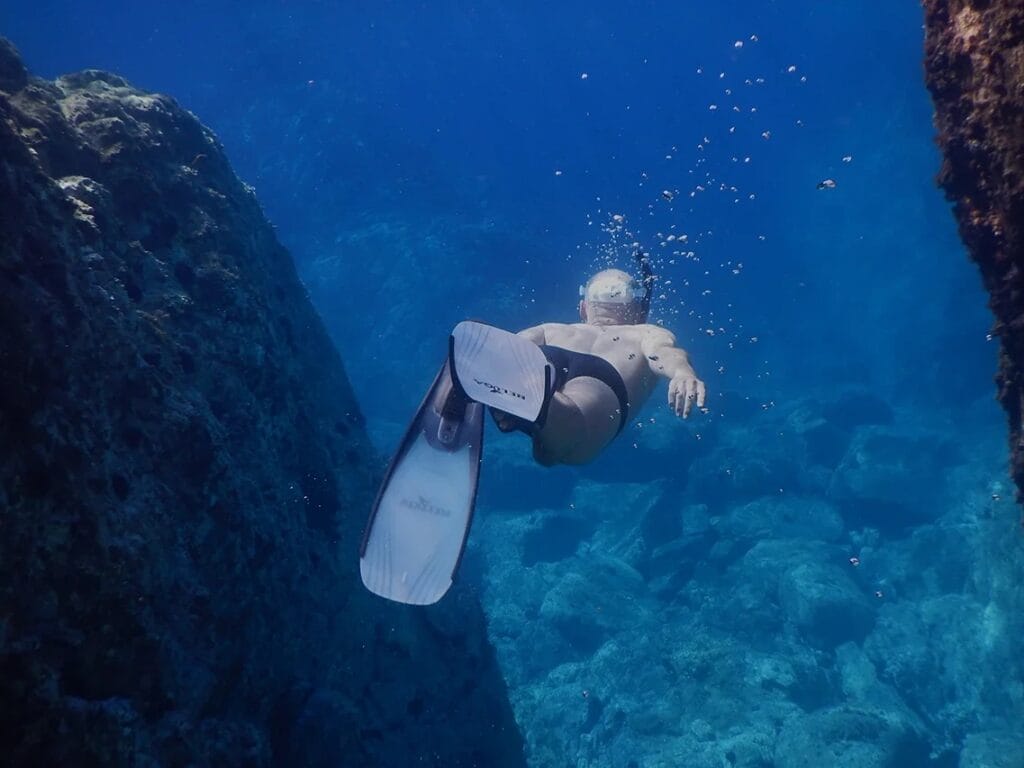
The crystal clear waters of La Graciosa make snorkeling and scuba diving very popular activities. The Chinijo Archipelago Marine Reserve, the largest in Europe, is home to an impressive marine biodiversity. Snorkeling at La Francesa Beach or diving in the authorized areas allows you to observe a great variety of marine species, including fish, invertebrates and algae. It is a unique experience to enjoy the underwater richness in a protected environment of great ecological value.
Boat Excursions
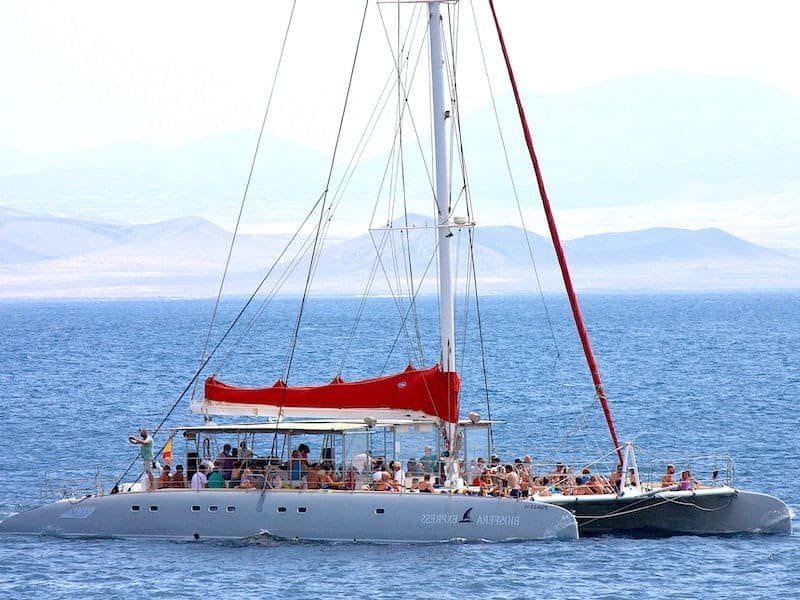
Boat trips are an excellent way to explore La Graciosa from a different perspective. Sailing through its calm waters allows you to discover corners inaccessible by land and enjoy breathtaking panoramic views.
Tour of the Chinijo Archipelago Islets
Boat excursions usually include tours of the islets of the Chinijo Archipelago. These islets, all part of the Marine Reserve, offer breathtaking natural landscapes and seabird sightings. Tourists can disembark on some of these islets to explore them on foot and enjoy nature in its purest state.
Views from the Sea
One of the most rewarding activities is to enjoy the views of La Graciosa from the sea. Sailing around the island allows you to admire its pristine beaches, volcanic formations and cliffs, with a perspective that can only be obtained from the water. Excursions usually pass by emblematic places such as Montaña Amarilla and offer opportunities for swimming and snorkeling in privileged places.
4. Culture and Heritage
La Graciosa is home to a rich history and cultural heritage that is reflected in its traditions and in the Chinijo Museum in Caleta de Sebo. This section explores both aspects in depth.
Chinijo Museum of Caleta de Sebo
Fauna and Flora Information
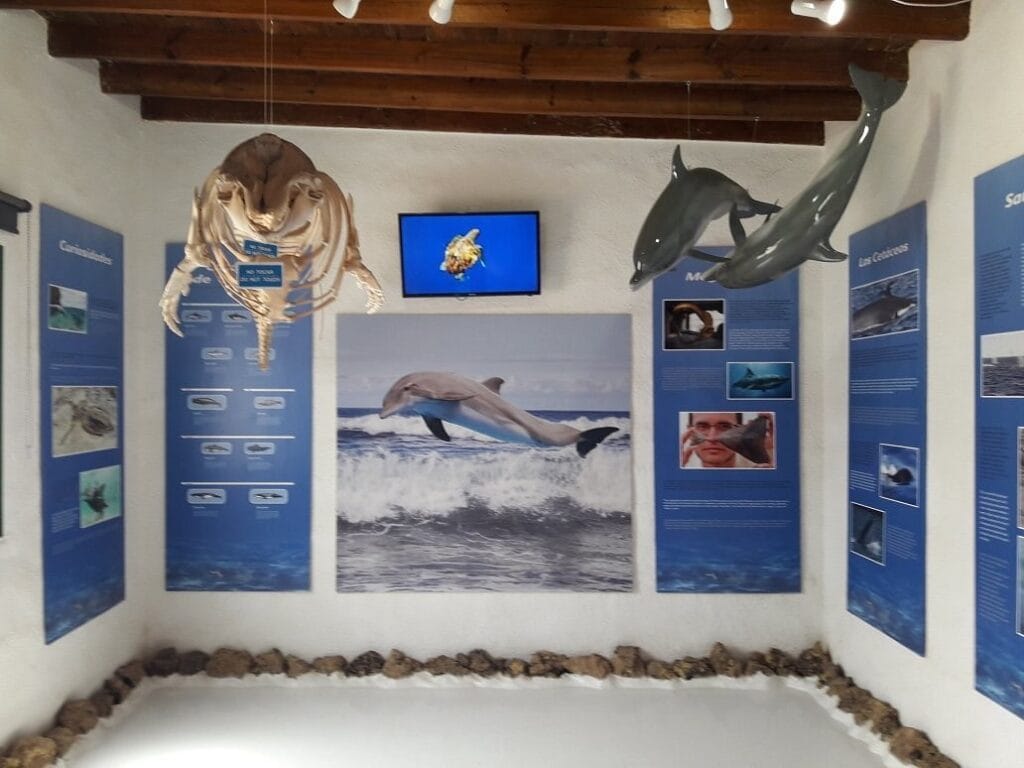
The Museo Chinijo de Caleta de Sebo offers a detailed view of the island’s biodiversity. It focuses on the native fauna and flora. Visitors can learn about the migratory bird species that visit the island, as well as the endemic plants that thrive in its volcanic terrain.
The exhibition also shows information about the marine ecosystem surrounding La Graciosa and the Chinijo archipelago, highlighting the variety of species of fish and macroalgae that inhabit its waters.
History of Salt and Salt Flats
The museum also dedicates a section to the history of salt and salt mines in La Graciosa. Salt production was a fundamental economic activity for many years on the island. This practice not only had an impact on the local economy, but also shaped the landscape and culture of the island.
Documents and old photographs illustrate the process of extraction and preparation of salt. They show how the salt pans have become an essential part of the heritage of La Graciosa.
Local Traditions
The local traditions of La Graciosa are a reflection of the history and way of life of its inhabitants. The festivals and popular celebrations are a sample of the cultural identity of the island.
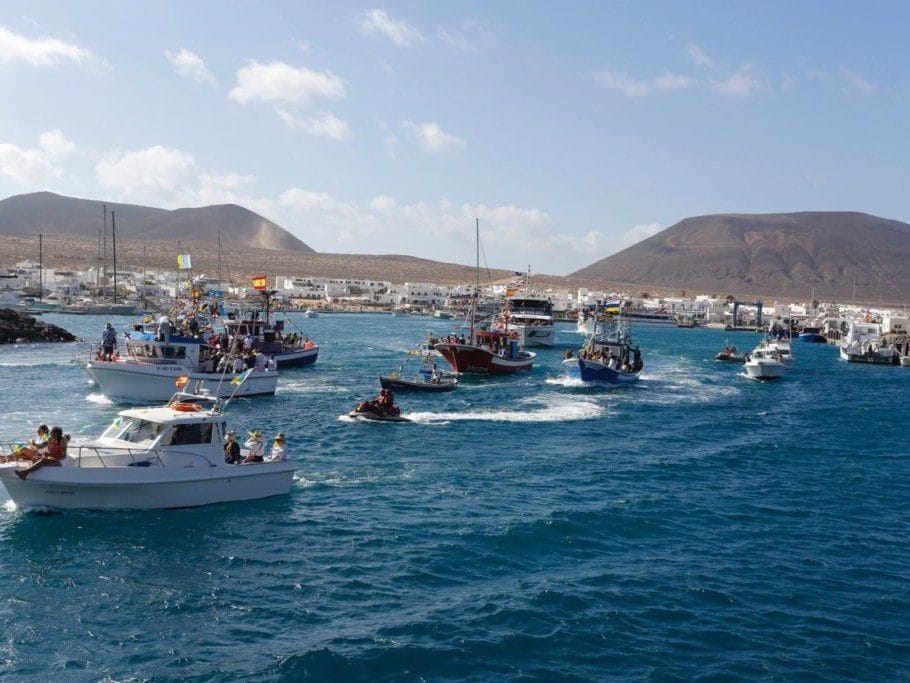
Some of the most outstanding events include the festival in honor of the Virgen del Carmen, patron saint of sailors. This celebration is held in Caleta de Sebo and features maritime processions, music and traditional dances.
Other traditions include artisanal fishing and gastronomy based on fresh seafood, which are still maintained as pillars of daily life in La Graciosa.
5. Gastronomy
The gastronomy of La Graciosa is a feast for the senses, standing out for its fresh ingredients and traditional dishes that reflect the richness of the environment.
Typical Dishes
Fresh Fish
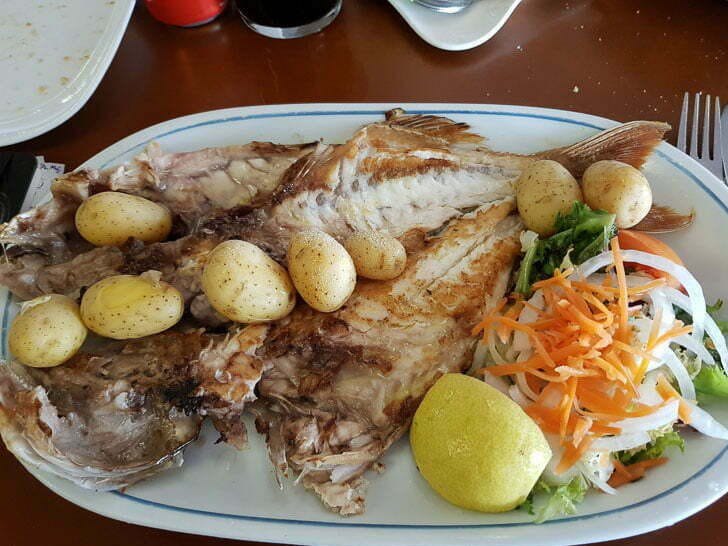
Fresh fish is the protagonist in the cuisine of La Graciosa. Daily catches bring to the table species such as vieja, grouper and bream, which are prepared grilled, fried or baked. Local restaurants strive to offer simple dishes that highlight the natural flavor of the fish, paired with local ingredients.
Wrinkled Potatoes and Mojo
Another essential element of graciosa gastronomy is papas arrugadas con mojo (wrinkled potatoes with mojo). The potatoes, characterized by their small size and rough skin, are boiled in salted water and served with two types of mojo: green (made with coriander and parsley) and red (based on peppers and garlic). This accompaniment is perfect for any meal and reflects the Canarian tradition.
Wines of Lanzarote
The wines of Lanzarote are an excellent complement to the gastronomic offer of La Graciosa. The neighboring island produces unique wines thanks to its volcanic soil and special climate. Among the most outstanding are the white wines made with the Malvasia variety, known for their aromatic intensity and freshness. Red and sweet wines are also produced, ideal for pairing with Canary desserts.
Eating and Drinking in La Graciosa
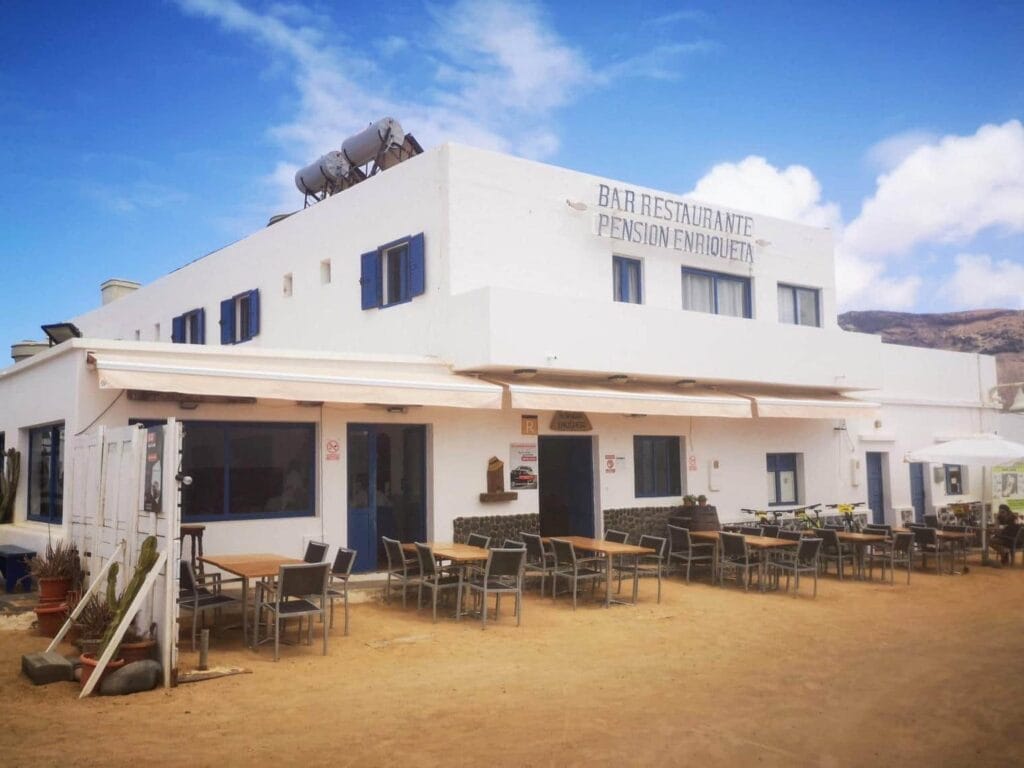
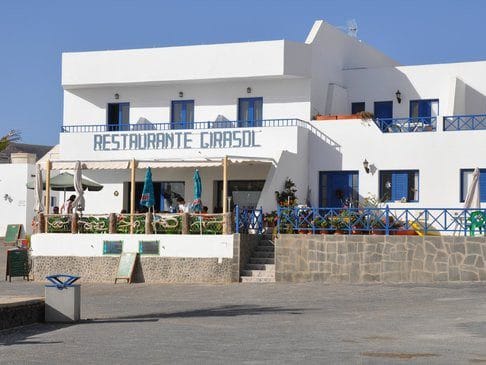
Eating and drinking in La Graciosa is an experience that allows you to enjoy the essence of the island. Local restaurants, located mainly in Caleta de Sebo, offer menus based on fresh products, with a strong presence of fish and seafood. You can find from traditional dishes to more modern proposals that preserve the local roots.