
Immerse yourself in the Canary Islands
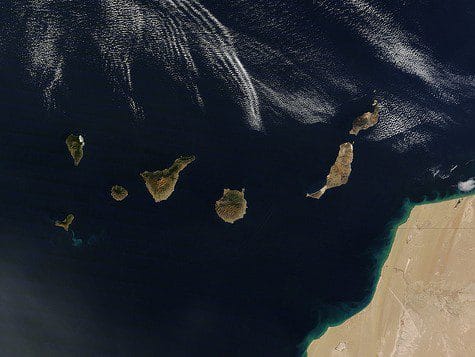
The Canary Islands, a volcanic paradise in the middle of the Atlantic, stand out for their diversity of landscapes, year-round spring-like climate and unique cultural richness. From its golden sandy beaches to its natural parks and charming villages, each island offers a different experience. To immerse yourself in the archipelago is to discover nature, history, gastronomy and adventure in an incomparable environment. In this guide we invite you to explore the best of the Canary Islands and let yourself be conquered by their essence.
When the name Canary Islands is mentioned, one often thinks of its paradisiacal beaches of golden sand and crystal-clear waters. However, this archipelago is much more than a sun and sea destination. Canary culture is an amalgam of influences that are reflected in its music, traditional sports and, of course, its exquisite gastronomy. Here, the sound of the timple, a small stringed instrument, resonates in local festivities, while native sports such as Canarian wrestling and the game of palo capture the essence of the island spirit.
And there are activities for all tastes, from hiking, water sports, and endless leisure options, making it one of the most important tourist destinations in Spain. In addition, each island is full of anecdotes and curious stories that add a touch of magic to the visitor’s experience. From aboriginal legends to tales of sailors and pirates, every corner of this archipelago has a story to tell. To immerse yourself in the Canary Islands is to enter a world where tradition blends with modernity.
1. Discovering traditional sports
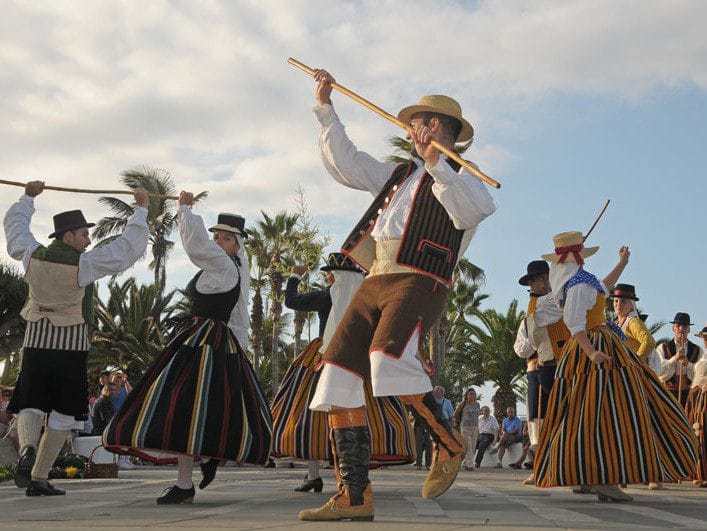
Attending a sporting, dance and folk music event, as well as traditional festivals, is an authentic experience when traveling anywhere.
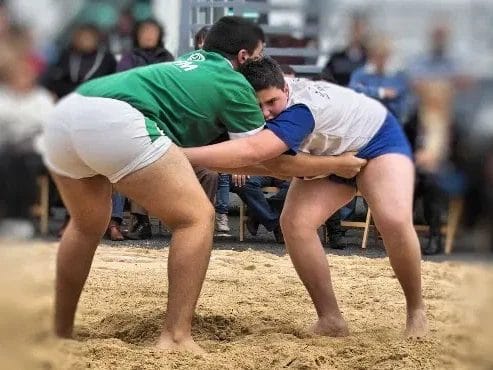
Canarian Wrestling
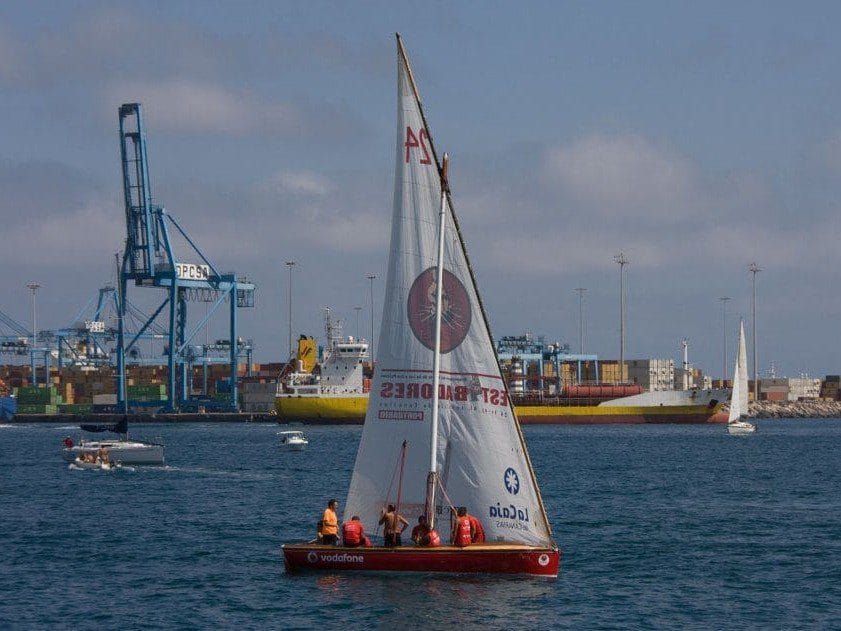
Lateen Sailing
Canary Island Lateen Sailing is a nautical sport native to the Canary Archipelago, with a strong tradition especially in the islands of Gran Canaria and Lanzarote. The boats with which the regattas take place, called boats, are composed of a three-pointed sail and highlights the disproportion so great that exists between the hull and the dimension of the same.
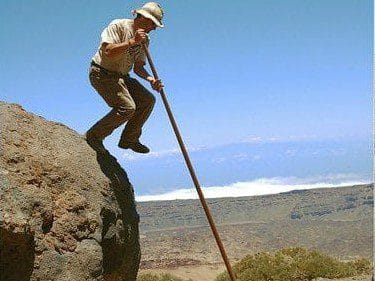
Shepherd's Leap
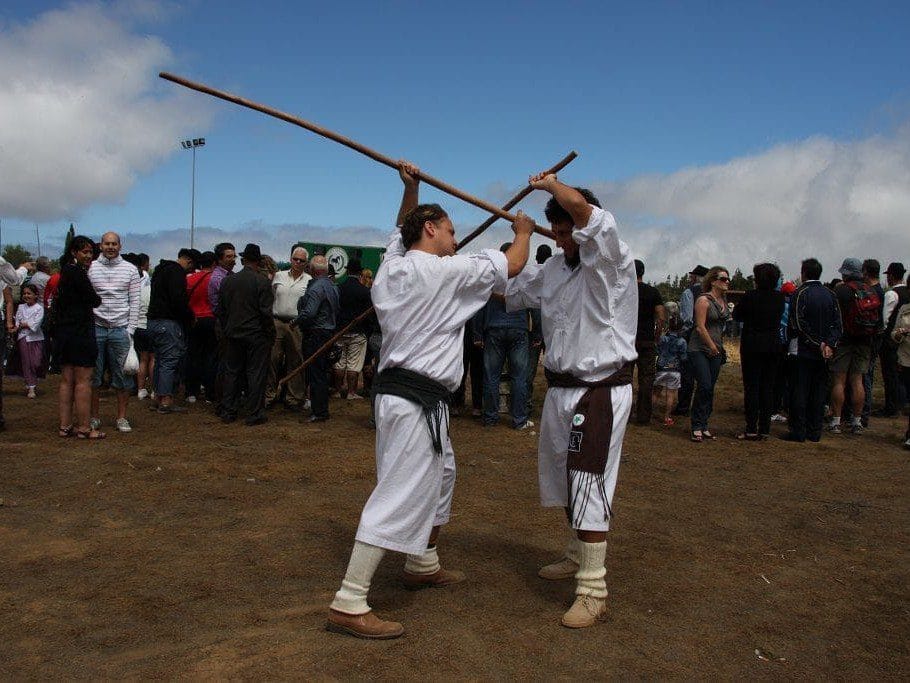
Garrote Fighting
It is a traditional Canarian sport that comes from the practice of combat used by the aboriginal shepherds of the Canary Islands. This fight requires the use of the garrote, a wooden implement that was used both for combat and for moving around the countryside and handling livestock. Currently, it is a regulated sport and is practiced, among other islands, in Gran Canaria, Tenerife and Fuerteventura.
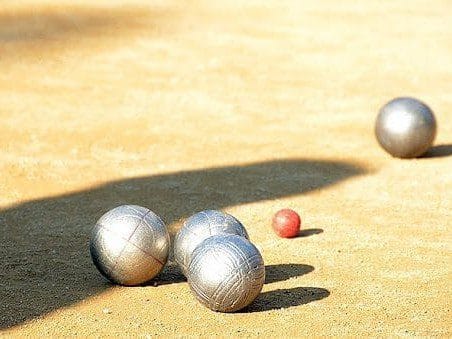
Canary ball
2. Our traditional dances and songs
The traditional dances and songs of the Canary Islands form an essential part of the cultural identity of the archipelago, reflecting the rich historical heritage and diverse influences that have marked these islands over the centuries.
Isa
The isas are cheerful and festive songs that are usually sung in celebrations and popular festivities. Their rhythm is lively and cheerful, and they are one of the most representative musical forms of the Canary Islands.
The lyrics of the isas usually talk about daily life, love and nature. They are sung in groups, accompanied by traditional instruments such as the timple, guitar and chácaras.
Folías
Folías are slower and more melodic compared to isas. They have a more solemn and romantic character, and their lyrics often speak of love and nostalgia.
Folías are sung in a melancholic and expressive tone, and are accompanied by instruments such as the timple, guitar and lute.
Malagueñas
Similar to the folías, the malagueñas have a slow rhythm and a sentimental melody. It is believed that its origin is related to Andalusian music, adapted to the Canarian style.
The malagueñas are interpreted with great feeling and are accompanied by the timple and guitar.
Los Sabandeños
Emblematic folk group founded in 1966 in San Cristobal de La Laguna, Tenerife.
Los Sabandeños have played a crucial role as cultural ambassadors of the Canary Islands, taking their music to international stages and collaborating with various artists.
Los Gofiones
Folkloric group founded in 1968 in Las Palmas de Gran Canaria, Gran Canaria.
They have been instrumental in the revitalization of Canarian folk music, performing both on the islands and internationally. With a combination of traditional instruments and harmonious voices, Los Gofiones are a pillar of Canarian musical culture.
3. Discovering our Gastronomy
Each island has its own culinary specialties that reflect the history, culture and local products of the region. Below, we invite you on a gastronomic journey through the islands, highlighting a typical dish and dessert from each.

Sancocho Canario
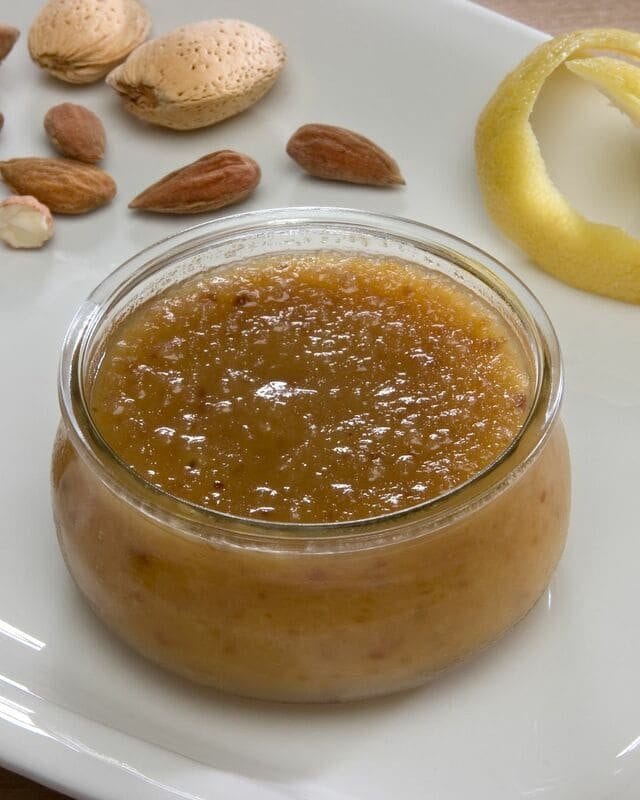
Bienmesabe
Gran Canaria
- Typical Dish: Sancocho canario – A salted fish dish cooked with potatoes, sweet potatoes and accompanied with mojo.
- Dessert: Bienmesabe – Similar to that of Tenerife, this dessert is also very popular in Gran Canaria and stands out for its almond and honey flavor.

Pork ribs, potatoes and pineapple

Frangollo
Tenerife
- Typical Dish: Ribs with potatoes and pineapple- It is elaborated with pork ribs, potatoes and millet pineapples (corn cobs), generally accompanied by green mojo or red mojo.
- Dessert: Frangollo – It is made mainly with corn flour, milk, sugar and spices, and can be enriched with raisins, almonds and other ingredients.

Goat Meat

Machanga milk
Fuerteventura
- Typical Dish: Carne de Cabra – Consists of chunks of goat meat slowly cooked in a pot with a mixture of vegetables and spices.
- Dessert: Leche Machanga – It is made mainly with goat’s milk, sugar, and cinnamon, and has a texture similar to flan or custard.

Marinated tuna

Cuddles
Lanzarote
- Typical Dish: Tuna in marinade – It is cooked with a sauce made from oil, garlic, paprika, vinegar, salt and a little pepper.
- Dessert: Mimos – The commonly called suspiros, traditional meringues in the form of small balls whose origin is part of the island of Gran Canaria.

El Hierro Quesadilla

Jaramagos stew
El Hierro
- Typical Dish: Potaje de Jaramagos – Jaramagos are a wild plant. This stew is a kind of thick stew or soup prepared with jaramagos and other local ingredients.
- Dessert: Quesadilla de El Hierro – It is a cake made mainly with fresh cheese from El Hierro, sugar, eggs, flour, and other ingredients that give it its characteristic flavor and texture.

Wheat Stew

Prince Albert
La Palma
- Typical Dish: Potaje de Trigo – A stew based on wheat, legumes, vegetables and pork, very nutritious and comforting.
- Dessert: Principe Alberto – Composed of layers of sponge cake, chocolate cream with coffee and almonds, covered with a layer of chocolate. It is a delight that combines different textures and flavors.

Almogrote Gomero

Vilana Cake
La Gomera
- Typical Dish: Almogrote Gomero – A kind of pate made with cured cheese, peppers, garlic and olive oil.
- Dessert: Torta de Vilana – This is a traditional Gomeran dessert made with potatoes, almonds, sugar, eggs and lemon zest.
4. Canary Characters
The history and culture of the Canary Islands cannot be understood without the figures who have left their mark on it. From artists and athletes to scientists and thinkers, Canary Islanders have projected the talent of the archipelago beyond its borders, proudly representing its roots and its insular identity.
César Manrique
Spanish artist, architect and environmental activist, born Lanzarote. Known for his harmonious integration of art and nature, and for his crucial role in the environmental conservation of Lanzarote.
Benito Pérez Galdós
Born in Las Palmas de Gran Canaria. He was an outstanding Spanish novelist, playwright and chronicler of the 19th century.
Mercedes Pinto
Writer, journalist and lecturer born in La Laguna, Tenerife. Known for her fight for women's and children's rights.
Alfredo Kraus
Light lyric tenor born in Las Palmas de Gran Canaria. Considered one of the best tenors of the twentieth century and noted for his vocal technique and elegance on stage.
5. Festivals and popular celebrations
The Canary Islands vibrate to the rhythm of their festivals, where devotion, tradition and joy are mixed. From pilgrimages to carnivals, these celebrations reflect the soul of the Canarian people and their unique way of living and sharing.
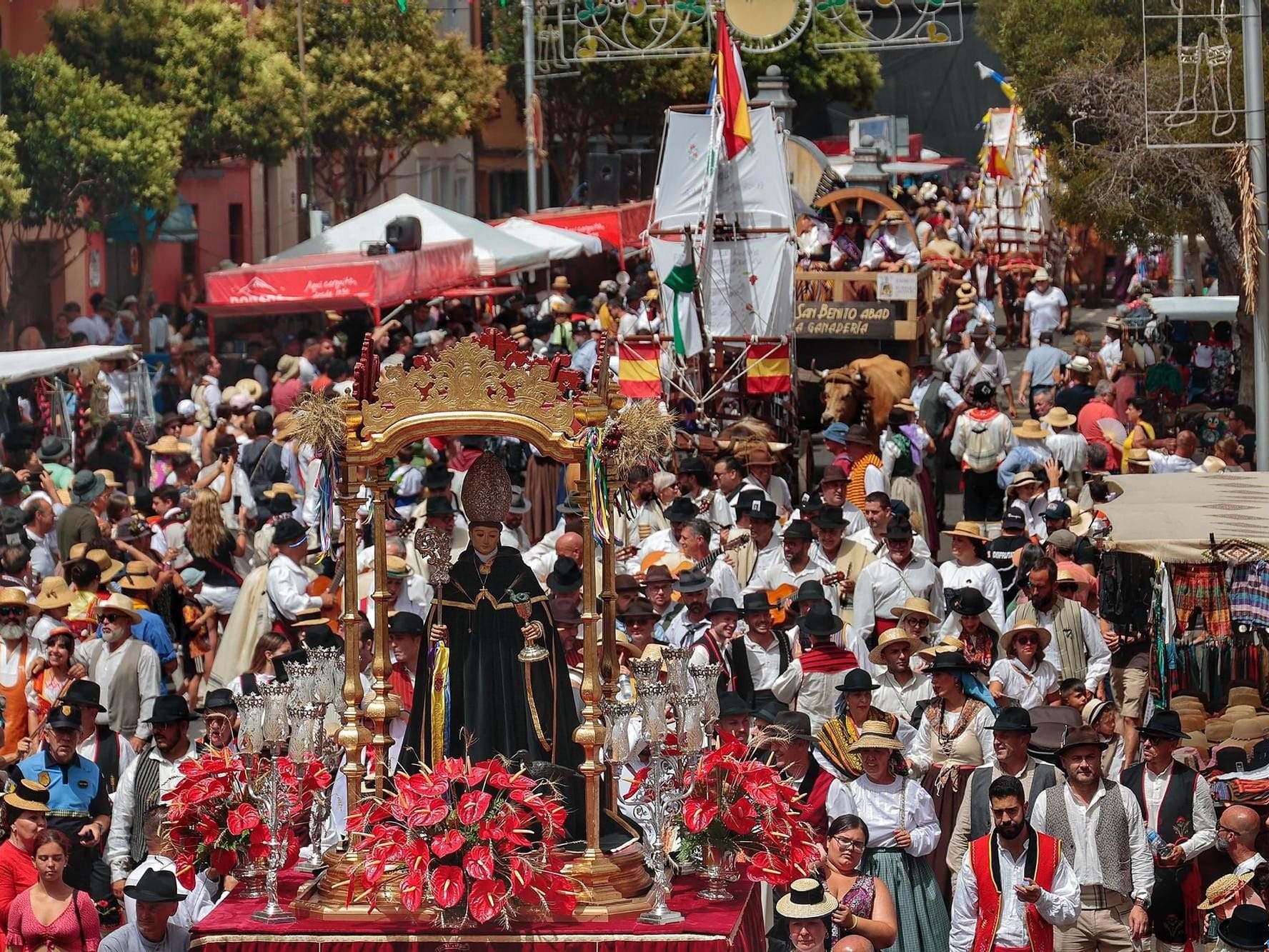
Traditional pilgrimages: devotion and folklore on the move
The pilgrimages of the Canary Islands are authentic celebrations of the popular soul. They are held in honor of virgins and patron saints, and bring together thousands of people who dress in traditional costumes, transport decorated carts and share food and drink in community.
Most outstanding pilgrimages:
– Pilgrimage of San Benito Abad (La Laguna, Tenerife)
– Pilgrimage of El Pino (Teror, Gran Canaria)
– Romería de los Dolores ( Tinajo, Lanzarote)
Each of them offers a unique experience where religiosity, culture and celebration are mixed. They are a living way to connect with the history and identity of each island.
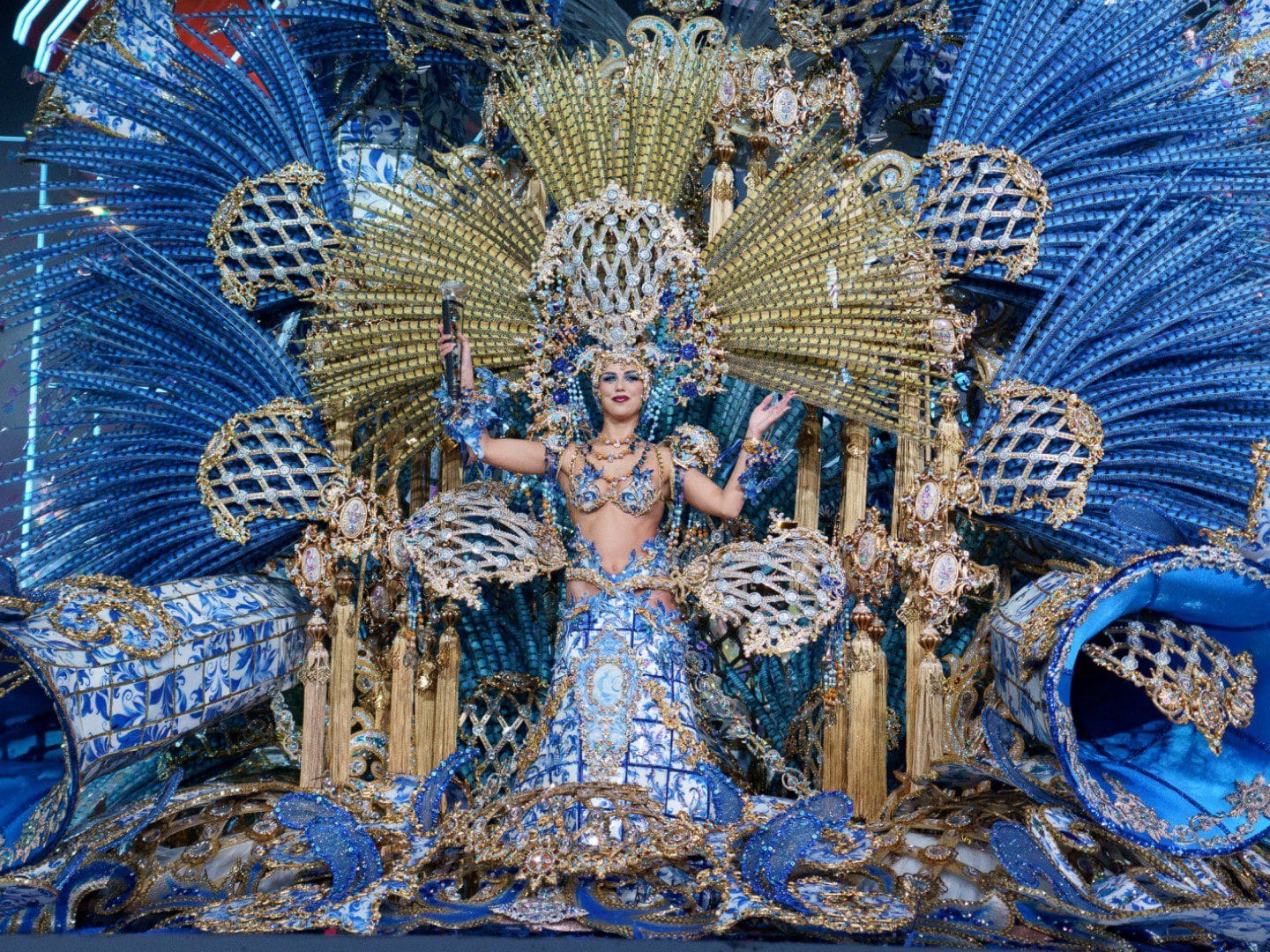
Carnival: the great festival of the Canary Islands
This event represents the most transgressive and joyful face of Canarian culture, attracting both locals and thousands of tourists.
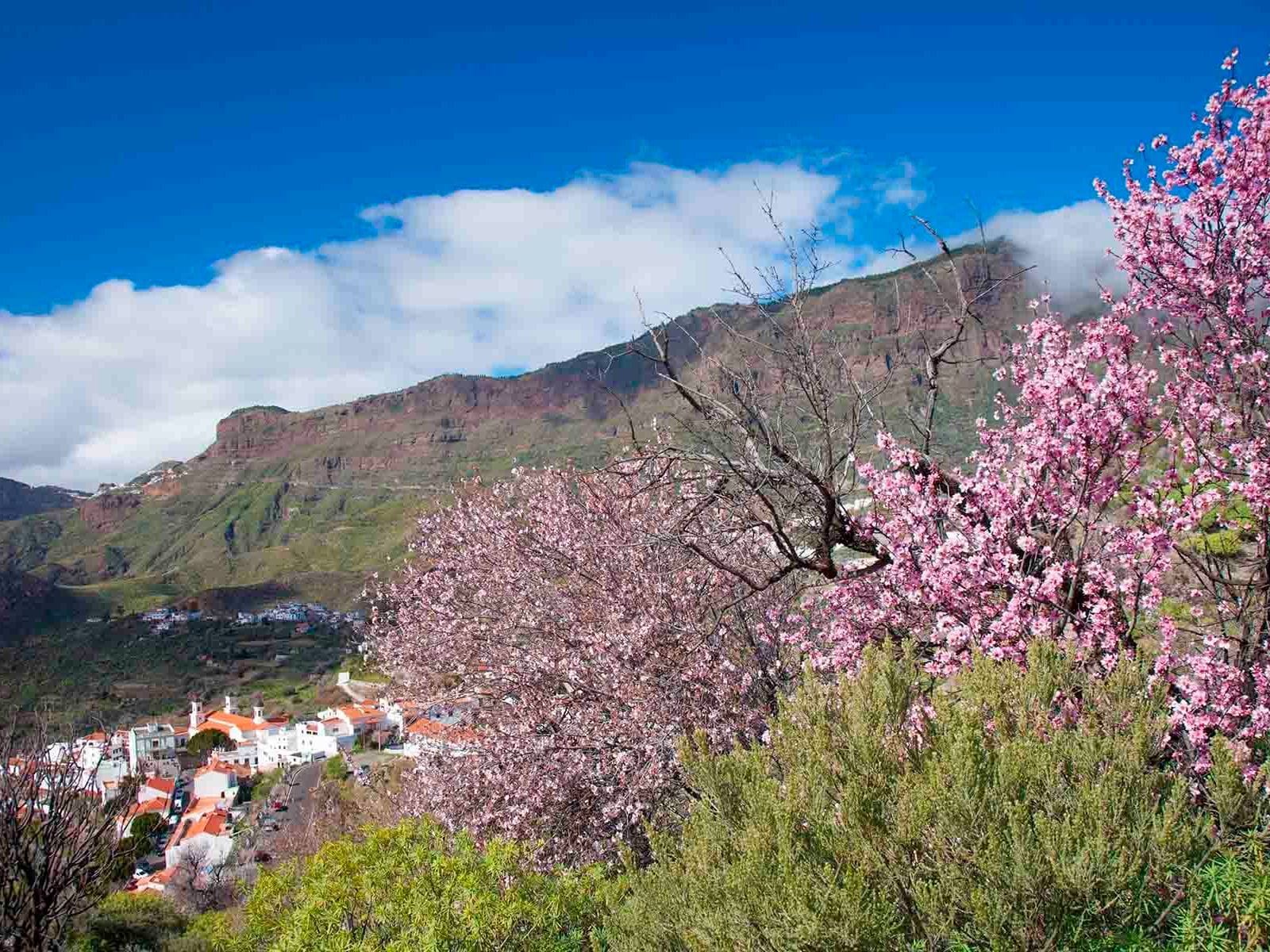
Popular festivals with local flavor
– Fiesta del Almendro en Flor ( Tejeda, Gran Canaria)
– Fiesta de San Andrés (Icod de los Vinos, Tenerife), where boards slide down steep streets.
These celebrations are perfect to discover the soul of the villages and their most authentic gastronomy.
6. The Guanche influence: ancestral footprint
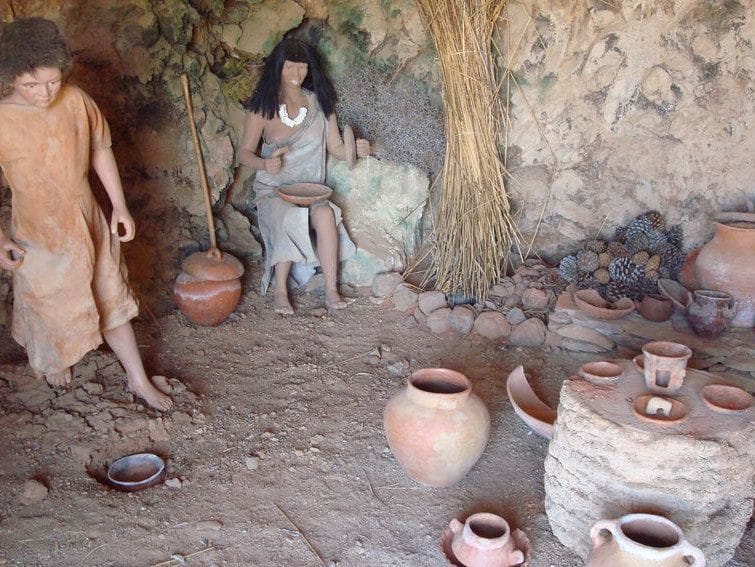
The Guanche culture, present before the Castilian conquest, left a deep imprint on the traditions, toponymy and customs of the Canary Islands. In this section, we explore how this ancestral legacy is still alive in the identity of the islands.
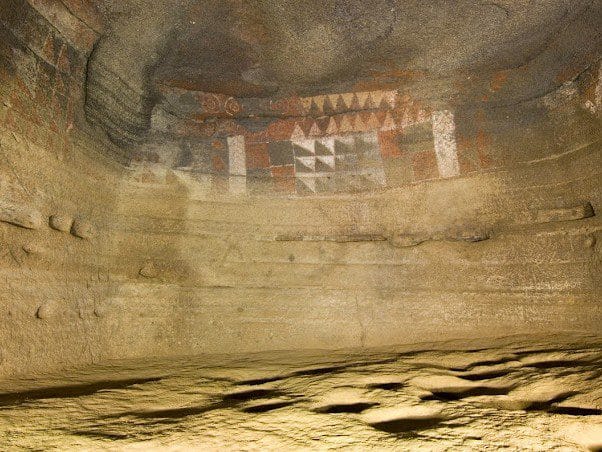
Sacred sites and living archeology
The ancient inhabitants left a fascinating material legacy: caves, cave engravings, remains of villages, and places considered sacred such as mountains and volcanoes.
Some essential sites:
– Cueva Pintada ( Gáldar)
– Montaña de Tindaya (Fuerteventura)
– Zonzamas (Lanzarote)
These enclaves allow us to better understand their worldview, their social organization and their relationship with nature.
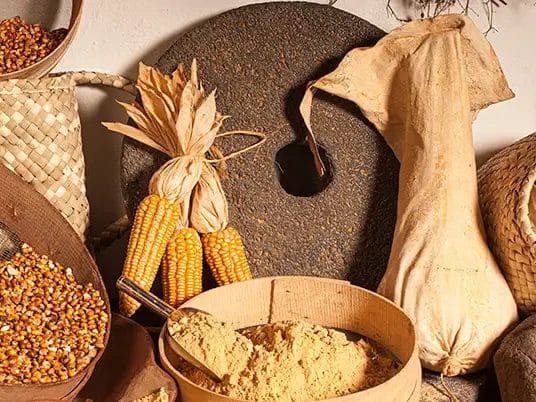
Legacy in everyday life
Despite colonization, many Guanche customs and words survived. Gofio, the toasted cereal flour, is the Guanche food par excellence and still forms an essential part of the Canarian diet. Guanche place names such as Tegueste, Adeje or Arrecife are also preserved.
Even certain agricultural rituals and the lunar calendar may have pre-Hispanic origins.
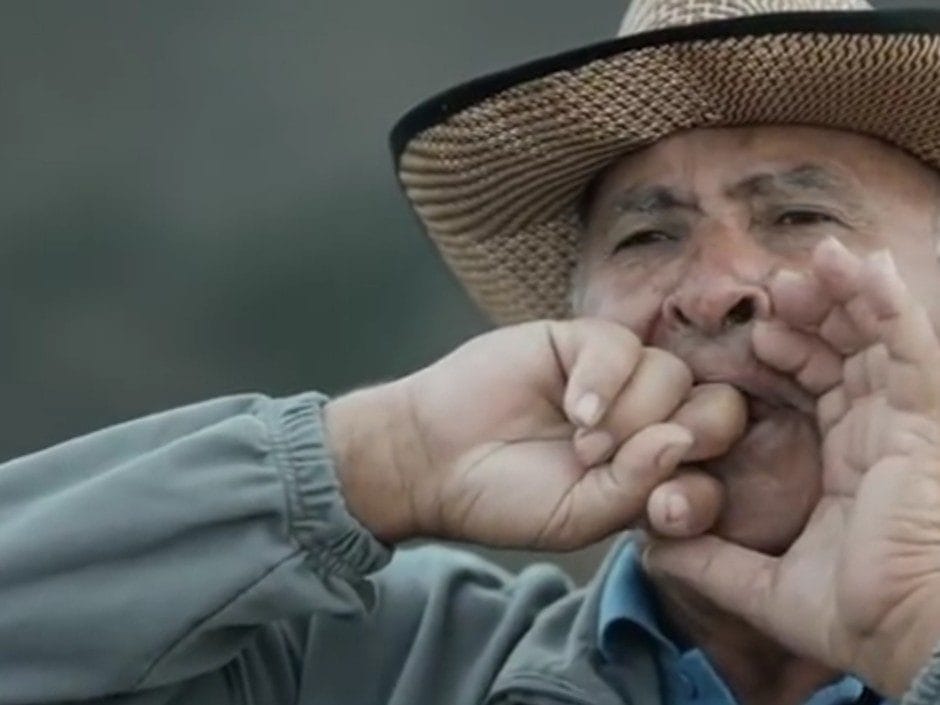
El Silbo Gomero: Intangible Heritage of Humanity
This whistled language, developed by the ancient inhabitants of La Gomera, has been recognized by UNESCO as cultural heritage. Today it is taught in schools and remains a living tool for communicating over long distances.
7. Typical Canarian expressions: this is how we speak in the islands.
Each island of the Canary archipelago has its own accent, rhythm and way of communicating, reflecting centuries of history, cultural mix and an identity marked by insularity.
Unique words and expressions
– “My child ” – affectionate way of referring to any person.
– “Estás empanao ” – you’re cl ueless
– “It’s cool ” – it’s cool, it’s cool.
– “Ños ” – expression of astonishment or admiration
Diminutives and affective appellatives are also widely used: “chiquitito”, “poquito”, “mi amor”.
Lexical inheritance from other cultures
– Guagua (bus) comes from the Caribbean
– Fufu (angry) has African roots.
– Magua (sadness) comes from the Portuguese
This linguistic crossbreeding gives the islands a cultural richness that can be felt even when speaking.
Phonetic and grammatical features
Exploring the Canary Islands is much more than enjoying unique landscapes and paradisiacal beaches. It is to immerse yourself in a living culture that combines ancestral traditions, architecture with soul, exciting festivals and a way of speaking that caresses the ear. From the pilgrimages to the "silbo gomero", through the flavors of gofio and expressions full of identity, every corner of the islands tells a story. Knowing the essence of the Canary Islands is also a way to travel deeper, with awakened senses and an open heart. Because the Canary Islands are not only visited: they are felt, lived and celebrated.