
The impossible green of Macaronesia: unique Atlantic forests
When one thinks of volcanic islands, one usually imagines black, arid and dry landscapes. However, something exceptional happens in Macaronesia: some of the oldest, densest and greenest forests in Europe survive in the middle of the Atlantic.
This “impossible green” is no accident. It is the result of a unique combination of volcanic origin, trade winds, ocean humidity and geographical isolation. In this entry
we compare the most representative forests of the Canary Islands, Azores, Madeira and Cape Verde, and explain why there are no equivalents on the European continent.
1. Why Macaronesia is a unique green haven in Europe
During the glaciations, a large part of Europe lost its rainforests. In contrast, the Macaronesian islands acted as climatic refuges, allowing prehistoric plant species to survive.
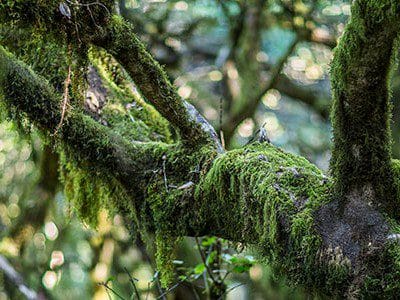
Factors that explain this phenomenon
Mild climate all year round
Constant Atlantic humidity
Volcanic reliefs that trap clouds
Isolation against major climatic changes
The result is a vegetation that does not belong to the present, but to a vanished Europe.
2. Canary Islands: the laurel forest of the Garajonay National Park.
In the Canary Islands, the maximum exponent of this ancestral green is found in Garajonay National Park, one of the best examples of laurel forest in the world.
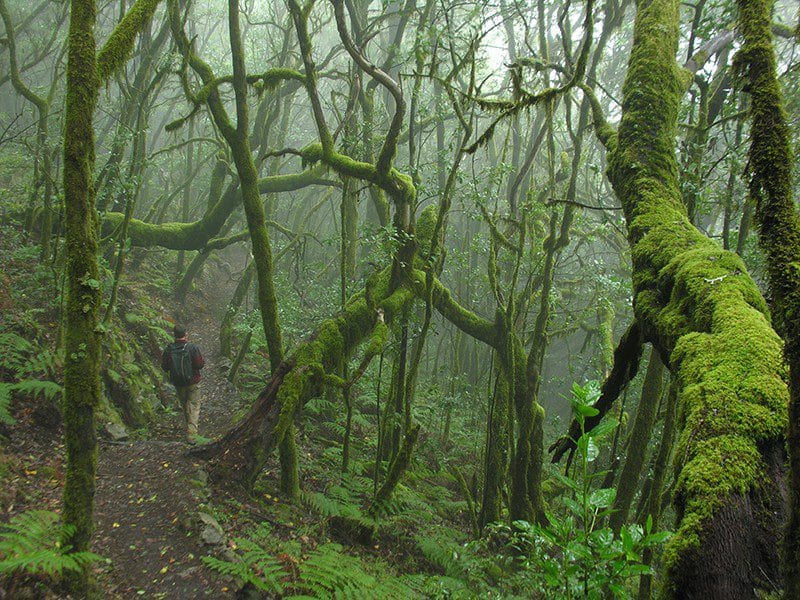
A forest before today's Europe
The laurel forest of the Canary Islands:
Tertiary relict
Lives shrouded in constant fog
It is home to unique endemic species
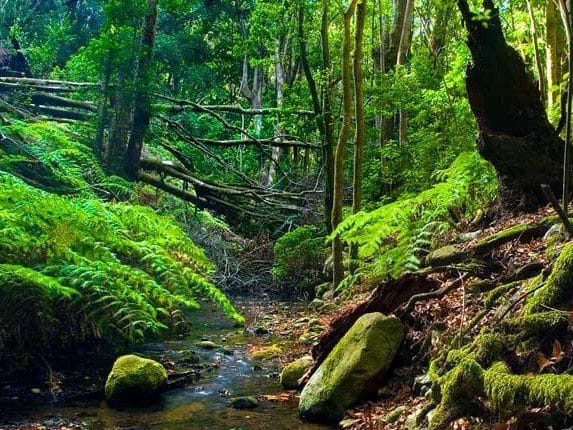
The role of the forest in the Canarian identity
These forests are not only landscape. They have influenced:
Terraced farming
Traditional water use
The rhythm of life on islands such as La Gomera
3. Azores: the green that rises from the water
If the Canary Islands is fog, the Azores is water. The island of Flores represents like few others the humid and exuberant character of the archipelago.
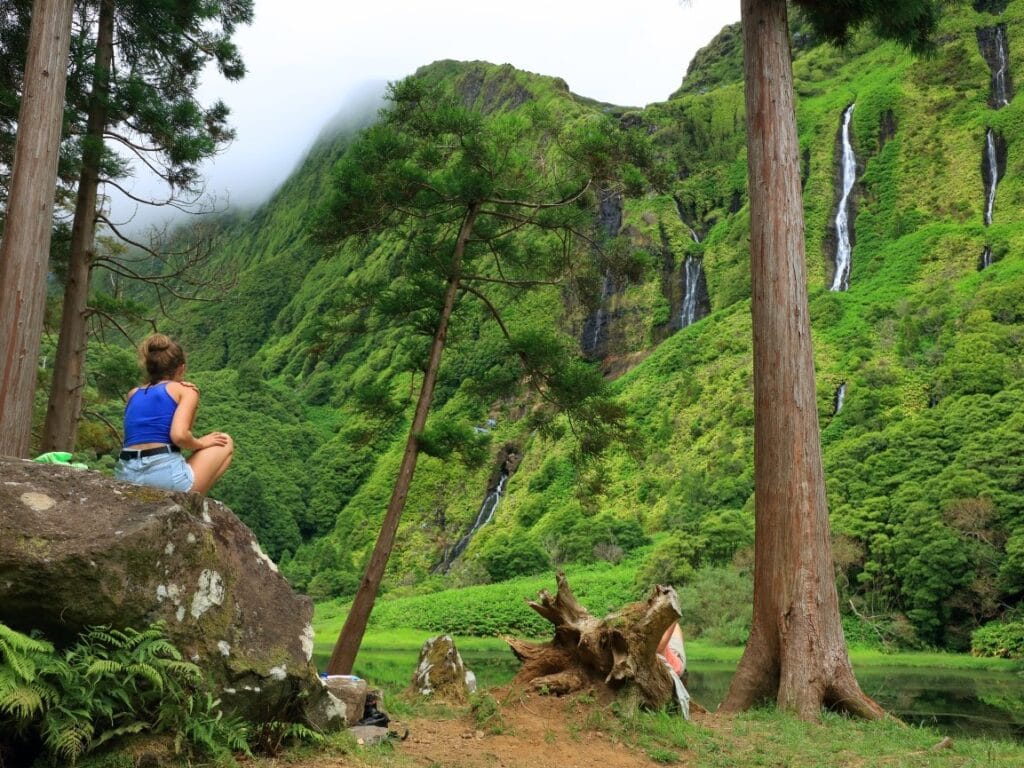
Waterfalls, moss and wild vegetation
In the Azores, the forest:
Grows next to permanent waterfalls
Covers volcanic craters
Merges with meadows and lagoons
Green is not decorative: it is dominant.
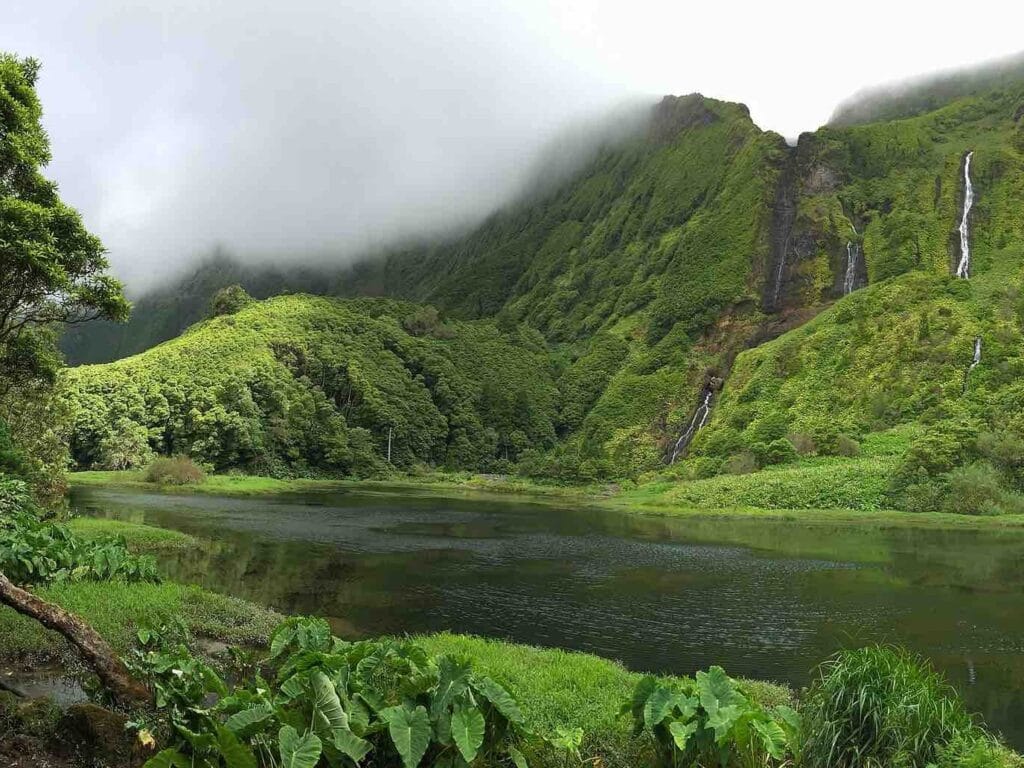
A living and expanding ecosystem
Thanks to low human pressure, many Azorean forest areas remain in natural balance, creating landscapes that look more Atlantic than European.
4. Madeira: the best-preserved laurel forest on the planet
Madeira is home to one of the most important natural treasures of Macaronesia: its laurel forest, declared a World Heritage Site.
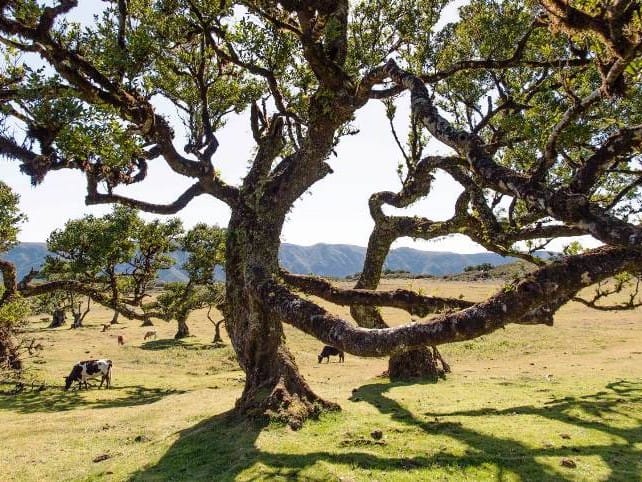
Fanal: the green heart of Madeira
The area of Fanal is one of the most iconic landscapes of the archipelago, with centennial trees shrouded in fog and silence.
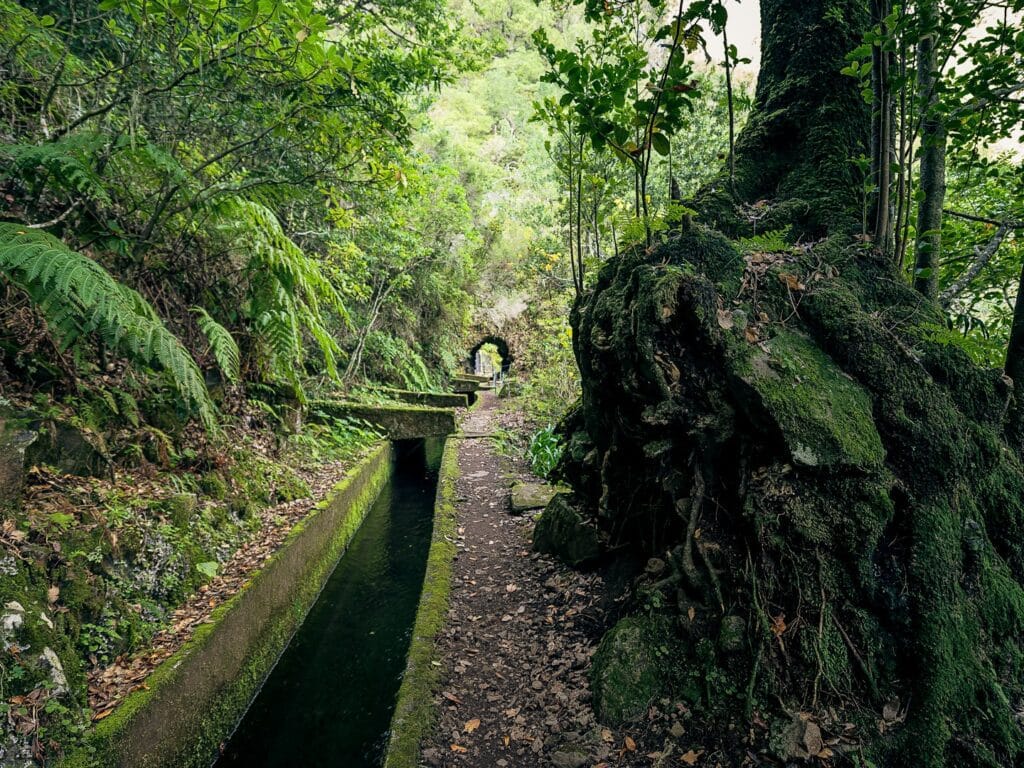
Why Madeira preserves its forest better
Less fragmentation
Historical protection
Extremely stable climate
The result is a virtually untouched forest, with no equivalent in Europe.
5. Cape Verde: the green that resists
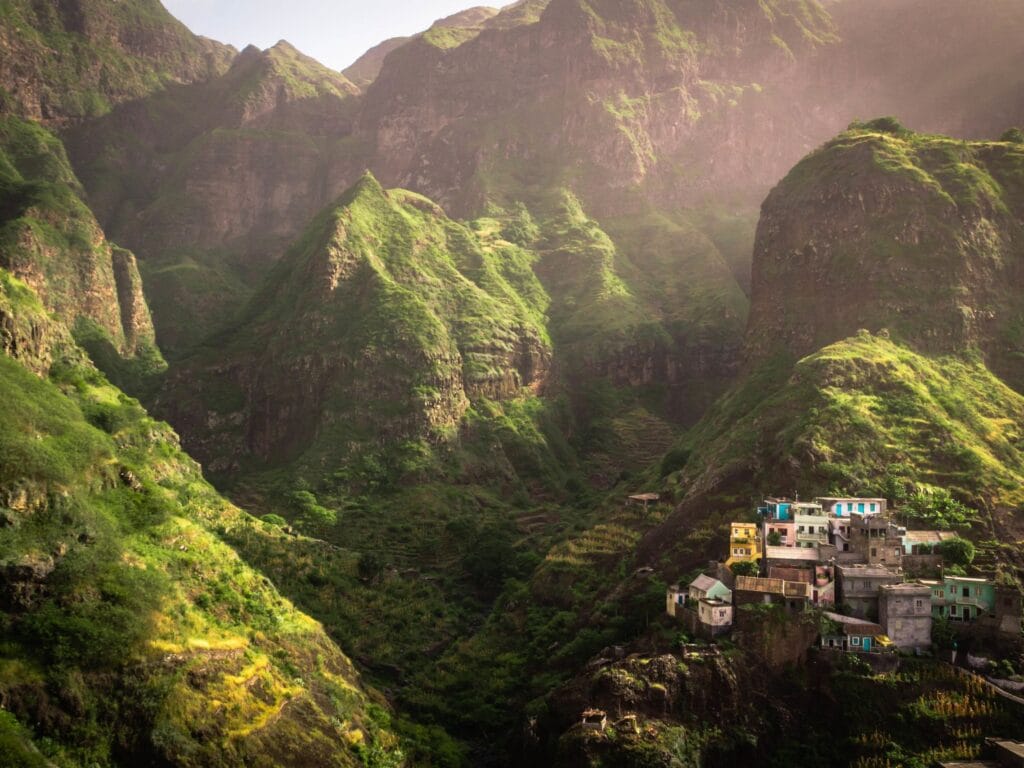
Cape Verde breaks the pattern. Here the green is scarce, but for that reason, more valuable. On islands like Santo Antão, vegetation appears where no one expects it.
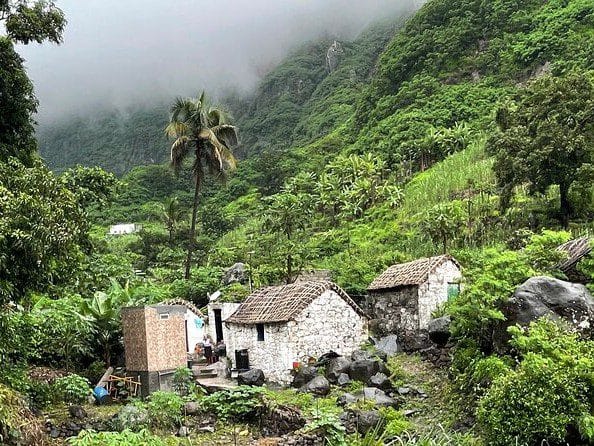
Fertile valleys in an arid archipelago
Thanks to the altitude and the humidity retained in the mountains, Santo Antão has:
Green agricultural valleys
Terrace cultivation
Surprising microclimates
Human adaptation to the environment
In Cape Verde, green is not abundance, it is resilience. Each fertile area is the result of extreme adaptation to the environment.